Top Fitness Trackers of 2026: Garmin, Google Fitbit, and More
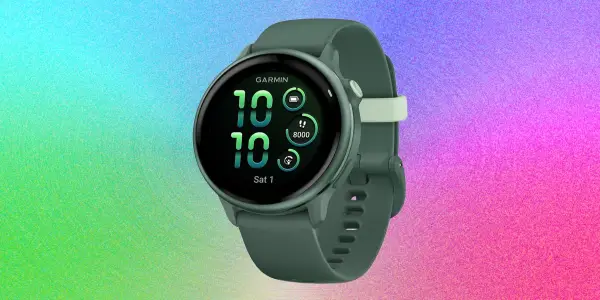
Explore the leading fitness trackers, smartwatches, and smart rings for activity and sleep monitoring in 2026.
In-depth analysis
Job market overview
The job market for health and fitness technology is experiencing robust growth as consumer interest in wearable devices rises. Companies are expanding their teams to innovate and improve product offerings, leading to increased demand for skilled professionals in software development, design, and marketing within the fitness tech sector.
Key career trends
A notable trend is the increasing integration of artificial intelligence in fitness devices, creating demand for professionals skilled in AI and data analytics. Additionally, there is a rising focus on user experience design to enhance customer satisfaction.
Advice for professionals
Professionals looking to enter the fitness technology field should prioritize gaining expertise in software development and data analysis. Networking within industry circles and staying updated on emerging technologies will also be crucial for career advancement in this rapidly evolving market.
Future opportunities
As health consciousness continues to grow, future opportunities in the fitness tech sector will likely expand. Innovations in AI, personalized health solutions, and improved user interfaces will create new roles and demand for diverse skill sets.
Did you know?
How this affects your career
The rise of sophisticated fitness wearables can significantly impact career trajectories in health and wellness industries. Professionals like personal trainers or health coaches may need to adapt their services, incorporating technology to enhance client engagement. Understanding wearable tech can set you apart in a crowded market, enabling tailored advice that resonates with tech-savvy clients.
What successful people don't say
Successful individuals in the fitness tech sector often downplay the importance of adaptability. The ability to pivot based on emerging trends, like the surge in health tracking devices, is crucial. They focus on real-time data interpretation rather than just the technology itself, emphasizing that success lies in how one leverages insights for tangible results.
How they achieved success
Take Sarah, a fitness coach who transformed her business by integrating technology. Initially hesitant about wearables, she embraced the Garmin Vivoactive 6 after noticing clients' improved engagement. By offering personalized analytics based on users’ data, Sarah not only enhanced workout efficiency but also built a loyal client base. She leveraged features like Body Battery to tailor recovery plans, demonstrating that success comes from adapting to new tools and prioritizing client needs. This shift not only elevated her business but also fostered a community around shared health goals.
Expert Commentary

Executives of Telehealth Company Found Guilty of...

Surge in Mortgage Repossessions Leaves Homeowners...

Exploring the Expanding Range of Find My...
High-Stakes Day Trading Gains Popularity Among...

Surge in AI Data Center Investments Reshapes the...

US Consumer Confidence Plummets to Lowest Point...

Top Black Friday Deals of 2025: Expert Picks and...

Elon Musk Joins the Conversation on Robotaxi...
Top Smartphone Deals to Consider Ahead of Cyber...

Apple TV's 'Pluribus' Embraces Innovative...

Michael Burry Closes Hedge Fund Amid Concerns...
Polar Loop: A New Contender in the Fitness...

Sam Altman and Jony Ive Collaborate on Innovative...

Insights into the Leaked US Draft Proposal for...

Tech Industry Faces Dramatic Shift: From AI...
Top Fitness Trackers of 2026: Garmin, Google...

U.S. Jobless Benefit Applications Decline to...

Arri to Shut Down Two Facilities as Cinema...
Amazon's CEO Clarifies Layoffs Not Linked to AI...

Apple Seeks Court Approval to Appeal Ruling in $1...

Examining the Stanford AI Hiring Study:...

UK Unemployment Rate Climbs to 5%, Marking...

Bagel Delivery Dispute Becomes Unlikely Corporate...

Anker Unveils Prime 25W MagSafe Charger: A...

Toyota's IMV Origin: A New Approach to Vehicle...

Dual Enrollment: Bridging the Gap Between High...

September Jobs Report Expected Amid Slowing...

Five Electric Vehicles Likely to Disappear Before...
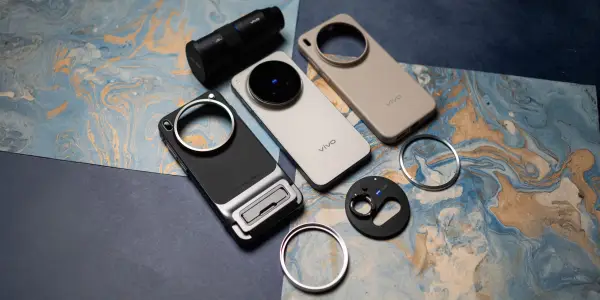
Vivo X300 Pro: The Pinnacle of Smartphone...

Top 5 AI and Tech Courses to Acquire High-Demand...

Bitcoin Experiences Significant Drop Amid Fed...
Figma's CEO Advocates for Hiring Young Talent...

Amazon's Job Cuts Spark Debate Over AI's Impact...

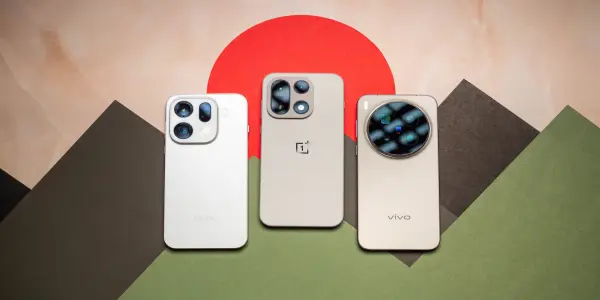
Top Smartphone Picks for Black Friday 2025 After...
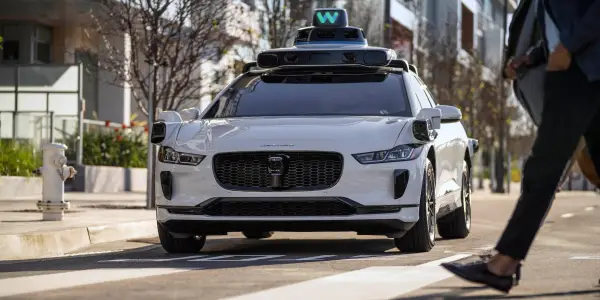
October Layoffs Mark the Worst Month for Job Cuts...

Rethinking Time Off: The Rise of Microretirement...

Enhancing Recruitment Strategies in the...

Rising Interest in Dark Web Employment Amidst...

UK Unemployment Rate Edges Up to 5.1%, Young...