The Tragic Intersection of Astrology and Grief: A Cautionary Tale
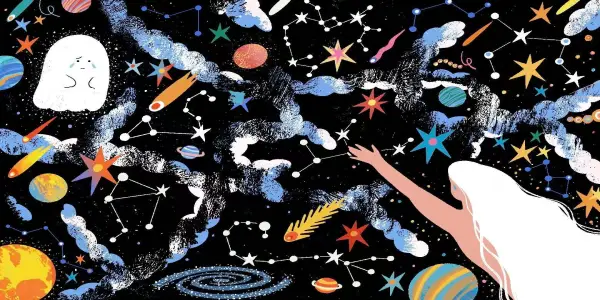
The story of actress Sally Snyder and her mother Linda Goodman raises questions about the impact of astrological beliefs on mental health.
In-depth analysis
Job market overview
The ongoing fascination with astrology has permeated various sectors, influencing hiring practices and workplace dynamics. Recent studies reveal a rise in astrological discrimination, where individuals face bias based on their zodiac signs, impacting their career prospects and opportunities across industries worldwide.
Key career trends
Astrology's resurgence has led to a notable trend in workplaces where astrological charts are consulted during recruitment. This growing inclination raises concerns about fairness and the potential for discrimination in hiring processes.
Advice for professionals
Professionals are encouraged to remain aware of the potential biases stemming from astrological beliefs within their industries. Cultivating a critical perspective on such practices can help mitigate discrimination and promote a more equitable work environment.
Future opportunities
As astrology continues to gain popularity, there may be emerging roles focused on astrological consultancy within HR and wellness sectors. However, balancing these interests with ethical considerations will be essential for sustainable growth.
Did you know?
How this affects your career
The intersection of astrology and career decisions is becoming increasingly relevant. As workplaces lean into personal branding and unique identities, understanding astrological biases might offer insights into hiring practices or team dynamics. Professionals may need to navigate these beliefs carefully, ensuring their skills and qualifications are recognized over potentially discriminatory astrological stereotypes.
What successful people don't say
Successful individuals often attribute their achievements to hard work and perseverance, neglecting the role of support systems and mental health. They rarely discuss the weight of personal beliefs—like astrology—that might have provided comfort or clarity during challenging times, leaving a gap in understanding the complexities behind their journeys.
How they achieved success
Linda Goodman’s success wasn’t merely due to her astrology books, but her ability to tap into the collective yearning for meaning. By blending personal anecdotes with astrological insights, she made her work relatable and accessible. For instance, her best-selling 'Sun Signs' resonated with readers seeking guidance, transforming astrology from niche to mainstream. Goodman's innovative marketing strategies, like public appearances and engaging with media, amplified her reach. However, her legacy also serves as a cautionary tale about the dangers of intertwining personal beliefs with reality, particularly in times of grief, as seen in the tragic story of her daughter Sally. Their intertwined narratives highlight both the allure and potential pitfalls of relying on astrology as a coping mechanism.
Expert Commentary

Executives of Telehealth Company Found Guilty of...

Surge in Mortgage Repossessions Leaves Homeowners...

Exploring the Expanding Range of Find My...
The Challenges of Lottery-Based Affordable Housing

Rising Economic Concerns Among Americans: Recent...

US Consumer Confidence Plummets to Lowest Point...
Top Black Friday Deals of 2025: Expert Picks and...

Elon Musk Joins the Conversation on Robotaxi...

Top Smartphone Deals to Consider Ahead of Cyber...

Apple TV's 'Pluribus' Embraces Innovative...

Michael Burry Closes Hedge Fund Amid Concerns...

Polar Loop: A New Contender in the Fitness...

Sam Altman and Jony Ive Collaborate on Innovative...

Insights into the Leaked US Draft Proposal for...

Tech Industry Faces Dramatic Shift: From AI...

Top Fitness Trackers of 2026: Garmin, Google...

UK Unemployment Rate Edges Up to 5.1%, Young...
Arri to Shut Down Two Facilities as Cinema...
Amazon's CEO Clarifies Layoffs Not Linked to AI...

Apple Seeks Court Approval to Appeal Ruling in $1...
Examining the Stanford AI Hiring Study:...

UK Unemployment Rate Climbs to 5%, Marking...

Bagel Delivery Dispute Becomes Unlikely Corporate...

Anker Unveils Prime 25W MagSafe Charger: A...

Toyota's IMV Origin: A New Approach to Vehicle...

Dual Enrollment: Bridging the Gap Between High...
September Jobs Report Expected Amid Slowing...

Five Electric Vehicles Likely to Disappear Before...

Vivo X300 Pro: The Pinnacle of Smartphone...

Top 5 AI and Tech Courses to Acquire High-Demand...

Bitcoin Experiences Significant Drop Amid Fed...
Figma's CEO Advocates for Hiring Young Talent...
Amazon's Job Cuts Spark Debate Over AI's Impact...

Top Smartphone Picks for Black Friday 2025 After...

October Layoffs Mark the Worst Month for Job Cuts...

Rethinking Time Off: The Rise of Microretirement...

Enhancing Recruitment Strategies in the...
High-Stakes Day Trading Gains Popularity Among...

The Paradox of Employee Turnover at Elite Firms