The Resurgence of Full QWERTY Keyboards in Mobile Technology

The revival of full QWERTY keyboards in mobile devices highlights a shift in user preferences as companies adapt to changing market demands.
In-depth analysis
Job market overview
The mobile technology job market is experiencing a dynamic shift as companies adapt to changing consumer preferences. The resurgence of full QWERTY keyboards indicates a demand for skilled professionals who can innovate in hardware and software development, catering to both traditional and modern user needs.
Key career trends
A notable trend is the increasing demand for expertise in hybrid device design, as companies seek to integrate tactile feedback with touchscreen technology. This area is becoming essential for professionals aiming to stay relevant.
Advice for professionals
Professionals in the mobile technology sector should focus on developing skills in user experience design and hybrid technology. Staying informed about consumer preferences will be crucial for creating products that resonate with both nostalgic and modern users.
Future opportunities
The future holds promising opportunities for innovation in mobile devices, particularly in merging traditional keyboards with advanced touchscreen interfaces. This could lead to new roles in product development and user experience research.
Did you know?
How this affects your career
The resurgence of full QWERTY keyboards could redefine productivity tools in the workplace. For professionals, this trend may signal a shift back to devices that enhance efficiency and comfort. Embracing this change might give an edge in communication-heavy roles, as tactile feedback can reduce errors and improve typing speed, ultimately impacting career performance and opportunities.
What successful people don't say
Successful professionals often highlight their innovative strategies, but they rarely discuss the importance of adaptability. Many have thrived not just by staying ahead of trends but by recognizing when to pivot back to traditional methods that resonate with users, proving that sometimes, looking back can be as vital as forging ahead.
How they achieved success
Take Emma, a marketing consultant who transitioned from a sleek touchscreen device back to a full QWERTY keyboard phone. Frustrated by constant typos and slow typing speeds during client calls, she found that the tactile feedback of physical keys improved her communication efficiency. By integrating this tool into her workflow, Emma not only regained confidence in her messaging but also impressed clients with her swift responses. This choice illustrates how understanding personal preferences and leveraging familiar technology can lead to enhanced performance and renewed success in a competitive field.
Expert Commentary

Employee Turns Dismissive Remarks into a...

Tech Industry Faces Dramatic Shift: From AI...

The Paradox of Employee Turnover at Elite Firms
September Jobs Report Set to Illuminate Economic...
Mark Cuban Advocates for New Graduates to...

Google's Career Dreamer: An Innovative Tool for...

Top Health Scandals of the Last Quarter-Century

Executives of Telehealth Company Found Guilty of...

Navigating 'Interview Ghosting': Essential...

The Rising Importance of Workplace Cleanliness in...

Sheffield Hallam University Faces Backlash Over...
September Jobs Report Expected Amid Slowing...

Apple Seeks Court Approval to Appeal Ruling in $1...

Michael Burry Closes Hedge Fund Amid Concerns...
Prusa 3D Printer Introduces Revolutionary...

Exploring the Essence of Christmas Markets: A...

Rising Interest in Dark Web Employment Amidst...

US Labor Market Shows Contradictory Signals Amid...

The Rise of AI-Generated Pets Among Influencers:...

Accelerate Your Career with CompTIA...

Surge in AI Data Center Investments Reshapes the...
Figma's CEO Advocates for Hiring Young Talent...

Affordable Smart Ring Transformed into Innovative...

Top 5 AI and Tech Courses to Acquire High-Demand...

Sandbar Launches Stream Ring: An AI-Powered Voice...

S&P 500 Sees Record Earnings Growth in Q3 2025,...
Mobile Technology Forecast for 2026: Anticipated...

The Transformative Role of AI in Modern Hiring...
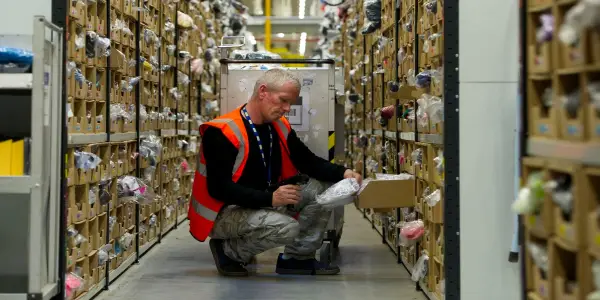
Amazon Considers Laying Off 30,000 Employees Amid...

Enhancing Recruitment Strategies in the...

October Layoffs Mark the Worst Month for Job Cuts...

Innovative DIY Powerwall Surpasses Commercial...
Understanding the Job Market: Key Insights for...

Is Tutoring a Baby to Become an 'English...

Insights into the Leaked US Draft Proposal for...

Polar Loop: A New Contender in the Fitness...

Viewing 'Good Fortune' at Home: What You Need to...

Apple Set to Regain Title of Largest Smartphone...

The Eilik Robot: A Playful Addition to Your...

Silicon Valley Startups: A Culture of Ethical...