Prusa 3D Printer Introduces Revolutionary Silicone Printing Technology
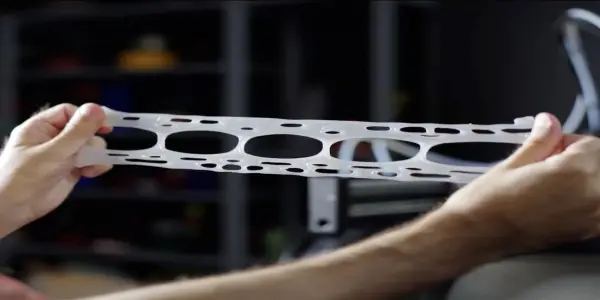
Prusa 3D Printer unveils groundbreaking silicone printing technology, enabling the creation of durable, industrial-grade silicone components from standard pr...
In-depth analysis
Job market overview
The introduction of Prusa's XL printhead signifies a transformative moment in the 3D printing job market. As industries adopt this technology, the demand for skilled professionals in design, engineering, and manufacturing is likely to increase. This shift may also create new roles focused on maintenance and operation of advanced 3D printing systems.
Key career trends
A notable trend is the growing intersection of 3D printing with sectors like automotive and healthcare, which require specialized knowledge in material science and design engineering. Professionals with expertise in these areas will be increasingly sought after.
Advice for professionals
To thrive in this evolving landscape, professionals should focus on enhancing their technical skills related to 3D printing technologies. Gaining experience with multi-material applications and understanding the properties of innovative materials like silicone will be crucial for career advancement.
Future opportunities
As the capabilities of 3D printing expand, opportunities in custom manufacturing and prototyping will grow. Industries will increasingly seek experts who can leverage these advancements to create functional components, paving the way for innovative applications in various fields.
Did you know?
How this affects your career
The introduction of Prusa's XL printhead significantly alters the landscape for professionals in design and manufacturing. Those in fields like automotive or medical device design can now leverage the ability to print functional silicone components. This means enhanced prototyping opportunities and the potential to reduce production costs, making it essential for career resilience to adapt and learn how to utilize this technology effectively.
What successful people don't say
Success in 3D printing innovation often hinges on a willingness to embrace complexity. While many celebrate breakthroughs, few acknowledge the trial and error that precedes them. Successful figures in this field prioritize experimentation and learning from failures, understanding that progress is rarely a straight path.
How they achieved success
Prusa's development of the XL printhead is not just a result of technical innovation but also strategic collaboration. By partnering with Filament2, they combined expertise from both organizations, enhancing the product's capabilities. The dual-filament system exemplifies a careful consideration of user needs, allowing seamless integration of silicone printing into existing workflows. Professionals like Maria, a product designer in the automotive sector, found early success by adopting this technology, enabling her to create prototypes that not only look good but also perform under real-world conditions. This shift has led to faster project turnarounds and greater customer satisfaction, showcasing how leveraging new tools can redefine success.

Google's Opportunity to Revitalize Fitbit with a...

Soundpeats Clip1 Review: Affordable Open Wireless...
Innovative DIY Powerwall Surpasses Commercial...
Framework CEO Warns of PC Industry Challenges...
Sandbar Launches Stream Ring: An AI-Powered Voice...

Viewing 'Good Fortune' at Home: What You Need to...

Amazon and Target's Job Cuts Highlight AI's...

October Layoffs Mark the Worst Month for Job Cuts...

Samsung Set to Unveil Its First Tri-Folding Phone...

Understanding Company Culture: Lessons from...

Insights into the Leaked US Draft Proposal for...

The Rise of AI-Generated Pets Among Influencers:...

Target's Layoffs Impact Broad Spectrum of...

Bill Gates Advocates for Robot Tax Amid Concerns...

U.S. Jobless Benefit Applications Decline to...

Toyota's IMV Origin: A New Approach to Vehicle...

UK Unemployment Rate Edges Up to 5.1%, Young...

Modern Shepherding: Earning Over $100,000...

Top Fitness Trackers of 2026: Garmin, Google...

Tether's USDT Downgraded to Lowest Rating by S&P...

YouTube TV Secures ESPN Unlimited, But Baseball...

Flight Cancellations Surge Amid Ongoing...

Surge in Mortgage Repossessions Leaves Homeowners...

Arri to Shut Down Two Facilities as Cinema...

Exploring the Essence of Christmas Markets: A...
Figma's CEO Advocates for Hiring Young Talent...

Garmin Set to Launch Vivosmart 6, Promising...

The Paradox of Employee Turnover at Elite Firms

US Consumer Confidence Plummets to Lowest Point...

Tech Industry Faces Dramatic Shift: From AI...

Essential Skills for High-Paying Project...

Navigating 'Interview Ghosting': Essential...

The Reality Behind Viral Success: Women...

Surge in AI Data Center Investments Reshapes the...

Elon Musk Joins the Conversation on Robotaxi...

US Labor Market Shows Contradictory Signals Amid...
Understanding the Job Market: Key Insights for...

Strategies for Job Security Amid Ongoing Layoffs

Accelerate Your Career with CompTIA...

Exploring the Expanding Range of Find My...