Testing Incident Raises Concerns for Next-Generation Starship Booster
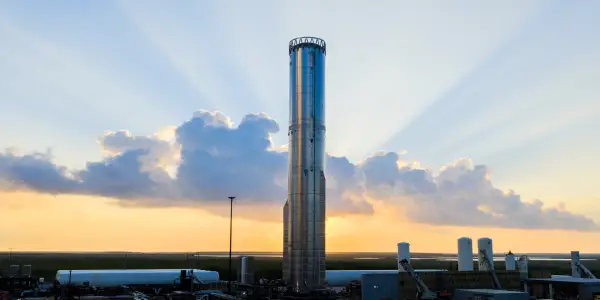
A recent testing incident has damaged SpaceX's next-gen Starship Super Heavy booster, raising concerns about its development timeline and future launch prosp...
In-depth analysis
How the technology works
The Super Heavy booster is engineered to withstand extreme gas pressures, a vital characteristic for its role in launching the Starship spacecraft. During testing, the booster underwent rigorous evaluations of its gas system, designed to ensure operational safety and performance. However, a rupture in its lower section during these evaluations has raised concerns about its reliability.
Why this innovation matters
The Starship program is pivotal for future space exploration, particularly in enabling interplanetary travel and supporting missions like NASA's Artemis lunar program. Its development could revolutionize space logistics and satellite deployment.
Who is affected
SpaceX employees, stakeholders in the aerospace industry, and government agencies involved in space exploration are directly impacted by the challenges faced in the Starship program. Additionally, the broader scientific community and commercial satellite operators are watching closely as the program's success could influence their future endeavors.
What could come next
In response to the recent setback, SpaceX is focusing on refining the Starship V3 design, with plans to initiate further testing shortly. This proactive approach aims to keep the Artemis program on track and enhance the vehicle's capabilities for future missions.
Did you know?
How this will change your life
The setbacks in SpaceX's Starship program may delay significant advancements in space travel that could impact everyday life. For instance, plans for launching larger Starlink satellites could affect global internet access, improving connectivity for remote areas. Additionally, progress in lunar missions can pave the way for technologies that enhance Earth-based industries, like telecommunications and energy, ultimately influencing how people live and work.
The tech secret
One lesser-known aspect of the Starship’s design is its hot-staging technique, which allows the rocket’s second stage to ignite its engines while still attached to the first stage. This innovation minimizes fuel loss and maximizes efficiency, a key factor for future missions that require precision and power for interplanetary travel.
The human behind the innovation
Kiko Dontchev, Vice President of SpaceX, has been a pivotal figure in the Starship program. With a background in engineering and a passion for space exploration, he once spent summers stargazing at his family’s cabin in rural Colorado. This childhood fascination translates into his current work, as he drives efforts to enhance the Starship's design and performance. His commitment to innovation is evident in his approach to setbacks, viewing them as learning opportunities to propel the program forward. Under his leadership, SpaceX aims to ensure that the next iteration of the Starship not only meets ambitious timelines but also sets new standards in aerospace technology.
Roku Introduces Major Platform Upgrades with AI...
Pixel 10 Users Share Mixed Reviews After One...
Target and Walmart Confirm Continued Support for...
Bungie Removes Controversial Unstable Cores from...

Croc Legend of the Gobbos: Platinum Edition...

Behind the Development of Metroid Prime: Insights...

Microsoft Tightens Security on IE Mode Following...

Deadline Approaches for Windows 10 Users: How to...
December 2025 Google System Updates: Key...

Comparing the Best in Headphones: Bose QC Ultra...
Google Unveils Quantum Echoes Algorithm,...

Google Warns Against Creating 'Bite-Sized'...

Exploring the Multiple Endings of The Outer...
Microsoft Reimagines AI Integration in Windows...
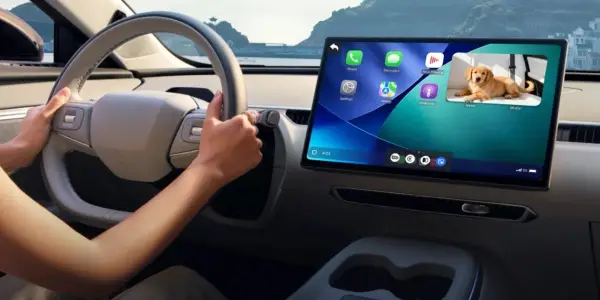
Ottocast Unveils Innovative CarPlay AI Box and...
Apple's M5 Chip Significantly Enhances Local LLM...

Sony Moves to Halt Fan-Led Revival of Concord...
Valve Teases New Half-Life Content Amid Fan...

Lenovo's CEO Addresses AI Concerns at CES,...

Comprehensive Guide to Unlocking Weapons in...

CD Projekt Red Aims for Three Witcher Sequels in...

Ultramarathoner Kevin Humphrey Battles Stage IV...
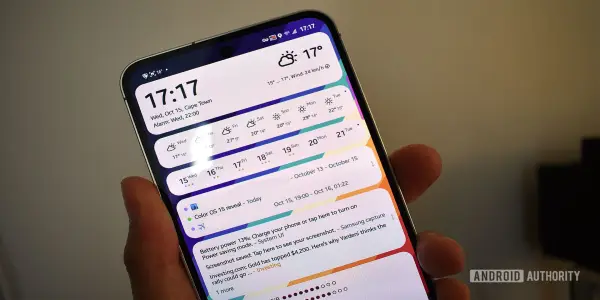
AIO Launcher: A Widget-Centric Alternative for...

Scuf Valor Pro Wireless Controller: A...

Celebrating Nintendo: The Top 100 Games of All...

T-Mobile to Introduce Charges for Apple TV Perk...

Speculation Grows Around Possible Half-Life 3...

LG B5 65-Inch 4K OLED TV Available at Black...

Top Android Phones to Avoid in 2025 and...

Destiny 2 Faces Significant Player Decline: A...

Battlefield 6 Movement Debate: Bridging the Gap...
Google Enhances Cameyo to Streamline Windows App...
Microsoft Urges Immediate Windows Updates Amid...
Apple's iOS 26.2 Beta Introduces Option for...

Revitalize Your Old PlayStation 2: A Guide to...

Apple Unveils New Features in iOS 26.2 Beta 3

Top Headphones for Audiophiles: Insights from...
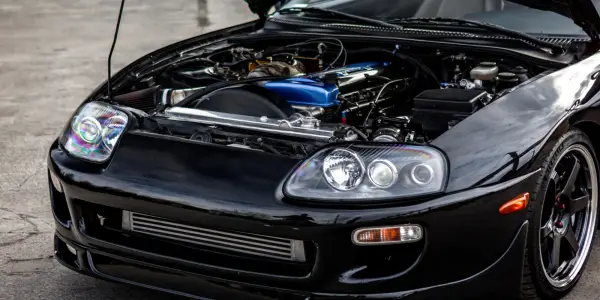
Four Surprising Vehicles Equipped with Toyota's...

Essential USB-Compatible Gadgets to Enhance Your...

Tim Cook Hints at Commemorative Plans for Apple's...