Behind the Development of Metroid Prime: Insights from Nintendo Producer
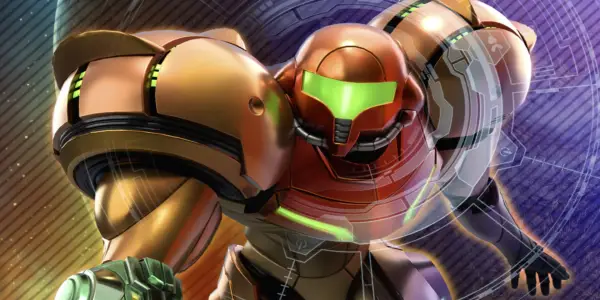
A new visual retrospective sheds light on the collaborative yet contentious relationship between Retro Studios and Nintendo during the creation of the iconic Metroid Prime trilogy.
In-depth analysis
How the technology works
The technology behind the Metroid Prime series centers on advanced game design techniques that blend first-person and third-person perspectives. Retro Studios introduced features like the Morph Ball mechanic, allowing seamless transitions and innovative gameplay elements, which were rigorously tested to ensure functionality and enhance player experience, ultimately pushing the boundaries of traditional gaming mechanics.
Why this innovation matters
This innovation is significant as it exemplifies the successful fusion of differing design philosophies, showcasing how collaboration can yield groundbreaking gameplay experiences that elevate industry standards.
Who is affected
The collaboration between Retro Studios and Nintendo impacts a wide range of stakeholders, including game developers who can learn from these interactions, players who experience enhanced gameplay, and the broader gaming industry that benefits from elevated design standards and innovative mechanics.
What could come next
Looking ahead, the gaming industry may see further integration of diverse design philosophies, leading to more innovative gameplay experiences. This evolution could inspire new collaborations that challenge traditional norms and redefine player engagement.
Did you know?
How this will change your life
The release of 'Metro: A Visual Retrospective' offers gamers a deeper appreciation for the Metroid Prime series, illuminating the behind-the-scenes struggles that shaped its iconic gameplay. For players, this insight can enhance the experience of revisiting these titles, fostering a greater connection to the characters and mechanics. Understanding the creative tensions that led to innovations like the Morph Ball can transform how individuals engage with the game, making each session feel more meaningful and informed.
The tech secret
While many gamers admire the Morph Ball mechanic, few know that its final design emerged from intense negotiations between Retro Studios and Nintendo. The decision to keep the morphing animation was not just an aesthetic choice; it represented a fundamental clash of design philosophies, with Retro advocating for player efficiency and Nintendo emphasizing character presentation.
The human behind the innovation
Kensuke Tanabe, who has been at the forefront of the Metroid series, has a surprising background that connects him deeply to the franchise. Growing up in a small town in Japan, he spent countless hours playing video games, especially those featuring strong female protagonists. This personal connection fueled his passion for ensuring that Samus Aran was portrayed with depth and respect. Tanabe recalls a pivotal moment during development when Retro's team presented the idea of the Morph Ball. The excitement in the room reflected not just a professional collaboration but a shared love for pushing the boundaries of gaming. His commitment to fostering dialogue across cultures not only shaped Metroid Prime but also paved the way for future collaborations within the gaming industry.
Expert Commentary

Microsoft Unveils AI-Powered Photo Grouping...
Apple's M5 Chip Significantly Enhances Local LLM...

Weekly Cybersecurity Update: Active WSUS...
Roku Introduces Major Platform Upgrades with AI...
Excitement Builds for Metroid Prime 4 After...
Urgent Microsoft Security Update Required for...

American Airlines Expands Digital Options with...
Scuf Valor Pro Wireless Controller: A...

Google Rolls Out Android 16 Part Two Update for...
Discover 10 Lesser-Known Free Android Apps Worth...

Clair Obscur Expedition 33: A Reflection on...

Microsoft Addresses Security Flaw in Copilot AI...
Apple's iOS 26.2 Beta Introduces Option for...
Fujifilm X-T30 III receives its very first...

Destiny 2 Faces Significant Player Decline: A...
Microsoft Reimagines AI Integration in Windows...

Intermittent Calorie Restriction Linked to...

Croc Legend of the Gobbos: Platinum Edition...
Exploring the Multiple Endings of The Outer...
Glen Schofield Calls for Overhaul in Gaming...

December 2025 Google System Updates: Key...

Ottocast Unveils Innovative CarPlay AI Box and...

Exclusive Screenshots of Rare's Everwild Surface,...

Apple Hints at Upcoming MacBook Pro Launch Amid...

Google Unveils Quantum Echoes Algorithm,...

Deadline Approaches for Windows 10 Users: How to...

Sucker Punch Studios Weighs Next Project: A...

Puma Unveils Limited Edition Sonic the Hedgehog...

Tim Cook Hints at Commemorative Plans for Apple's...
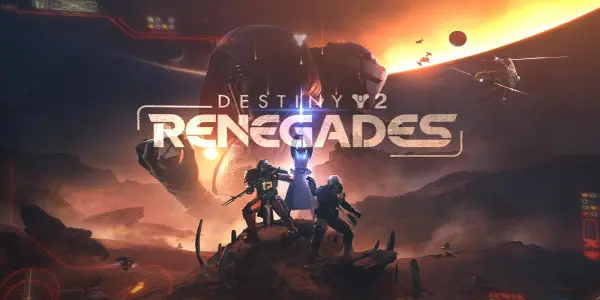
Destiny 2's Renegades Expansion Trailer Leaks...
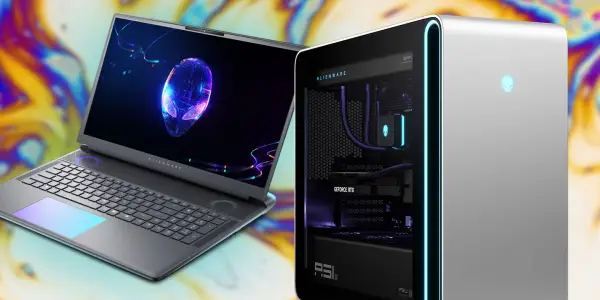
Alienware Kicks Off Early Black Friday Sale with...

Even Realities Introduces G2 Smart Glasses with...
Google Enhances Cameyo to Streamline Windows App...
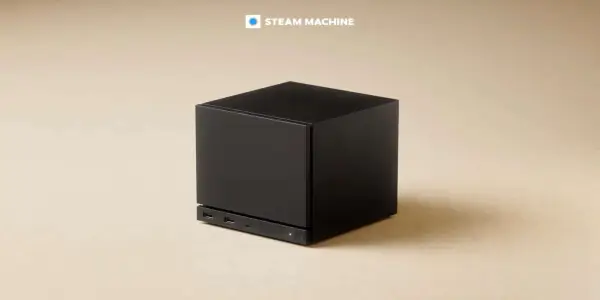
Valve's Steam Machine: A Potential Game Changer...

Valve Teases New Half-Life Content Amid Fan...
Upcoming amiibo Releases for 2025–2026: Mario...
Transform Your Workspace with the D-Line Cable...
Nintendo Switch 2 and Original Switch Receive...

Four Surprising Vehicles Equipped with Toyota's...
Pixel 10 Users Share Mixed Reviews After One...