New Wave of Sha1-Hulud Attacks Compromises Over 25,000 Repositories via npm, Targeting Cloud Credentials
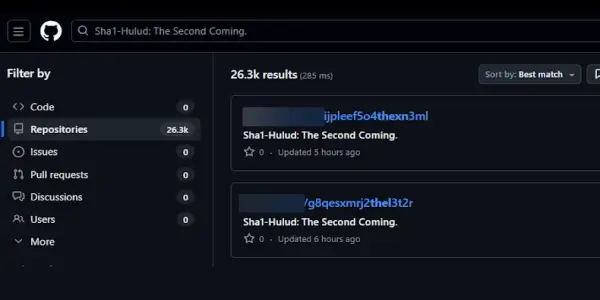
Security experts warn that the Sha1-Hulud campaign has infiltrated more than 25,000 GitHub repositories through malicious npm packages, endangering cloud credentials and potentially erasing developers' home directories.
In-depth analysis
Market overview
The recent Sha1-Hulud cyberattacks have significantly impacted the software development landscape, compromising over 25,000 GitHub repositories. By exploiting vulnerabilities in npm packages, the attacks have raised concerns among security experts and developers alike, highlighting the vulnerabilities within the software supply chain and the increasing sophistication of cyber threats in the tech industry.
Key business trends
The escalation of supply chain attacks, particularly through the Sha1-Hulud campaign, indicates a growing trend where attackers increasingly target trusted platforms to inject malicious code, posing heightened risks to software development.
Impact on companies
Companies are facing increased pressure to bolster their cybersecurity measures in light of the Sha1-Hulud attacks. The need for comprehensive security audits, immediate package remediation, and credential rotation has become paramount to safeguard sensitive information and maintain operational integrity.
Future projections
As cyber threats evolve, companies can expect more sophisticated attacks targeting software supply chains. Ongoing vigilance and enhanced security protocols will be essential to mitigate risks and protect against potential data breaches and operational disruptions.
Did you know?
What this means for your wallet
For developers and companies relying on npm packages, the Sha1-Hulud attacks could translate into significant financial losses. The cost of recovering from data breaches—including downtime, system repairs, and potential legal ramifications—can escalate quickly. As security measures tighten, organizations might also face increased expenses for enhanced security solutions and training, impacting budgets across the tech sector.
What analysts aren't telling you
Many analysts overlook that the Sha1-Hulud attacks have a unique ability to target cross-platform vulnerabilities. This means that even if a developer is using a secure environment, the malware can still exploit weaknesses in dependencies, making it a pervasive threat across different operating systems.
One person's journey
Marcus, 34, from Chicago, is a freelance developer who recently faced a nightmare scenario when his project was compromised by the Sha1-Hulud attack. After integrating a popular npm package, he discovered that malicious code had been injected, leading to a breach of sensitive client data. The fallout was devastating; not only did he lose the project, but he also faced the wrath of his client, who had trusted him with their information. With a reputation on the line, Marcus spent countless hours rectifying the damage, learning painful lessons about supply chain security. This experience has since turned him into a vocal advocate for robust security practices in the development community.

December 2025 SSI Payment Schedule Confirmed by...

Michael Burry Takes Bearish Position on Nvidia...

McLean Resident Sentenced to Nearly Two Years for...

Netflix Launches 10-for-1 Stock Split Amid...

Intel CEO Stands By Former TSMC Executive Amid...


Jim Beam Suspends Production at Key Kentucky...

Former Hospital Executive Accused of...

Transportation Secretary Duffy's Dress Code...

Extended Cyber Monday Offers Still Available: Top...

Starbucks Faces Labor Strikes Amid Turnaround...

Job Cuts at Amazon and T-Mobile Impact Bellevue's...

Zipcar to Cease UK Operations Amid Operational...

The Uncertain Fate of the Trump Phone: Delays and...

Michael Dell Highlights Key Aspects of Elon...

Amazon Announces 700 Job Cuts in New York City...

Oil Prices Plummet as Stock Markets Rally Amid...

Anthropic Unveils Enhanced Opus 4.5 Model,...

Westinghouse Announces Ambitious Nuclear Reactor...

Governor Barr Addresses Banking Supervision...

Pennsylvania Electric Rates Set to Rise December 1

Do Kwon Sentenced to 15 Years for Role in $40...

New State Laws Enhance Transparency Around AI Use...

Moltbook Database Vulnerability Exposes AI Agents...

Roblox Enhances Child Safety by Blocking Adult...

CISA and NSA Urge Immediate Action to Secure WSUS...

Microsoft's Strategic Bet on OpenAI: A Risky Move...

Optimal Locations for Future US Data Centers...

Palantir's CEO Defends Company Against...

Google Introduces Gemini 3 AI Model and...

Analyst Highlights Palantir as a Leader in...

Proposed Bill Aims to Increase Social Security...

Fact Check: Trump's Misstatements on Inflation...

Verizon Announces Major Workforce Reductions,...

MacKenzie Scott's Philanthropic Impact: Over $19...

Cautionary Insights from Billionaire Entrepreneur...

Campbell's Dismisses Executive Following...

Amazon Thwarts 1,800 Job Applications Linked to...

AMD, Cisco, and HUMAIN Launch Joint Venture to...

Lutnick Brothers Capitalize on Data Center Boom...