Three Factors Behind Potentially Inflated Demand for 2026 World Cup Tickets

Explore the rising concerns over inflated demand for 2026 World Cup tickets as speculation and resale prices surge amid a highly competitive lottery for fans.
In-depth analysis
Match results
The ticket lottery for the 2026 FIFA World Cup has seen approximately four million applicants, yet only a small percentage will secure tickets. The surge in demand has led to concerning resale price reports, indicating a speculative market rather than genuine fan interest.
Player stats
While specific player statistics are not available, the excitement surrounding the upcoming World Cup suggests a keen interest in both established stars and emerging talents, particularly from nations that may qualify for the first time.
Team performance
The tournament will showcase a mix of established footballing nations and newcomers like Jordan and Benin. The varying levels of fan engagement could impact ticket sales, especially for matches involving less recognized teams.
Upcoming matches
As the World Cup approaches, ticket sales will be staggered following the December draw. This strategic timing is expected to influence demand based on matchups, particularly for games featuring popular teams.
Did you know?
Why this match is decisive
The upcoming FIFA World Cup is more than just a sporting event; it reflects a cultural moment as soccer becomes a significant part of North American life. With millions vying for tickets, the frenzy highlights how deeply fans connect with the sport. The outcome of this ticket demand could reshuffle how future events are marketed and experienced, impacting everything from local economies to community identity.
What stats won't tell you
While the 1994 World Cup set a record for attendance, it’s lesser-known that a significant portion of the tickets sold then were obtained through grassroots campaigns, reflecting local engagement. In contrast, the current ticket rush is largely driven by speculative buying, altering the demographic of who actually gets to enjoy the matches.
A little fan's big dream
Marcus, 34, from Chicago, has been a soccer fan since childhood. Growing up, he watched every World Cup with his father, who instilled a love for the game in him. After years of intense training, Marcus now coaches youth soccer and dreams of taking a team to the World Cup. His biggest hope? To finally witness a match live, sharing that experience with his own son, just like his father did with him. The ticket lottery gives him a glimmer of hope, but the thought of inflated prices and speculative sales casts a shadow over his dream.
Expert Commentary
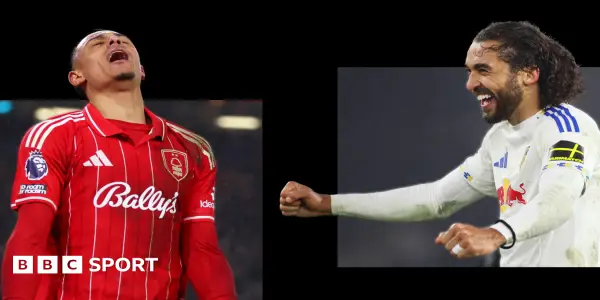
Leeds Secures Vital Win Against Nottingham...

Belfast to Host Euro 2028 Qualifying Draw in a...

Real Madrid Set to Face Bayern Munich in...

Kevin Hart's World Cup Draw Performance Sparks...
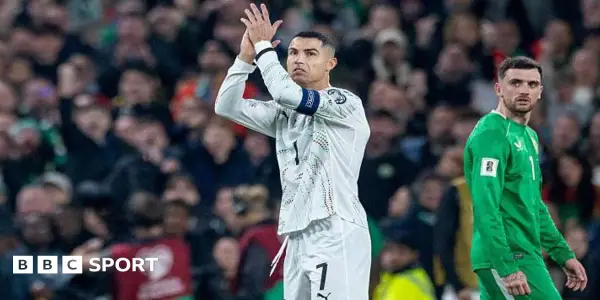
FIFA Reduces Ronaldo's World Cup Ban: A Closer...
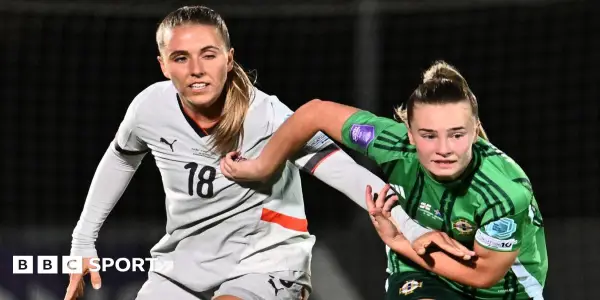
Heavy Snow Forces Postponement of Nations League...
Arsenal Dominates Bayern Munich with Convincing...

Max Dowman Makes History as Arsenal's Youngest...
Hydration Breaks Implemented for All Matches at...
From Small Towns to World Champions: The Historic...
Germany and Netherlands Secure World Cup 2026...

Chaos Erupts as Fans React to Messi's Early...
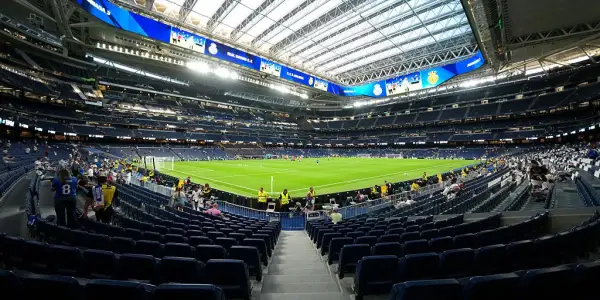
Spain Expected to Host 2030 World Cup Final, Says...
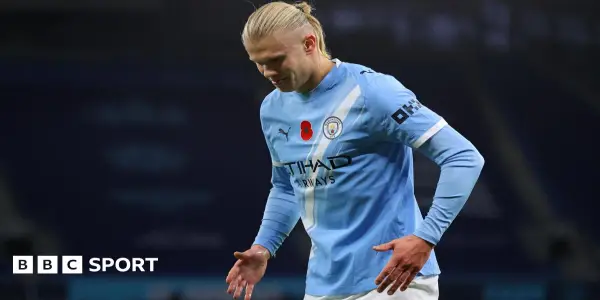
Erling Haaland Shines Again as Manchester City...
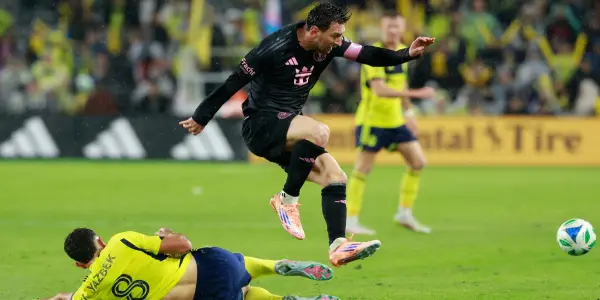
Nashville SC Defeats Inter Miami, Forces Decisive...
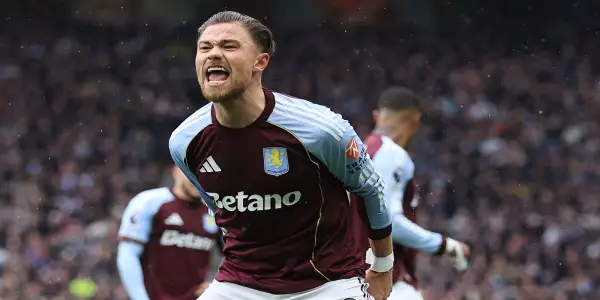
Aston Villa Claims Victory Over Manchester City...
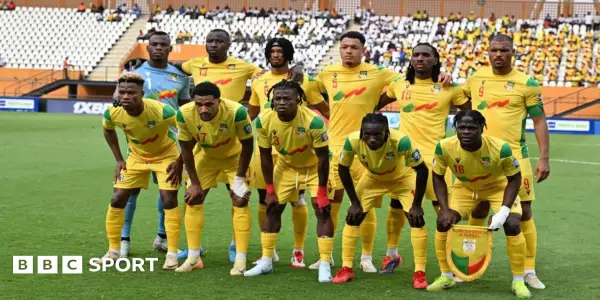
Benin Aims for Redemption at Afcon Following...

Barcelona Pursues Rashford and Kane as Transfer...
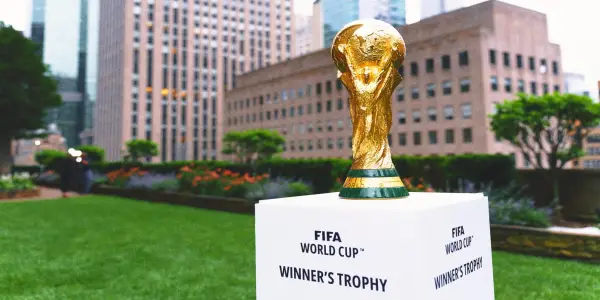
FIFA to Conduct Draws for 2026 World Cup...
Chelsea's Draw with Barcelona Highlights Missed...
Wrexham Stuns Nottingham Forest in FA Cup Upset

Scotland's World Cup Hopes Revived by Belarus...
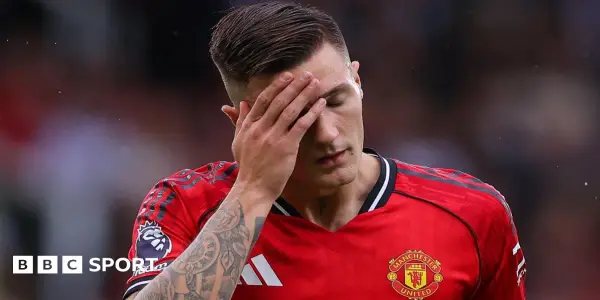
Manchester United's Benjamin Sesko Faces...
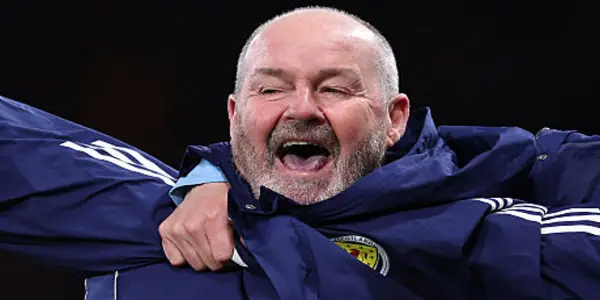
Scotland's World Cup Triumph Brings Joy to Clarke...

Oliver Glasner's Frustration Sparks Debate Over...

North America Set to Host the 2026 FIFA World...
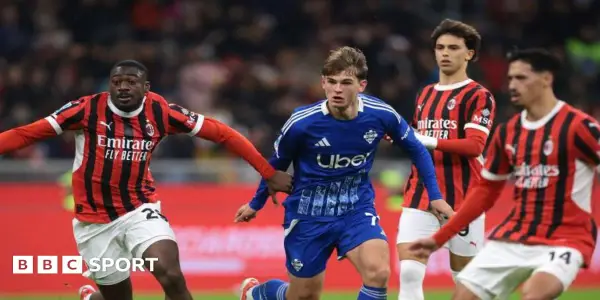
AC Milan vs. Como Match in Australia Cancelled...
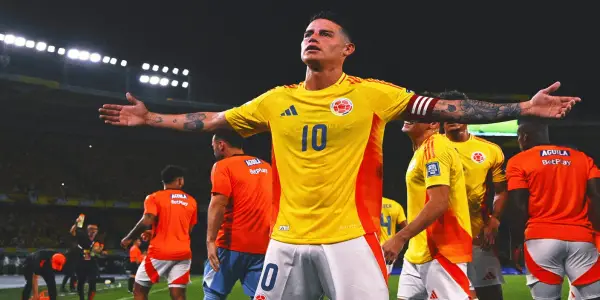
James Rodríguez Eyes Potential MLS Move Ahead of...

Wales Faces Bosnia-Herzegovina in Crucial World...
Harry Brook Addresses Nightclub Incident Amid...
Scotland's World Cup Aspirations Revived...
England Faces Stark Reality Without Harry Kane in...
Scotland Secures World Cup Qualification with 4-2...

Viewing Options for Ireland vs Portugal: Free...

Haaland Downplays Comparisons to Messi and...

Spain Nears Qualification for 2026 FIFA World...

Max Dowman Becomes Youngest Player in Champions...

United States Defeats Uruguay, Ending Their...