Understanding the Revolutionary Impact of Picasso’s Les Demoiselles d’Avignon
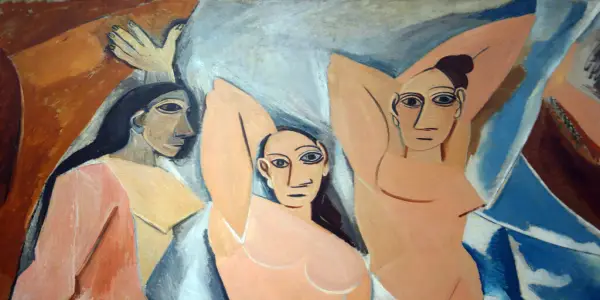
Les Demoiselles d’Avignon stands as a defining work of modern art, recognized for its radical departure from traditional aesthetics and its pivotal role in the development of Cubism.
In-depth analysis
Exhibitions and events
Les Demoiselles d’Avignon continues to be featured in various exhibitions around the world, highlighting its significance in 20th-century art. Recent events have included discussions and panels that delve into its revolutionary impact on modernism, drawing connections between Picasso's work and contemporary art practices.
Artist highlights
Pablo Picasso's innovative approach in Les Demoiselles d’Avignon is crucial for understanding his evolution as an artist. His collaboration with Georges Braque following this piece laid the groundwork for the development of Cubism.
Audience reception
The initial reaction to Les Demoiselles d’Avignon was one of shock and controversy, with many viewers grappling with its bold subject matter. Over time, however, audiences have come to appreciate its complex exploration of human experience and artistic innovation.
Future trends
The ongoing relevance of Les Demoiselles d’Avignon suggests a future where discussions around its themes of morality and representation will continue to evolve. This enduring dialogue may influence new generations of artists and art movements.
Did you know?
Why you should see this
Experiencing Les Demoiselles d’Avignon in person can shift your perspective on art and society. This painting doesn't just hang on a wall; it challenges norms and ignites conversations about beauty, morality, and human experience. Its radical approach to representation invites viewers to reflect on how art influences our understanding of identity and culture today.
Secrets of art
Before settling on the final composition, Picasso created numerous sketches, including male figures that were ultimately excluded. This decision intensified the painting's themes of mortality and desire, highlighting the tension between pleasure and the ephemeral nature of existence.
The artist's hand
Marcus, 34, from Chicago, first encountered Les Demoiselles d’Avignon during a college art history class. The boldness of Picasso’s work struck him deeply, especially as someone who had struggled with self-acceptance. He recalls how the painting's raw depiction of women in a brothel mirrored his own journey of confronting societal pressures. Years later, he still finds solace in its defiance, using it as a reminder to embrace authenticity in both art and life.
David Shrigley Challenges Artistic Value with £1...

AI2 Unveils SERA: A New Era for Open Coding Agents
Autumn 2025 in Paris: A Guide to New Dining,...
Exploring Identity and Myth: A Conversation with...

10 Effective Exercises Using a Medicine Ball
Saudi Arabia's Urban Landscape Transformed:...
Yoko Ono's Comprehensive Retrospective Opens in...
Exploring the Dark Aesthetic: The Art of Nikola...

Exploring Miami: 10 Must-See Attractions
Exploring a Collector's Penthouse in Singapore: A...
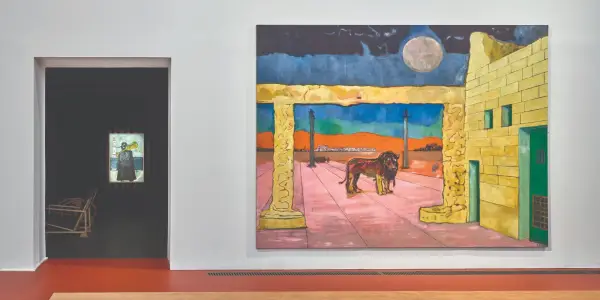
Peter Doig's House of Music: A Unique Fusion of...

A Review of the Standout Humor in The Simpsons'...

Mass Effect Comic Collection Available at Record...
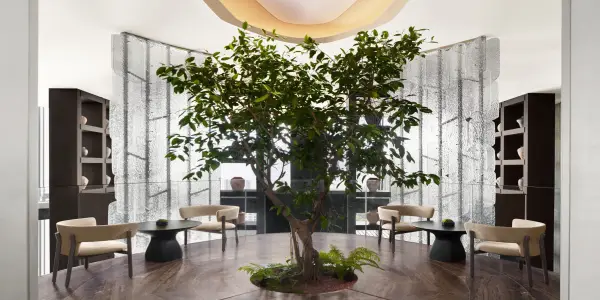
Inauguration of JW Marriott Tokyo: A Fusion of...
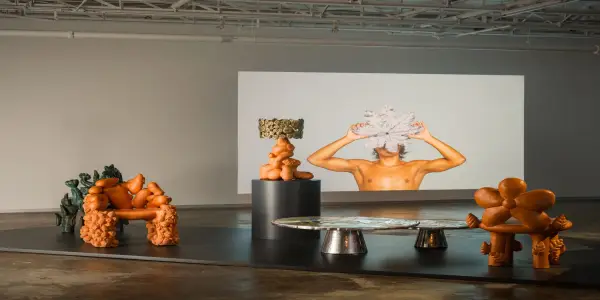
Chris Wolston’s Debut Museum Exhibition Unveils...

Exploring Nature's Artistry: Highlights from the...
Microsoft Paint Embraces AI with New Features,...

National Portrait Gallery Reveals Winners of 2025...
Christie's Unveils $700 Million Art Collection...
Edmonia Lewis: A Pioneering Black Sculptor...
Studio PROBA Unveils Monumental Stone Sculptures...

Sotheby’s Unveils Renovated Breuer Building as...

British Designers Launch Innovative Mini Garden...

StudioTamat Revitalizes Historic Rome 'Villino'...
Transforming Muddy Colours: A Guide for Artists

Essential Items for Your Get Home Bag

Illusionary Artistry: The Enigmatic Works of...

Apple's Strategic Shift: A New Era of iPhone...
Anika Jade Levy's Debut Novel Offers a Fresh...
Reviving the Charm of Coarse AI Art

Pusha T and Virginia Williams Announce...

The Future Perfect Launches Design Gallery in...
Custom Home Assistant Integration Enhances...
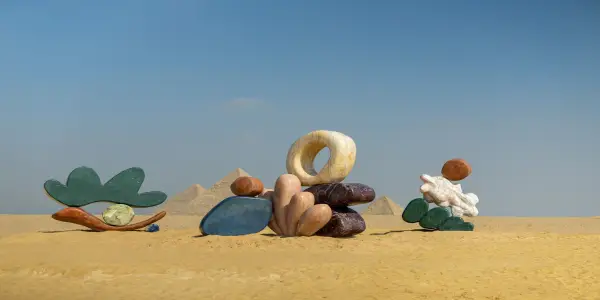
New Monumental Sculptures Unveiled at Giza...

Uber Launches New Year-in-Review Feature Just...

Restocked: Magic: The Gathering's Final Fantasy 7...
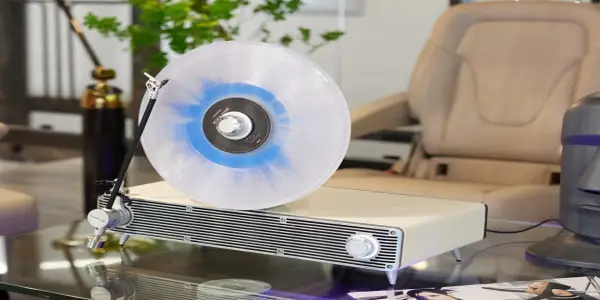
Innovative Vertical Turntable Transforms Vinyl...

China Sets New Record with Spectacular Drone...
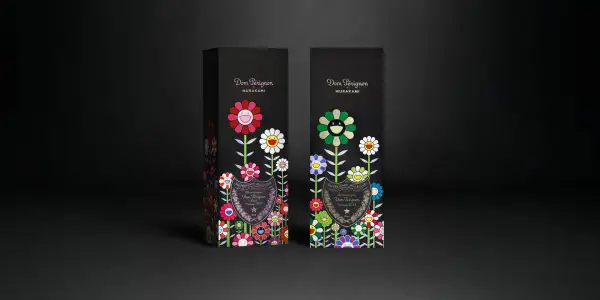
Exploring the Synergy of Art and Winemaking at...