Study Reveals Children Excel at Recreating Pollock's Abstract Art
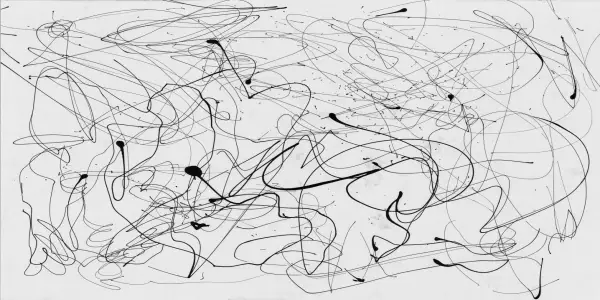
A new study reveals that children aged four to six outperform adults in recreating Jackson Pollock's abstract art, highlighting the unique creativity of youth.
In-depth analysis
Exhibitions and events
The University of Oregon's recent study has sparked interest in exhibitions that showcase the intersection of childhood creativity and abstract expressionism. Events are emerging that feature works by both children and established artists, inviting audiences to explore how unfiltered imagination can challenge traditional notions of artistic skill and complexity in contemporary art.
Artist highlights
Jackson Pollock's influence looms large in discussions of artistic expression, particularly regarding his innovative drip painting technique. The study draws intriguing parallels between Pollock's work and that of young children, emphasizing the spontaneity inherent in both.
Audience reception
Viewers have shown a marked preference for the vibrant simplicity of children's artwork in recent discussions. This trend highlights a shift in appreciation for artistic merit, as audiences increasingly value the raw and instinctive qualities found in these youthful creations over more complex adult works.
Future trends
The findings from this study may herald a new wave of artistic exploration, encouraging a reevaluation of how creativity is perceived across age groups. Future discussions may focus on integrating children's art into mainstream exhibitions, fostering a broader understanding of artistic expression.
Did you know?
Why you should see this
This study highlights the untapped creative potential of children, suggesting their natural, instinctive artistry may surpass that of adults. By recognizing the value in children's art, parents and educators can foster environments that prioritize free expression. This not only nurtures creativity but also redefines how we view artistic skill, encouraging a more inclusive appreciation of diverse artistic voices.
Secrets of art
Jackson Pollock's iconic drip paintings often appear chaotic, but they embody complex mathematical patterns. Research has shown that Pollock's works, like fractals in nature, reveal self-similar structures that can be measured and analyzed, merging art with science in unexpected ways.
The artist's hand
Marcus, 34, from Chicago, recalls the first time his daughter, Lily, brought home a vibrant, chaotic painting from preschool. It was a whirl of colors and wild lines, unlike anything he had created. Seeing her unrestrained joy in making art stirred something deep within him, pushing him to revisit his own forgotten passion for painting. He realized that in her work, there was an authenticity he had long lost, reminding him that creativity thrives in the freedom of expression, not in the confines of expectation.
Transforming Android Home Screens into Artistic...

Northgard's Definitive Edition Set to Launch with...

Essential Home Maintenance Checklist: Your Guide...
Essential Card Games Every Man Should Master
Egypt Launches Grand Egyptian Museum to Showcase...
Michael David's Reflective Art Challenges...
StudioTamat Revitalizes Historic Rome 'Villino'...
Devon Turnbull's Hi-Fi Pursuit Listening Room...
A Homecoming for the Wyeth Family Legacy
Gustav Klimt's Portrait of Elisabeth Lederer...
Transforming Muddy Colours: A Guide for Artists
Celebrating H.R. Giger: A Comprehensive...
Recent Louvre Heist Highlights Challenges in...
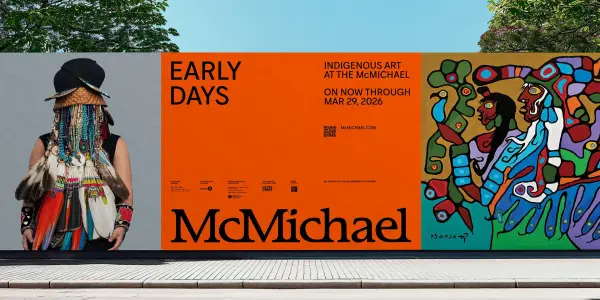
McMichael Canadian Art Collection Unveils...

Annie Leibovitz Addresses Backlash Over Timothée...
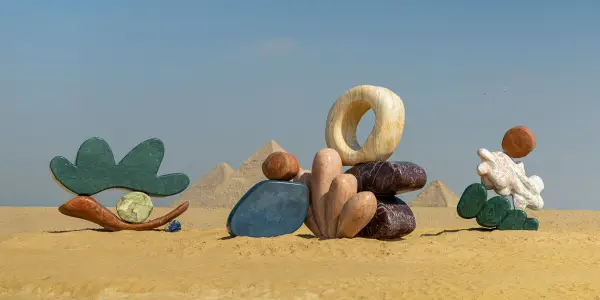
Studio PROBA Unveils Monumental Stone Sculptures...

AI2 Unveils SERA: A New Era for Open Coding Agents
Sotheby’s Unveils New Luxury Headquarters on...

Shuffalo: The New Anagram Game from The New Yorker
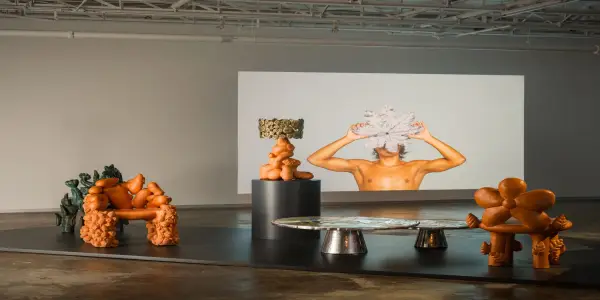
Chris Wolston’s Debut Museum Exhibition Unveils...
Autumn 2025 in Paris: A Guide to New Dining,...
Exploring Nature's Artistry: Highlights from the...
Microsoft Paint Embraces AI with New Features,...
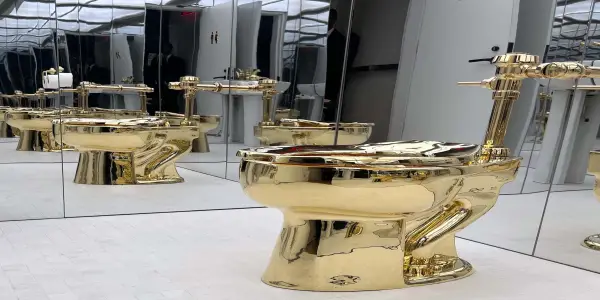
Ripley's Acquires $12 Million Golden Toilet at...
Current Must-See Art Exhibitions in New York City
Podcast Episode #1,092: Hercules at the...

Upcoming Xbox Titles: Demonschool, SpongeBob...
Revolutionizing Digital Art: The InkPoster Breaks...
Yoko Ono's Comprehensive Retrospective Opens in...
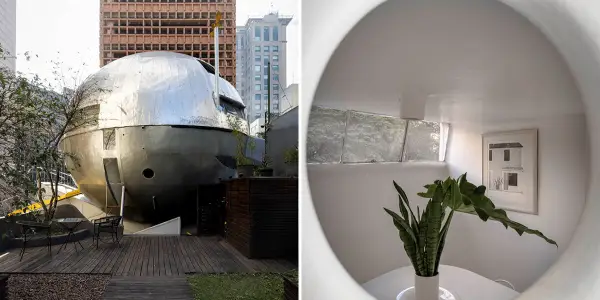
Casa Bola to Showcase ABERTO5 Exhibition in São...

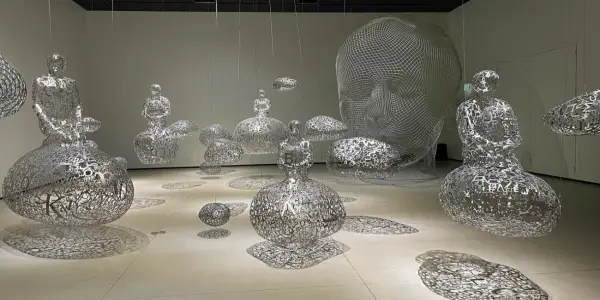
Jaume Plensa's Retrospective in Michigan...

Demna Takes Center Stage at LACMA Art+Film Gala...
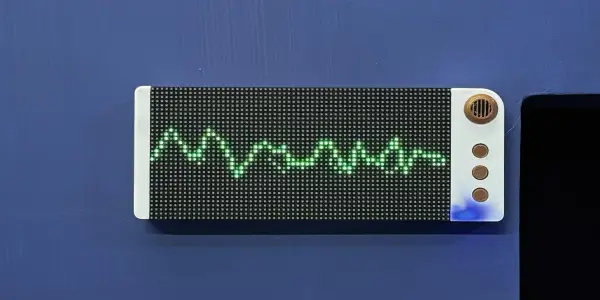
Reviving Wall-Mounted Sound Visualizers with...

Exploring Miami: 10 Must-See Attractions

Exploring the Four Seasons Rabat at Kasr Al Bahr:...
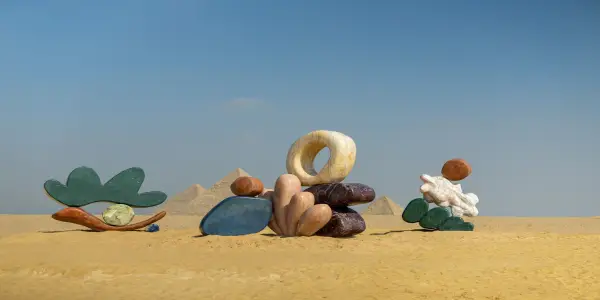
New Monumental Sculptures Unveiled at Giza...
Must-Listen New Albums: Highlights from Rosalía,...
Paola Pivi Explores Freedom and Joy in New AGWA...

The Genius Behind Homer Simpson: Insights from...