Microsoft Identifies Storm-1175 Group Exploiting GoAnywhere Vulnerability for Medusa Ransomware Deployment
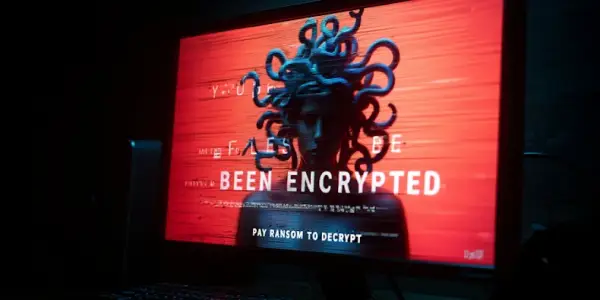
Microsoft has linked the Storm-1175 threat actor to the exploitation of a critical flaw in Fortra's GoAnywhere software, which has been targeted for deploying Medusa ransomware since September.
In-depth analysis
How the technology works
The vulnerability in Fortra's GoAnywhere software, CVE-2025-10035, allows attackers to execute command injections. This critical deserialization flaw enables the deployment of remote monitoring tools and facilitates lateral movement within networks, ultimately leading to severe data breaches and the potential deployment of Medusa ransomware.
Why this innovation matters
This innovation underscores the critical need for robust cybersecurity measures, especially as organizations increasingly depend on third-party software. Addressing such vulnerabilities is essential to prevent extensive data breaches and maintain trust in digital systems.
Who is affected
Organizations utilizing Fortra's GoAnywhere MFT are directly impacted, facing ongoing threats without adequate communication from the vendor. Employees and customers of these organizations may also be at risk due to potential data breaches and compromised systems.
What could come next
In response to this vulnerability, companies may prioritize enhancing their cybersecurity protocols and transparency with clients. Future updates from Fortra could also include critical patches and improved communication strategies to prevent similar incidents.
Did you know?
How this will change your life
The exploitation of the CVE-2025-10035 vulnerability could directly affect your data security if your organization uses Fortra's GoAnywhere software. As attackers gain unauthorized access, sensitive information could be compromised, potentially leading to identity theft or corporate espionage. Strengthened cybersecurity measures will become essential for protecting personal and financial information, making vigilance a part of everyday business operations.
The tech secret
CVE-2025-10035 is a critical deserialization vulnerability, which means it allows attackers to manipulate the way software interprets data. This specific flaw was first noted in September but went unaddressed for months, showcasing the risks of delayed software updates in cybersecurity.
The human behind the innovation
Benjamin Harris, the CEO of WatchTower, is passionate about cybersecurity, stemming from his early career as a systems administrator. After experiencing a data breach that compromised his previous employer's sensitive information, he founded WatchTower to help organizations stay ahead of evolving cyber threats. Harris emphasizes the importance of transparency, advocating that companies must communicate openly about vulnerabilities to protect users effectively. His personal experience drives his mission to empower businesses against cyber risks, making the tech world safer for everyone.
Expert Commentary

LG B5 65-Inch 4K OLED TV Available at Black...

Essential USB-Compatible Gadgets to Enhance Your...

The Visionary Behind Grand Theft Auto Returns...

Four Surprising Vehicles Equipped with Toyota's...

Where Winds Meet: A Grand Exploration of Ancient...
Tekken 8 Unveils Version 2.06 Patch Notes Ahead...
Microsoft Faces Stock Pressure as Analysts...
Dell Launches Major Black Friday Sale on 1TB...

Top Headphones for Audiophiles: Insights from...
Urgent Microsoft Security Update Required for...

Upcoming amiibo Releases for 2025–2026: Mario...
Valve Teases New Half-Life Content Amid Fan...
Celebrating 25 Years of Halo: New Releases and...

Comprehensive Guide to Unlocking Weapons in...

Ultramarathoner Kevin Humphrey Battles Stage IV...

American Airlines Expands Digital Options with...

Timothée Chalamet Reflects on His Memorable...

Comparing the Best in Headphones: Bose QC Ultra...

Google Rolls Out Android 16 Part Two Update for...

Lenovo's CEO Addresses AI Concerns at CES,...

DJI Launches Osmo Action 6, Raising the Bar for...
Excitement Builds for Metroid Prime 4 After...

Transform Your Workspace with the D-Line Cable...

Scuf Valor Pro Wireless Controller: A...
ASUS ROG Xbox Ally X Sells Out Amidst Controversy...

AIO Launcher: A Widget-Centric Alternative for...
Google Enhances Cameyo to Streamline Windows App...

Amazon's Cyber Monday Sale Offers Substantial...

Even Realities Introduces G2 Smart Glasses with...
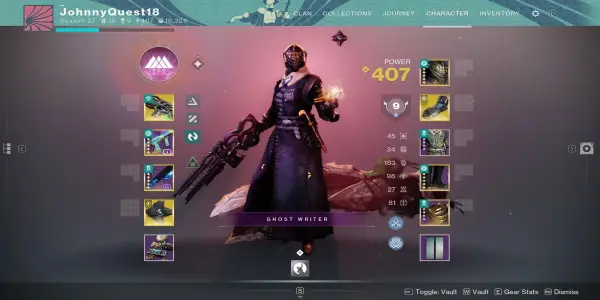
Bungie Removes Controversial Unstable Cores from...

Google Messages Initiates Testing of @mentions...
Microsoft Identifies Storm-1175 Group Exploiting...

Battlefield 6 Launch: Bugs, Issues, and...

Samsung's Alterations to Android Notifications...

Intermittent Calorie Restriction Linked to...

Vampire: The Masquerade - Bloodlines 2 Receives...

Nintendo Switch 2 Welcomes 'Orbitals' as an...

Sucker Punch Studios Weighs Next Project: A...

A Month with AirPods Pro 3: An Upgrade with...
Microsoft Addresses Security Risks with November...