FIFA Council Meeting Omits Israel's Football Participation from Agenda
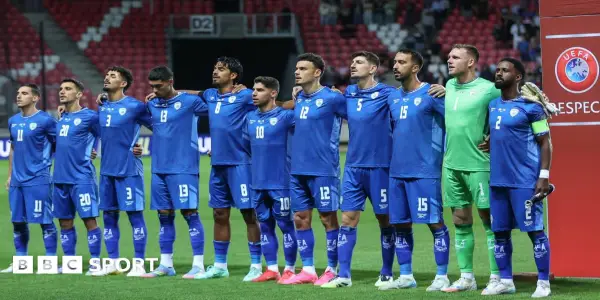
The FIFA Council meeting in Zurich will not address Israel's football participation, despite Amnesty International's calls for suspension amid rising geopoli...
In-depth analysis
Match results
Israel's national football team currently sits third in its World Cup qualifying group, trailing six points behind the leaders. This positioning complicates their path to the 2026 World Cup, where only the top team earns automatic qualification, while the second-placed team must vie for a playoff spot.
Player stats
The Israeli squad's performance has been under scrutiny, particularly as they navigate a challenging qualifying round. Individual player contributions will be crucial as the team seeks to improve its standings and secure a place in the upcoming World Cup.
Team performance
Israel's national team is facing pressure as it strives to enhance its performance in the qualifying rounds. Despite the geopolitical backdrop, the team's ability to focus on gameplay will be essential in overcoming their current deficit and achieving playoff contention.
Upcoming matches
Looking ahead, Israel's national team must prepare for crucial upcoming matches that will determine their fate in the World Cup qualifiers. Each game will play a pivotal role in their quest to secure a playoff position.
Did you know?
Why this match is decisive
The FIFA council's decision to exclude Israel from discussions reflects broader implications for sports as a platform for social justice. In a world where athletes often stand as symbols of change, this meeting could determine whether football remains an insulated escape or actively engages with pressing global issues. The outcome may influence the role of sports in addressing human rights, impacting fans and communities worldwide.
What stats won't tell you
While Israel's national football team currently sits third in their World Cup qualifying group, a lesser-known fact is that they have not qualified for the World Cup since 1970. This long absence adds a layer of tension to their current struggles, as the team not only fights for sports prestige but also navigates the complex landscape of international relations.
A little fan's big dream
Marcus, 34, from Chicago, has been a devoted supporter of Israel's national football team since childhood, inspired by his father’s tales of their early World Cup appearances. Every match day, he dons his vintage jersey and gathers with friends to watch the games, hoping to witness a historic qualification. He dreams of one day traveling to the World Cup to cheer for his team live, a trip he imagines as both a sporting pilgrimage and a chance to connect with his roots. Yet, the current political climate weighs heavily on him. He worries that external pressures might thwart his dream, leaving him to navigate the bittersweet reality of being a fan caught between passion and politics.
Expert Commentary

English Clubs Gear Up for Champions League...
MLS to Transition to Summer-Spring Schedule by...

Two Sixth-Tier Teams Secure Spots in FA Cup Third...

U.S. Men's National Team Prepares for Paraguay in...
James Rodríguez Eyes Potential MLS Move Ahead of...

Chaos Erupts as Fans React to Messi's Early...
Virgil van Dijk Responds to Wayne Rooney's...
Cristiano Ronaldo Attends White House Dinner...

Tom Lockyer Signs with Bristol Rovers, Marking a...

Barcelona Pursues Rashford and Kane as Transfer...

Matheus Cunha's Influence at Manchester United: A...

Harry Brook Addresses Nightclub Incident Amid...
Germany and Netherlands Secure World Cup 2026...
Amorim Expresses Concern Over Manchester United's...

Brands and Retailers Gear Up for World Cup...
Max Dowman Makes History as Arsenal's Youngest...
Jonny Clayton Advances to Fourth Round After...

Kevin Hart's World Cup Draw Performance Sparks...
Alex Iwobi Champions the Significance of Afcon...

Unilever's Strategic Approach for the 2026 FIFA...
Eberechi Eze Emerges as Key Player for Arsenal in...
2026 World Cup: Guadalajara and Monterrey...
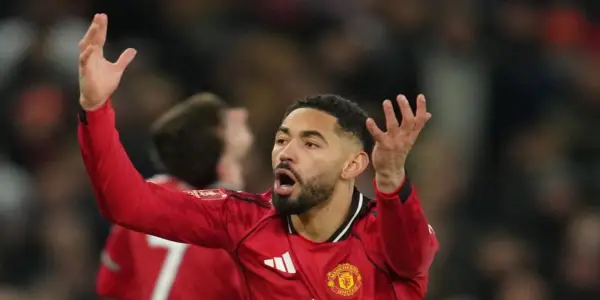
Manchester United Faces Uncertain Future After FA...

Crystal Palace Climbs to Fourth After Defeating...
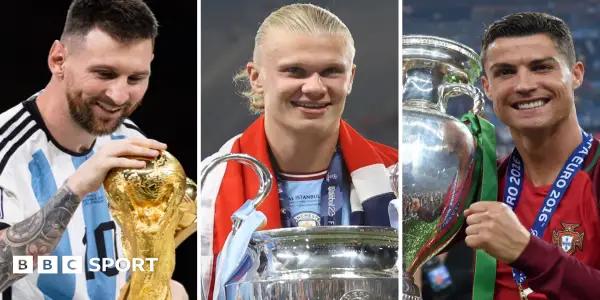
Haaland Downplays Comparisons to Messi and...
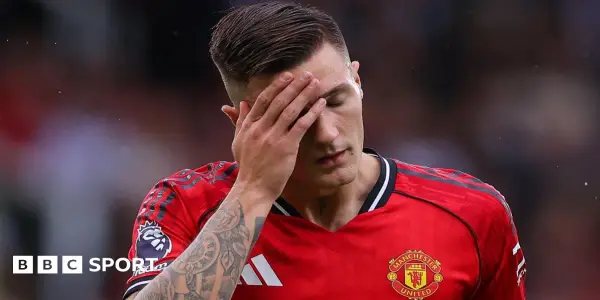
Manchester United's Benjamin Sesko Faces...
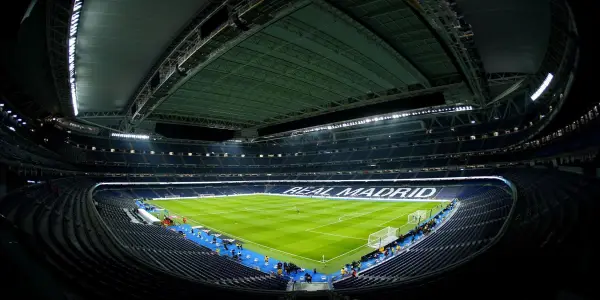
Historic NFL Game Set for Madrid's Renowned...
Spain Nears Qualification for 2026 FIFA World...
AEK Larnaca Triumphs Over Crystal Palace in UEFA...

Scotland Poised for Historic World Cup...
England Faces Stark Reality Without Harry Kane in...
Cameroon Football Federation Restructures Ahead...
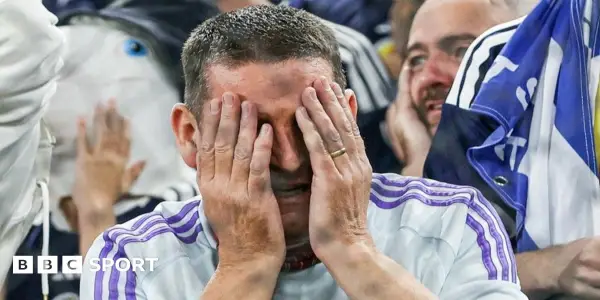
Scotland's World Cup Aspirations Revived...
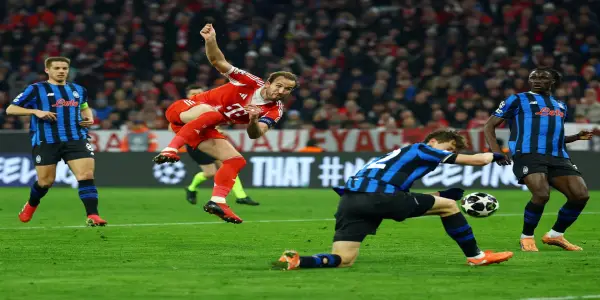
Real Madrid Set to Face Bayern Munich in...
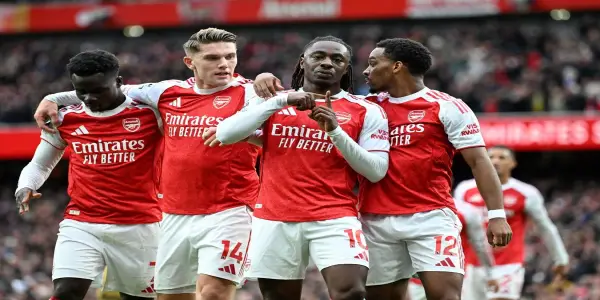
Arsenal's Impressive Form Positions Them for...
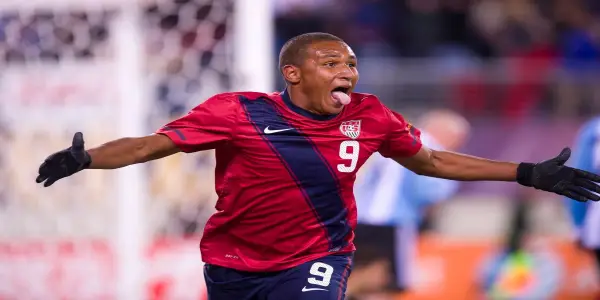
Juan Agudelo's Retirement Highlights Unrealistic...

Max Dowman Becomes Youngest Player in Champions...
Christmas Standings: Insights into the Premier...
From Small Towns to World Champions: The Historic...