F1 Drivers Weigh In on Cooling Vests Ahead of Singapore GP Amid Heat Concerns
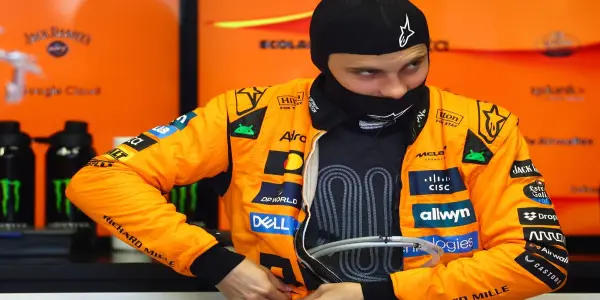
As the Singapore Grand Prix approaches with a 'Heat Hazard' warning, F1 drivers share their insights on the new cooling vests after preliminary testing earlier this season.
In-depth analysis
Race results
The Singapore Grand Prix is set to be a pivotal event, particularly with the introduction of cooling vests aimed at mitigating the effects of extreme heat. Drivers will need to adapt to these new measures while navigating the challenging street circuit, which could significantly influence the race outcomes.
Driver performance
Driver performance will be closely monitored as many opt to use cooling vests for the first time. This adaptation could enhance their endurance and focus, particularly in the demanding conditions of the Singapore Grand Prix.
Technical updates
Teams are mandated to equip their cars with components for the cooling systems, reflecting a shift in safety protocols. While drivers can choose whether to wear the vests, those who decline must carry additional ballast, which could impact their overall performance.
Next race preview
The upcoming Singapore Grand Prix promises to be a test of both skill and adaptability, as drivers confront extreme heat and humidity. The integration of cooling vests may play a crucial role in how teams strategize for this unique race.
Did you know?
Why this race will make history
Marcus, 34, from Chicago, has been a Formula 1 fan since childhood, bonding with his late father over race weekends. As he watches the Singapore Grand Prix, he feels a mix of nostalgia and hope. The introduction of cooling vests symbolizes a shift toward prioritizing driver safety, something he wishes his father had seen—a step forward for a sport that once overlooked its athletes' well-being.
Garage secrets
Interestingly, the temperature inside an F1 car cockpit can soar to over 50 degrees Celsius during a race. This extreme heat has led to serious health concerns, prompting the FIA to issue its first-ever 'Heat Hazard' warning, showcasing a growing commitment to driver safety amidst changing climate conditions.
The mechanic's story
Jasmine, a 29-year-old mechanic from Silverstone, has always been passionate about cars. Growing up in her father's garage, she witnessed the toll racing took on drivers, especially during hot races. The first time she saw a driver collapse from heat exhaustion, it left a lasting impression. Now, as part of the team implementing cooling vests, she feels a renewed sense of purpose. Jasmine knows these vests could prevent future incidents and hopes they will allow drivers to focus on racing, not survival. Each time she sees her work in action, it strengthens her resolve to ensure that no driver endures what she witnessed as a child.
Expert Commentary
Piastri Adapts to Unique Driving Demands of...

Martin Brundle Critiques Max Verstappen's Remarks...
Supercars Unveils 2025 Finals Lineup Following...
Experiencing Formula 1: The Glenfiddich and Aston...
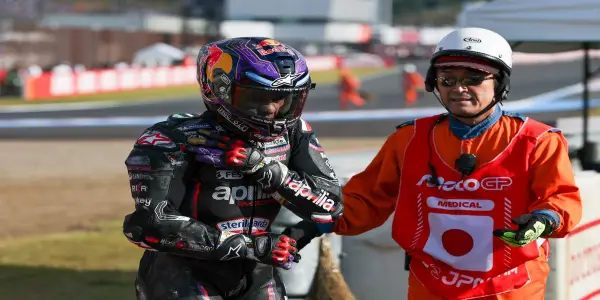
Jorge Martin Successfully Undergoes Collarbone...

McLaren Special Operations Unveils Project Viva:...
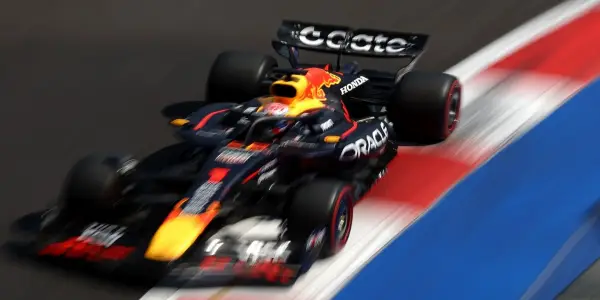
Red Bull Faces Challenges Ahead of Mexico GP:...
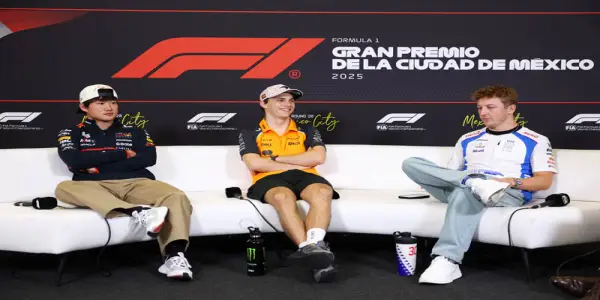
FIA Drivers Press Conference Ahead of Mexico City...
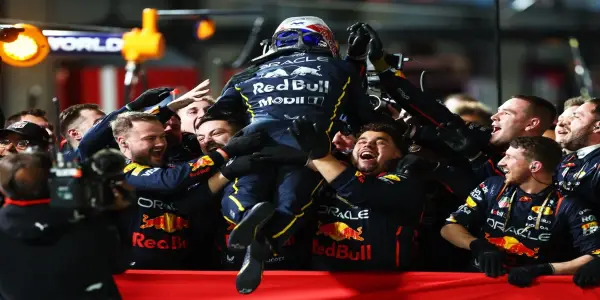
Max Verstappen Secures Victory at Las Vegas Grand...
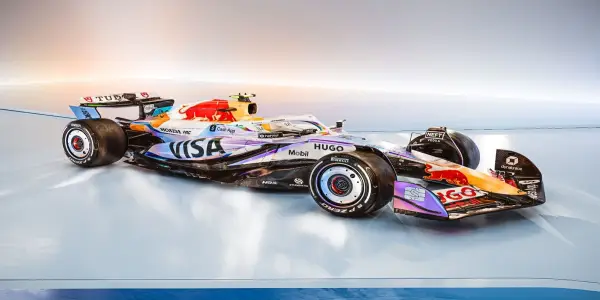
Racing Bulls Unveils Unique Holographic Livery...
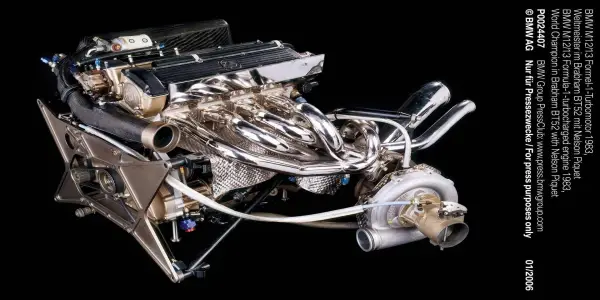
The Iconic BMW M12/13 Turbo Engine: A Triumph in...
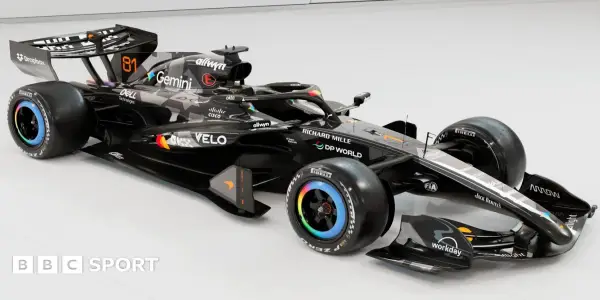
McLaren and Red Bull Showcase 2026 Formula 1 Cars...

From Game Show Contestant to F1 CEO: The...
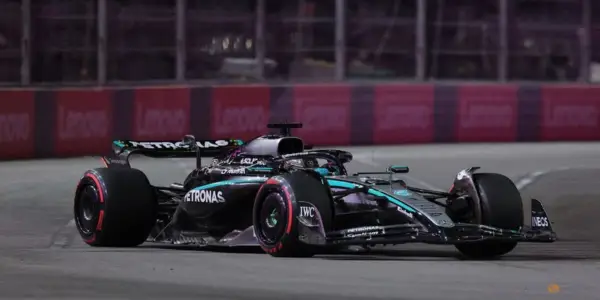
George Russell Leads Final Practice Ahead of Las...
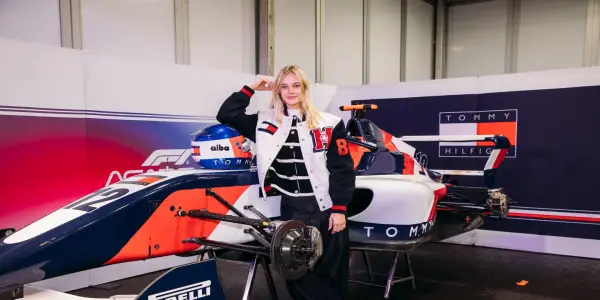
F1 Academy Driver Alba Hurup Larsen Embraces...

Seattle Kraken Launches Unique Player Award...

T-Mobile's 5G Network Enhances Experience at the...
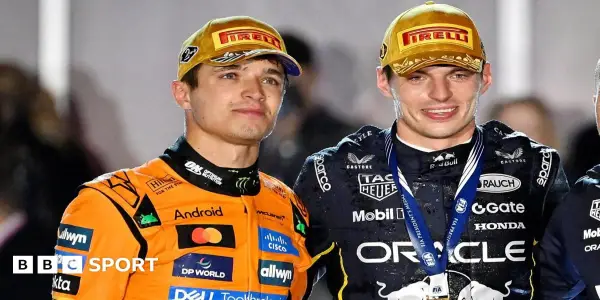
Norris Maintains Championship Lead, But...

Luke Littler Claims First World Grand Prix Title...
F1 Drivers Weigh In on Cooling Vests Ahead of...
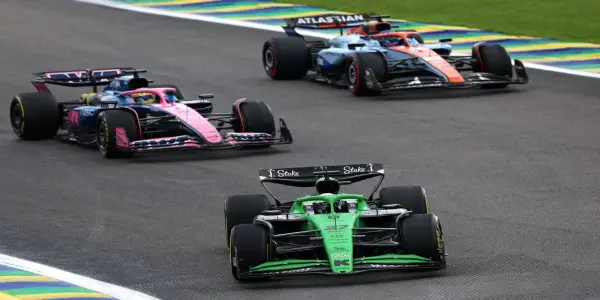
Alpine Faces Challenges as Competitors Continue...
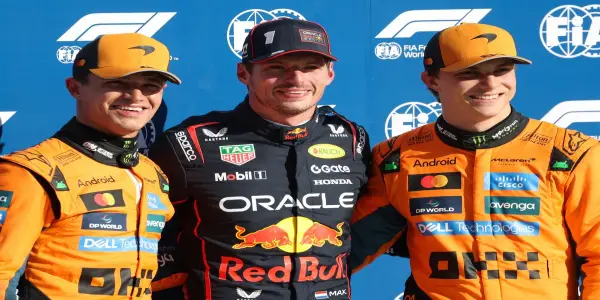
McLaren Acknowledges Verstappen's Potential...
Hankook's GEN3 Evo iON Race Tire Shines During...
Mantis X99 Concept Vehicle Takes Cues from...

Dallas Cowboys and INDYCAR Unite for the Grand...
Formula 1 and Disney Join Forces for Unique Las...
Post-Qualifying Insights from the Mexico City...
IMAX Unveils Trailer for Groundbreaking F1...
Isack Hadjar Details Cause of His Crash During...

Audi's Vision Quattro: A Bold Leap into Electric...

Billionaire's Son David Bren's Ambitious...
McLaren Addresses Pitstop Challenges, Aims for...
Leclerc Defends Elkann's Comments as Constructive...
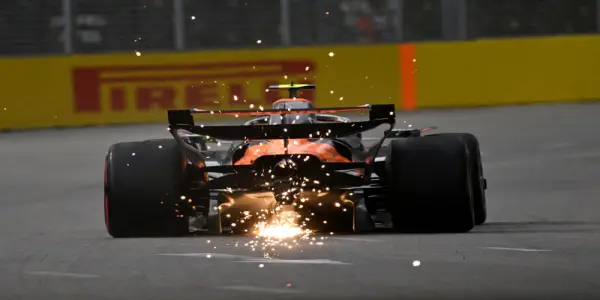
Singapore Grand Prix Practice Insights: Pirelli's...
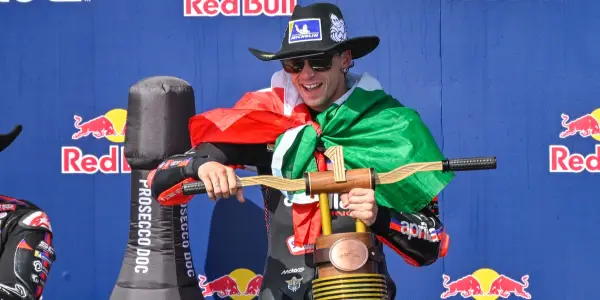
Marco Bezzecchi Dominates USA MotoGP, Solidifying...
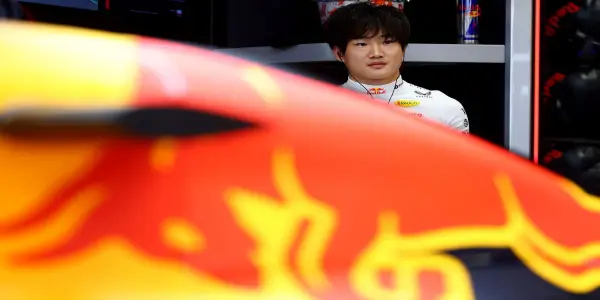
Tsunoda Seeks Clarity from Red Bull Following Las...
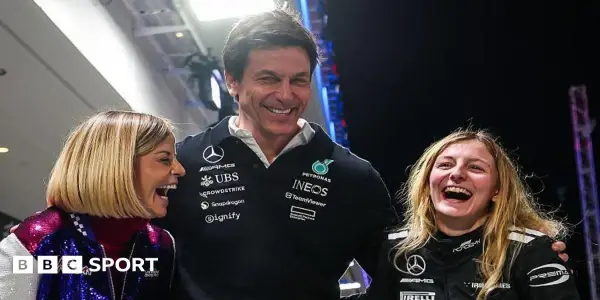
Doriane Pin Secures F1 Academy Championship in...
Norris Reflects on Frustrating Practice Sessions...
Understanding FIA Grade 1 Circuits: The Standards...
Esteban Ocon Reflects on Harrowing Miami Crash:...