Verstappen Welcomes Proposed Engine Changes, Sees Positive Future in F1
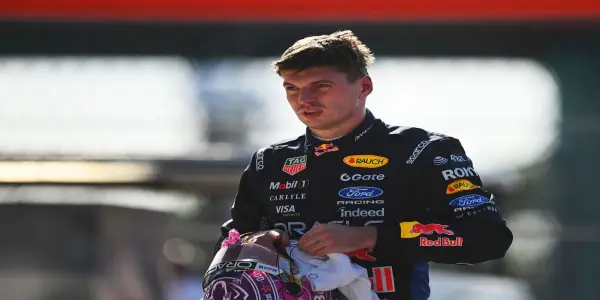
Max Verstappen expresses optimism about upcoming engine regulations in Formula 1, indicating they could influence his decision to stay in the sport.
In-depth analysis
Race results
Max Verstappen's return to the Formula 1 paddock in Montreal follows his recent endurance racing stint. The reigning champion's engagement with the sport coincides with significant discussions about technical regulations, particularly regarding the balance of internal combustion engines and electric power, which could reshape the competitive landscape.
Driver performance
Verstappen's enthusiasm for the forthcoming technical changes highlights his commitment to performance improvement. His recent experiences in endurance racing may also provide valuable insights as he adapts back to the demands of Formula 1.
Technical updates
The FIA's preliminary agreement aims to rebalance the internal combustion engine with electric power, reflecting a significant shift in Formula 1's technical landscape. Ongoing discussions focus on fuel flow and electric power balance, with manufacturers pushing for alignment with current technologies amid political complexities.
Next race preview
As the season progresses, anticipation builds for the upcoming races. The evolving technical landscape and driver feedback will play crucial roles in shaping competitive strategies and enhancing the overall racing experience.
Did you know?
Why this race will make history
Marcus, 34, from Chicago, has been a die-hard Formula 1 fan since childhood, watching races with his father every Sunday. When he learned about the new technical regulations, he felt a surge of hope that the sport could return to its roots. The idea of rebalancing traditional engines resonates deeply with him, reminding him of the thrilling races he grew up idolizing. This change feels personal, as it could redefine F1 for future generations.
Garage secrets
Did you know that the earliest Formula 1 cars, like the Alfa Romeo 158, relied entirely on mechanical systems with no electrical components? This meant that drivers had to feel every nuance of the car's performance without the aid of electronic feedback, making their skill even more crucial.
The mechanic's story
Liam, 29, a mechanic from a small town, found his passion for racing in his grandfather's garage. Growing up, he spent countless hours restoring vintage cars, dreaming of the day he could work in F1. When Verstappen's return sparked discussions about traditional engines, Liam felt a personal connection. He believes the shift could revive the art of mechanical engineering in racing, which he views as critical for preserving the sport's legacy. For Liam, every adjustment in the engine not only affects performance but also honors the craftsmanship that has defined racing for decades. This evolution is not just about speed; it's a chance to celebrate the history and artistry of the sport.

Apple and MLS to Conclude Paid Subscription Model...
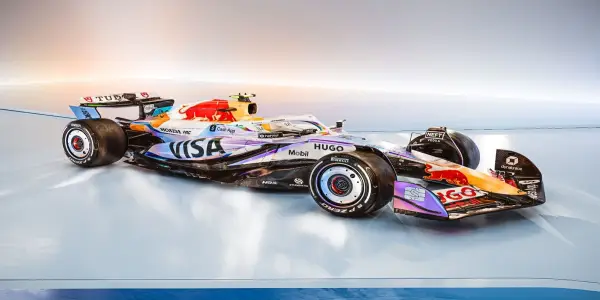
Racing Bulls Unveils Unique Holographic Livery...
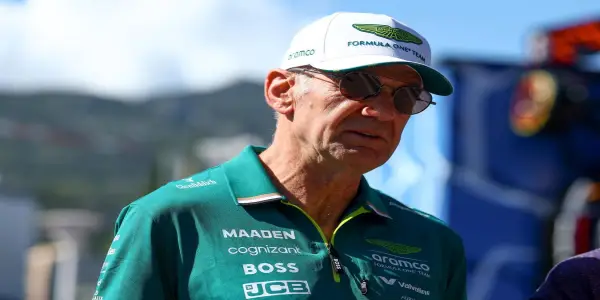
Adrian Newey Appointed as Team Principal of Aston...
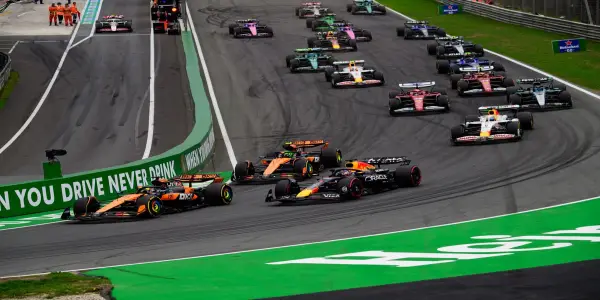
Understanding the Formula 1 Cost Cap: Recent...
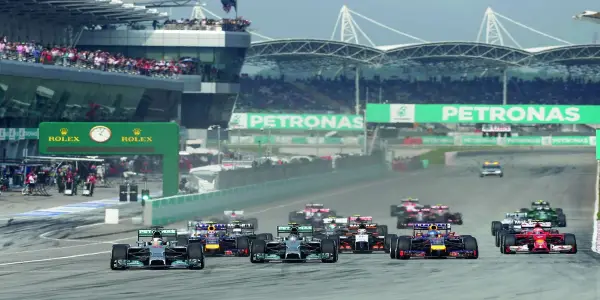
Prospects for Malaysian Grand Prix Return to F1...
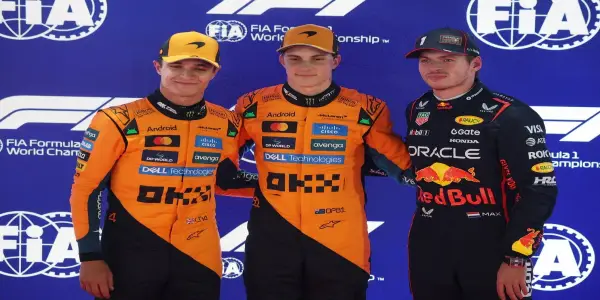
F1 Qatar Grand Prix: Start Time, Viewing Options,...
Norris Attributes Championship Lead to Enhanced...
Lando Norris Leads Red Flag-Interrupted Second...
Isack Hadjar Details Cause of His Crash During...
Romain Grosjean Reflects on Survival from Fiery...
McLaren Faces Scrutiny for Plank Wear Violations...
Understanding McLaren's Papaya Rules Ahead of...
McLaren's Andrea Stella Critiques Penalty...
Leclerc Leads Practice as McLaren Faces...
FIA Team Representatives Discuss Challenges Ahead...
Lando Norris Clinches First Formula 1...
Andrea Kimi Antonelli Reflects on a Challenging...
Lando Norris Faces Booing from Fans at Mexico GP...
Amazon Offers Lego F1 Collectible Race Cars at a...
Marc Marquez Triumphs in Rain-Soaked MotoGP...
Aston Martin's Strategic Shift Positions Valkyrie...
Behind the Scenes of M3GAN 2.0: The Creation of...
Post-Qualifying Insights from the Mexico City...
2026 INDYCAR Odds: Alex Palou and Kyle Kirkwood...
Audi's Vision Quattro: A Bold Leap into Electric...
Gift Ideas for the Gamer Dad: What to Consider...
Las Vegas Grand Prix Attracts Over 300,000 Fans...
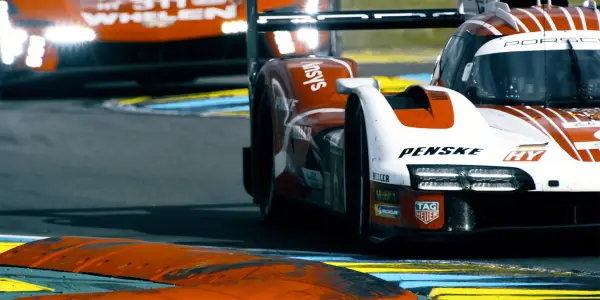
IMAX Unveils Trailer for Groundbreaking F1...
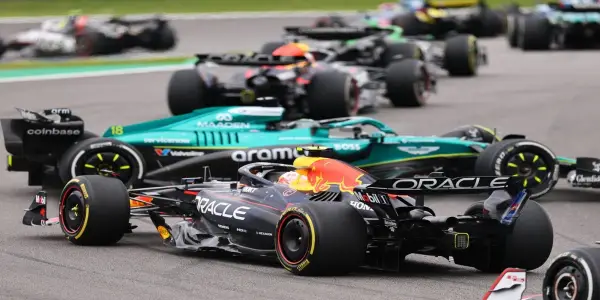
Yuki Tsunoda Surprised by Collision with Lance...
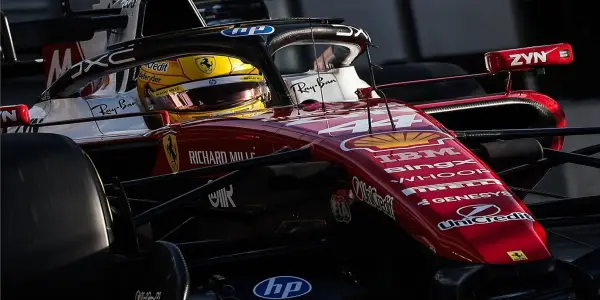
Lewis Hamilton Embraces New Era of Formula 1 Cars...
Qatar Grand Prix Preview: Ferrari Eyes Strong...
McLaren Will Not Introduce Further Upgrades for...
Lewis Hamilton Tops Final Day of F1 2026...
2026 PGA Awards Unveil Nominations for Film and...
Norris Maintains Championship Lead, But...
Ross Brawn to be Honored with Autosport Gold...
Red Bull to Launch 2026 F1 Season in Detroit,...