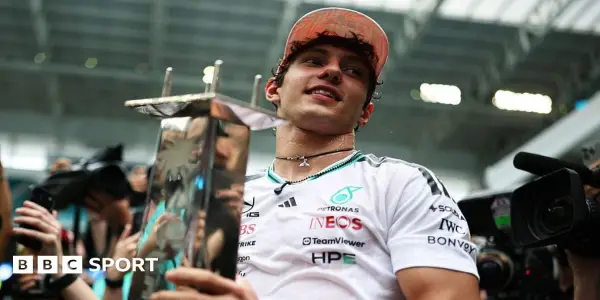
FIA Eliminates Active Aerodynamics for Monaco GP: Implications for Team Performance
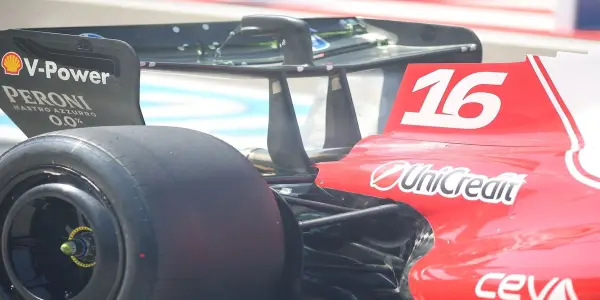
The FIA's decision to ban active aerodynamics at the Monaco Grand Prix raises safety concerns and alters the competitive landscape for teams.
In-depth analysis
Race results
The FIA's decision to ban active aerodynamics for the Monaco Grand Prix will significantly alter race dynamics, shifting focus to fixed aerodynamic surfaces. This change is expected to challenge teams as they strategize for the narrow street circuit, potentially leveling the playing field and allowing for unexpected outcomes among competitors.
Driver performance
Drivers will need to demonstrate adaptability as they navigate the unique challenges of Monaco. With the absence of DRS, skillful handling and strategic positioning will be critical for success in this notoriously difficult circuit.
Technical updates
The ban on active aerodynamics will require teams to reassess their car setups, particularly those like Mercedes, which recently upgraded for straight-line speed. Adjustments will be essential to optimize performance under the new regulations, especially for teams with distinct design philosophies.
Next race preview
As teams head to Monaco, the focus will be on qualifying performance due to limited overtaking opportunities. The unique circuit demands precision, making it crucial for drivers to secure optimal grid positions.
Did you know?
Why this race will make history
For Marcus, 34, from Chicago, the Monaco Grand Prix holds deep significance. Growing up watching his late father, a passionate motorsport fan, Marcus learned about the thrill of racing from an early age. Now, as he prepares to attend the race in honor of his father, the shift to fixed aerodynamics adds a layer of unpredictability that excites him. He hopes to witness a historic upset that could honor his father's legacy.
Garage secrets
Did you know that the Monaco Grand Prix has one of the highest average speeds of any street circuit despite its narrow layout? The unique combination of tight corners and elevation changes challenges drivers to maintain control while pushing their limits, making it a true test of skill and strategy.
The mechanic's story
Liam, 29, a mechanic for a mid-tier racing team, feels the weight of the upcoming Monaco Grand Prix. Growing up in a small town, he would spend weekends fixing up old cars with his grandfather, who taught him the value of precision and care. Now, as he prepares the team's car for this historic race, he reflects on how the absence of active aerodynamics could level the playing field. For Liam, it’s not just about the race; it’s a chance to prove that hard work can lead to unexpected victories. His heart races at the thought of seeing his team outperform expectations, a testament to the countless hours spent in the garage.
Expert Commentary
Lando Norris Secures Sprint Pole at Brazilian...
Red Bull Faces Challenges Ahead of Mexico GP:...

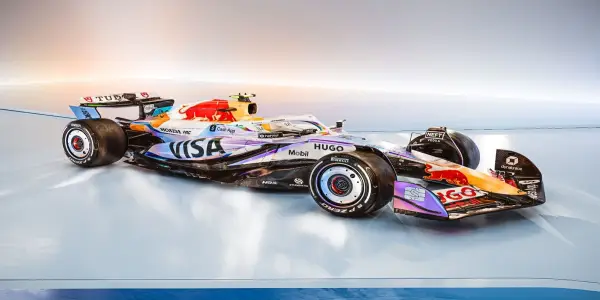
Racing Bulls Unveils Unique Holographic Livery...
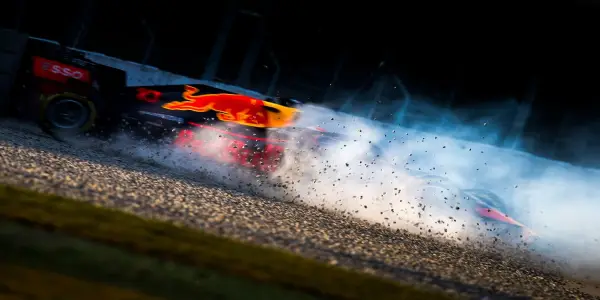
Hadjar's Barcelona Testing Incident: Distinct...
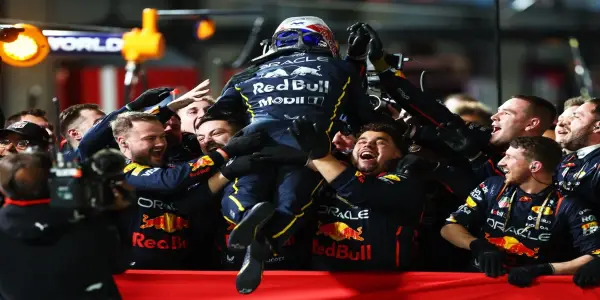
Max Verstappen Secures Victory at Las Vegas Grand...
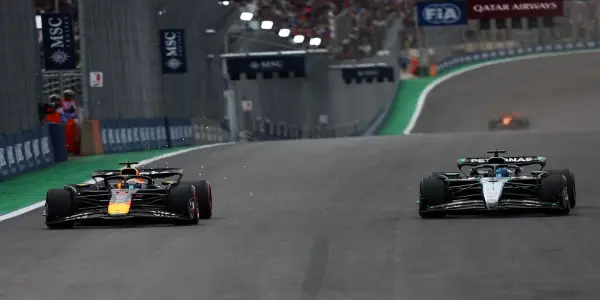
Max Verstappen's Brazil GP: A Puncture and the...
Alpine Faces Challenges as Competitors Continue...
Qatar Grand Prix Preview: Ferrari Eyes Strong...
Lando Norris Leads Red Flag-Interrupted Second...
Experiencing Formula 1: The Glenfiddich and Aston...
Tsunoda Seeks Clarity from Red Bull Following Las...
Understanding the Formula 1 Cost Cap: Recent...
Leclerc Defends Elkann's Comments as Constructive...
Max Verstappen Secures Victory at F1 US Grand...
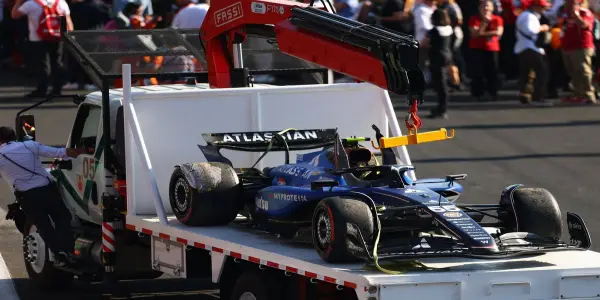
FIA Launches Inquiry into Mexico GP Marshal...
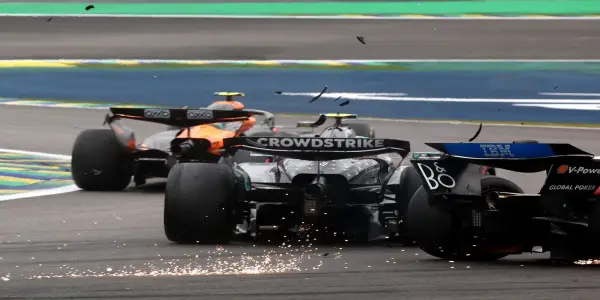
McLaren's Andrea Stella Critiques Penalty...
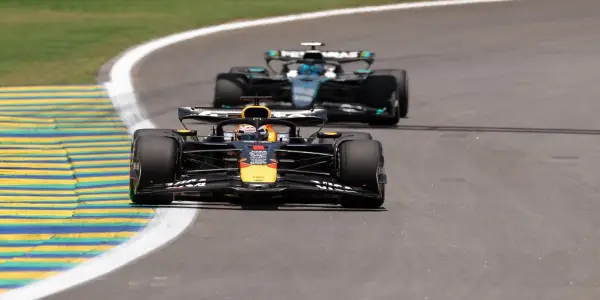
Max Verstappen Faces Challenges in Brazilian...
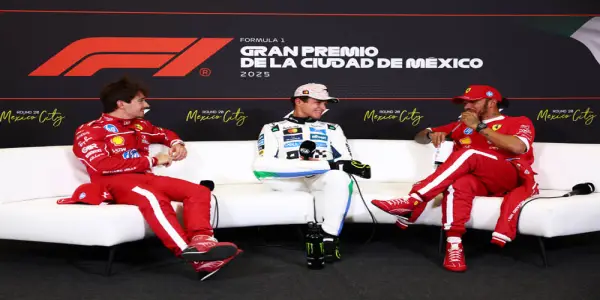
Post-Qualifying Insights from the Mexico City...
Understanding FIA Grade 1 Circuits: The Standards...
T-Mobile's 5G Network Enhances Experience at the...
Honda Unveils 2026 Super Formula Lineup with...
Lewis Hamilton Embraces New Era of Formula 1 Cars...

Nine Injured in Car Incident at Demolition Derby...
Audi's Vision Quattro: A Bold Leap into Electric...
Colapinto Critiques Stroll Following Brazil GP...
Marc Marquez Triumphs in Rain-Soaked MotoGP...
Apple Secures Exclusive Formula 1 Broadcasting...
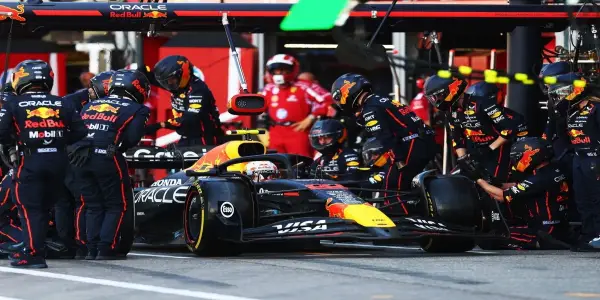
Formula 1 Delays Mandatory Pitstop Proposal...
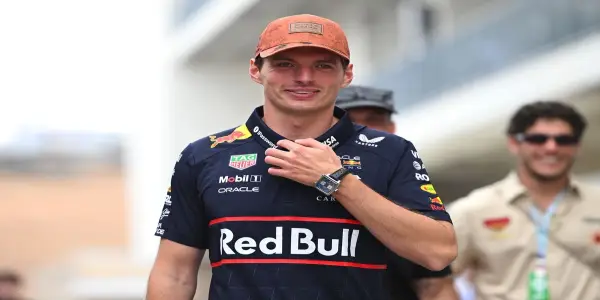
Verstappen Reflects on Title Chances After...
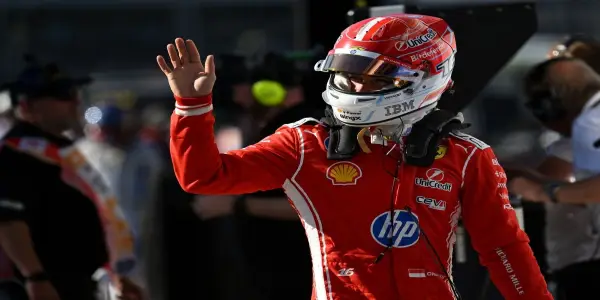
Charles Leclerc Secures Multi-Year Contract...

FIA Team Representatives Discuss Challenges Ahead...
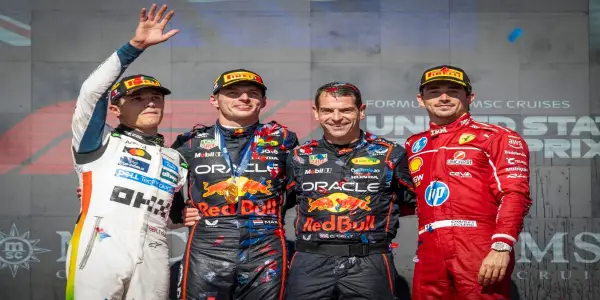
Max Verstappen Claims Victory at 2025 United...
Audi Unveils Ambitious Formula 1 Concept Ahead of...
Alpine F1 Team Sees Resurgence at Brazil GP,...
Prospects for Malaysian Grand Prix Return to F1...
F1 Brazil Grand Prix: Sprint Race and Qualifying...
Colton Herta Joins Hitech for Formula Two...
Las Vegas Grand Prix Attracts Over 300,000 Fans...