Japanese GP Reveals Potential Flaws in 2026 Formula 1 Regulations
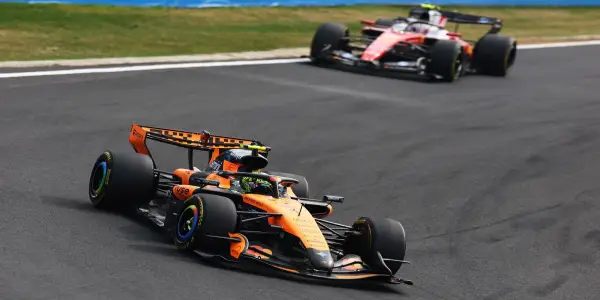
The recent Japanese Grand Prix showcased exciting racing but also highlighted critical issues in the 2026 Formula 1 rules that warrant urgent discussion.
In-depth analysis
Race results
The Japanese Grand Prix showcased a gripping contest between Lando Norris and Lewis Hamilton, highlighting the intricate dynamics of the new hybrid engines. The race concluded with Hamilton maintaining his lead, despite Norris's aggressive attempts to close the gap, ultimately emphasizing the evolving challenges of energy management in competitive racing.
Driver performance
Lando Norris demonstrated impressive skill in utilizing electric boost, effectively narrowing the gap to Lewis Hamilton. However, the complexities of energy management hindered his overtaking opportunities, showcasing the impact of the new regulations on driver performance.
Technical updates
The recent race revealed the complexities of the new hybrid power units, particularly in energy management systems. Drivers are now compelled to balance speed with energy conservation, raising questions about the effectiveness of these regulations in promoting competitive racing while ensuring safety.
Next race preview
Looking ahead, the next race promises to further test the drivers' adaptability to the hybrid engine regulations. Stakeholders will be watching closely as discussions on potential adjustments to the rules unfold, aiming to enhance both safety and competitiveness.
Did you know?
Why this race will make history
Marcus, 34, from Chicago, watched the Japanese Grand Prix with a mix of excitement and anxiety. His late father, a die-hard F1 fan, often described Suzuka as the ultimate test of a driver's skill. As Marcus saw Lando Norris and Lewis Hamilton battle through the twists and turns, he felt a connection to his father's passion. This race wasn't just about speed; it was a legacy unfolding before his eyes.
Garage secrets
Did you know that the hybrid power units used in F1 cars today can produce over 1,000 horsepower? This incredible output comes from a combination of traditional combustion engines and advanced energy recovery systems, showcasing the remarkable technological evolution in motorsport.
The mechanic's story
Alex, 29, a mechanic from Tokyo, has spent years working in the heart of motorsport. Watching the Japanese Grand Prix unfold, he felt a wave of nostalgia wash over him. His grandfather, a former racer, taught him everything about engines and strategy. As he tuned in to the Suzuka race, Alex remembered the thrill of helping his grandfather restore vintage cars. Now, he felt a pang of longing as he witnessed the complexities of the new hybrid systems. For Alex, this race was more than just a competition; it was a reminder of family, tradition, and the relentless pursuit of innovation in a sport they both loved.
Expert Commentary
Andrea Kimi Antonelli's Subtle Jump Start at F1...
Racing Bulls Unveils Unique Holographic Livery...
Ross Brawn to be Honored with Autosport Gold...
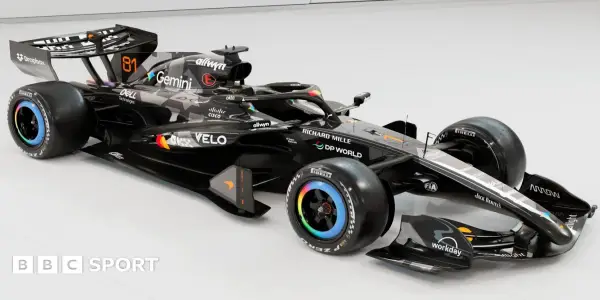
McLaren and Red Bull Showcase 2026 Formula 1 Cars...
Miami Grand Prix Enforces Strict Camera...
Pinnacle Motorsport Claims Surprising Victory at...
F1®: The Movie Sequel Delayed Amid Regulatory...
Dallas Cowboys and INDYCAR Unite for the Grand...
Audi's Vision Quattro: A Bold Leap into Electric...
Marc Marquez Triumphs in Rain-Soaked MotoGP...

Apple and MLS to Conclude Paid Subscription Model...
Gift Ideas for the Gamer Dad: What to Consider...
Red Bull Faces Challenges Ahead of Mexico GP:...
Hankook's GEN3 Evo iON Race Tire Shines During...
Understanding FIA Grade 1 Circuits: The Standards...
Norris Attributes Championship Lead to Enhanced...
Lewis Hamilton Tops Final Day of F1 2026...
Behind the Scenes of M3GAN 2.0: The Creation of...
McLaren's Andrea Stella Critiques Penalty...
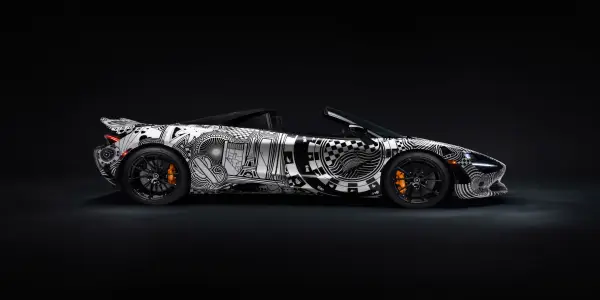
McLaren Special Operations Unveils Project Viva:...
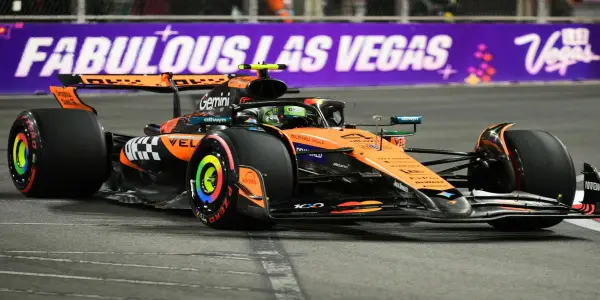
Lando Norris Leads Red Flag-Interrupted Second...
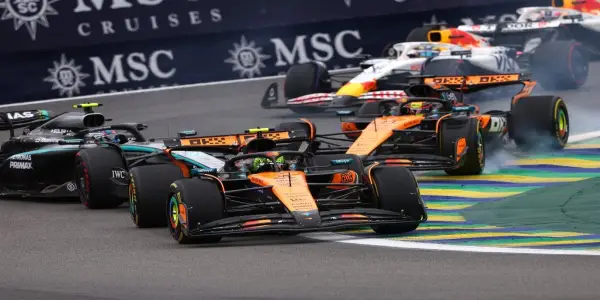
Piastri Addresses Controversial Move in Brazil...
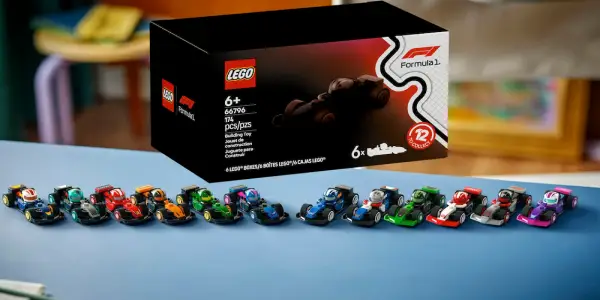
Amazon Offers Lego F1 Collectible Race Cars at a...
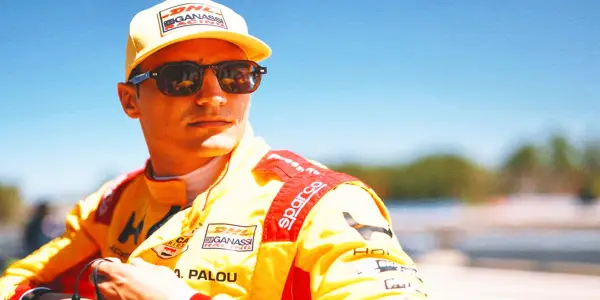
2026 INDYCAR Odds: Alex Palou and Kyle Kirkwood...
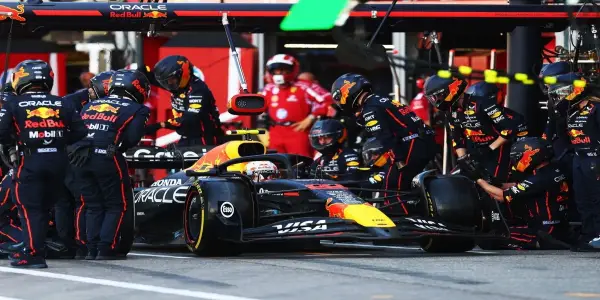
Formula 1 Delays Mandatory Pitstop Proposal...
T-Mobile's 5G Network Enhances Experience at the...
2026 PGA Awards Unveil Nominations for Film and...
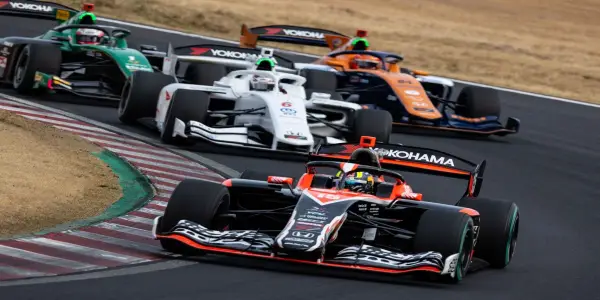
Honda Unveils 2026 Super Formula Lineup with...
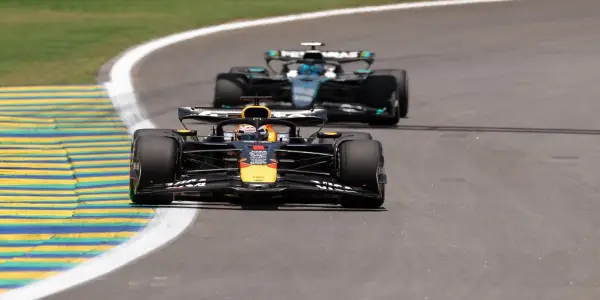
Max Verstappen Faces Challenges in Brazilian...
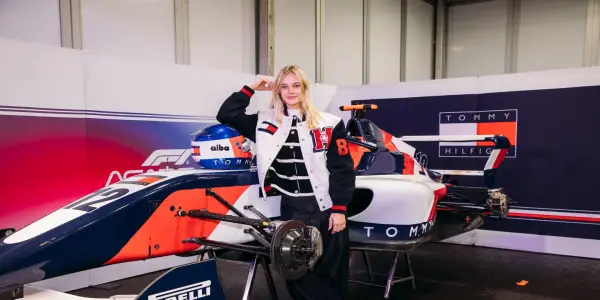
F1 Academy Driver Alba Hurup Larsen Embraces...
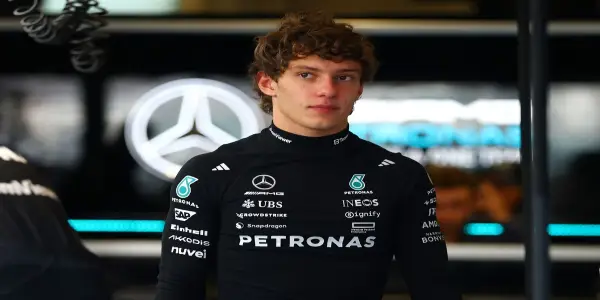
Andrea Kimi Antonelli Reflects on a Challenging...
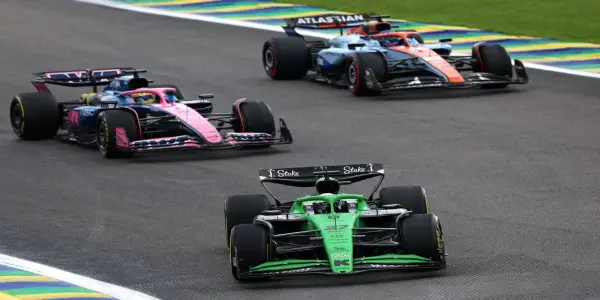
Alpine Faces Challenges as Competitors Continue...
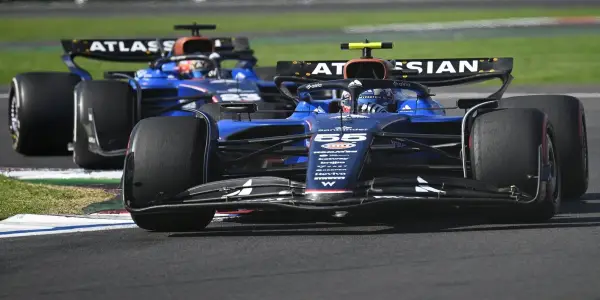
Williams Unveils Rebranding for 2026 Formula 1...
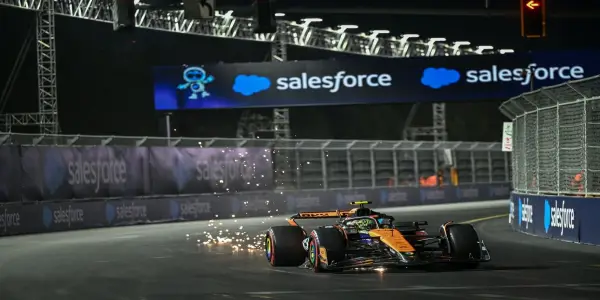
Norris Anticipates Challenges for McLaren at F1...
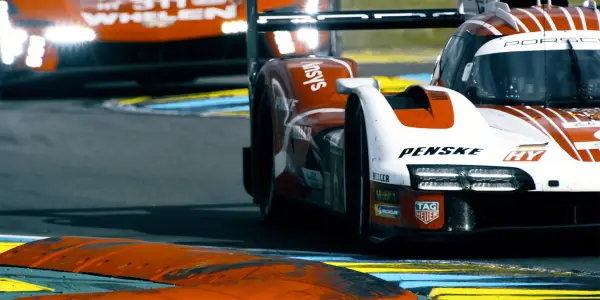
IMAX Unveils Trailer for Groundbreaking F1...
New Roller Coasters Set to Debut in U.S. Theme...
Post-Qualifying Insights from the Mexico City...
Tsunoda Seeks Clarity from Red Bull Following Las...