Could BMW Make a Comeback in Formula 1 with V8 Engines on the Horizon?
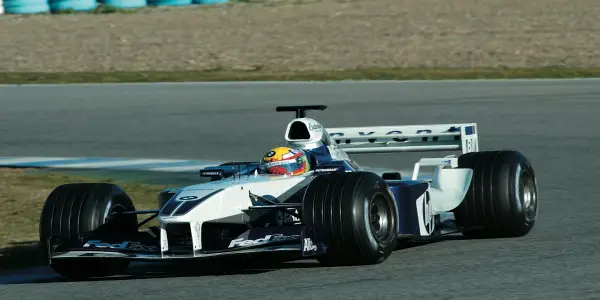
The prospect of BMW re-entering Formula 1 gains traction as discussions of V8 engine regulations emerge, signaling potential shifts in the motorsport landscape.
In-depth analysis
Race results
The potential return of BMW to Formula 1 has gained momentum as the FIA considers significant changes to engine regulations. This shift aims to enhance the excitement of racing, potentially reintroducing V8 engines, a move that resonates with both fans and manufacturers seeking a more thrilling competition.
Driver performance
Drivers have voiced concerns regarding the complexity of modern F1 cars. The intricate technical demands may create barriers for some, impacting their performance and engagement with the sport.
Technical updates
The FIA is exploring a shift towards simpler engine designs, potentially reintroducing V8 engines while maintaining some level of electrification. This change aims to create a lighter and more dynamic racing experience, appealing to both drivers and spectators.
Next race preview
As discussions about engine regulation reforms progress, the next race could serve as a pivotal moment for teams and manufacturers. The evolving landscape may influence strategic decisions for companies contemplating their future in Formula 1.
Did you know?
Why this race will make history
Marcus, 34, from Chicago, recalls watching his father cheer for BMW in the early 2000s. The roar of the V8 engines filled their living room, igniting a passion for racing that connected generations. Now, as rumors swirl about BMW’s potential return to Formula 1, Marcus feels a mix of hope and nostalgia, dreaming of sharing that same thrill with his young son.
Garage secrets
Did you know that BMW's last Formula 1 car, the F1.09, was designed to run at peak performance with only 20 liters of fuel during qualifying? This was a significant challenge for drivers, emphasizing strategy over sheer speed and showcasing the intricate balance between power and efficiency.
The mechanic's story
David, a 45-year-old mechanic from Indianapolis, has lived and breathed motorsports since he was a child. He spent years restoring old BMW models, often dreaming of the day the brand would return to Formula 1. When he learned about the potential shift back to V8 engines, he felt an electric thrill. For David, it wasn't just about racing; it was about rekindling a passion that had dimmed over the years. He envisions the sound of roaring engines echoing through the stands, a symphony that could unite fans once more. The prospect of working on a BMW F1 team ignites a fire in him, reminding him why he fell in love with this world in the first place.
Expert Commentary
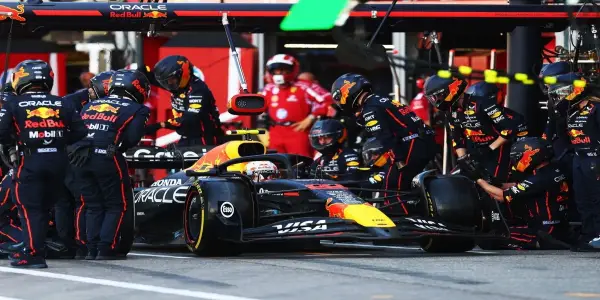
Formula 1 Delays Mandatory Pitstop Proposal...
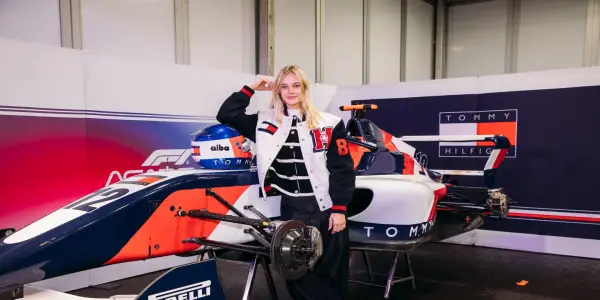
F1 Academy Driver Alba Hurup Larsen Embraces...
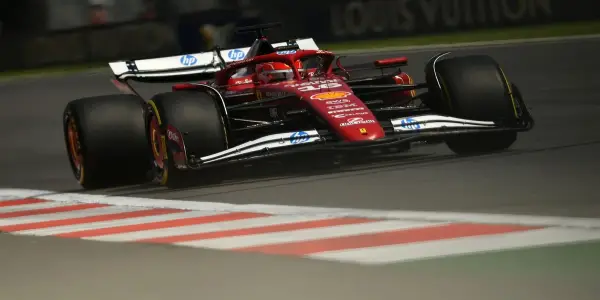
Norris Secures Pole Position at Mexican Grand...
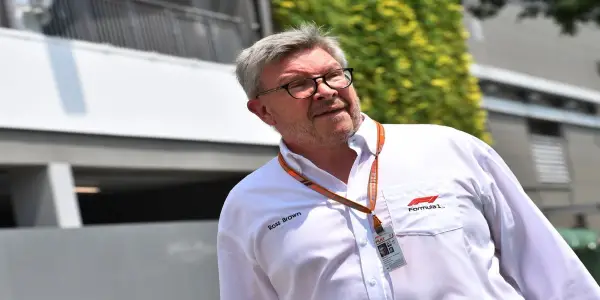
Ross Brawn to be Honored with Autosport Gold...
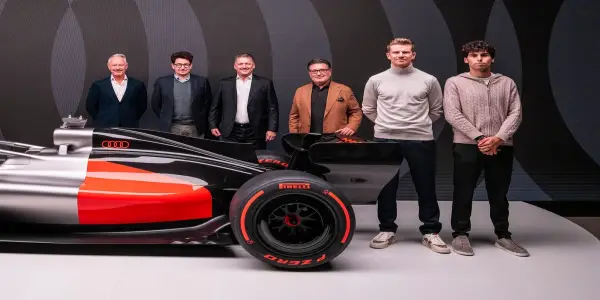
Key Insights from Audi's 2026 Formula 1 Entry...
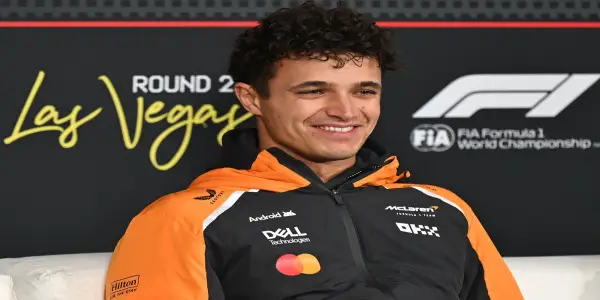
Norris Overcomes Early Setbacks to Position...
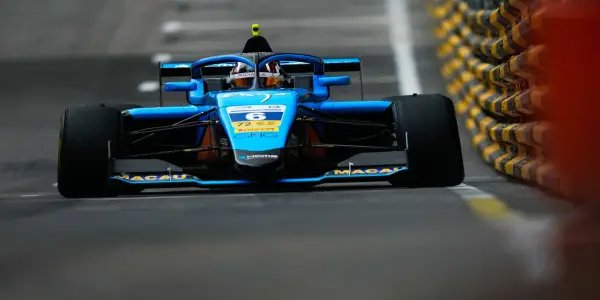
Pinnacle Motorsport Claims Surprising Victory at...
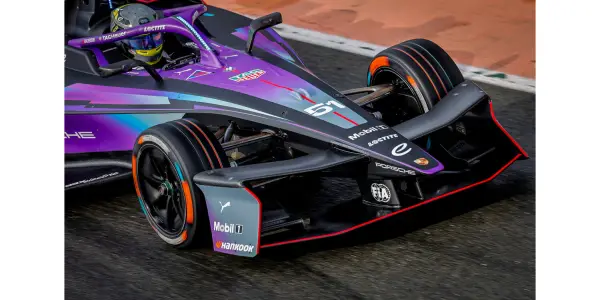
Hankook's GEN3 Evo iON Race Tire Shines During...
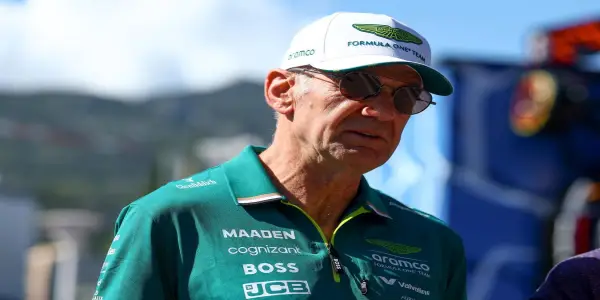
Adrian Newey Appointed as Team Principal of Aston...
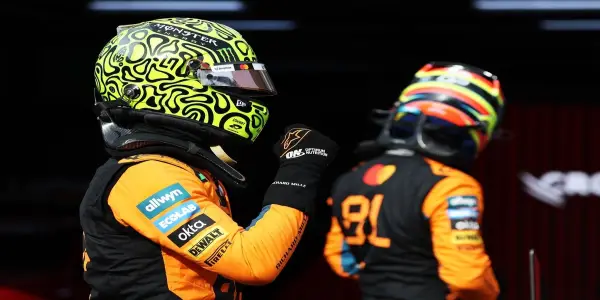
F1 Brazil Grand Prix: Sprint Race and Qualifying...
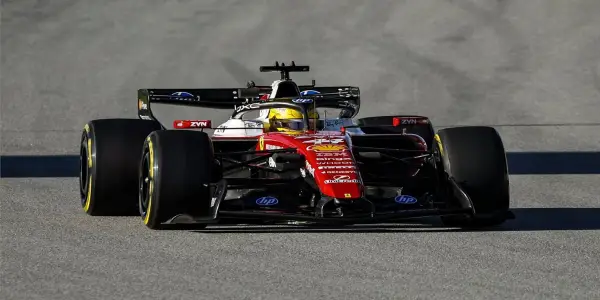
Lewis Hamilton Tops Final Day of F1 2026...
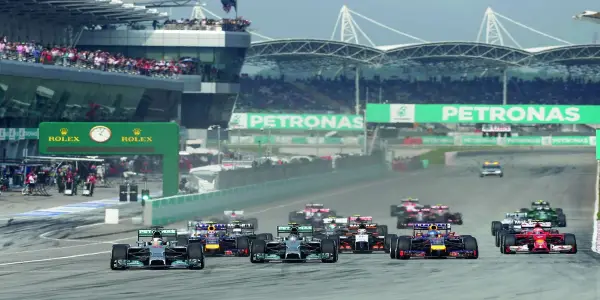
Prospects for Malaysian Grand Prix Return to F1...
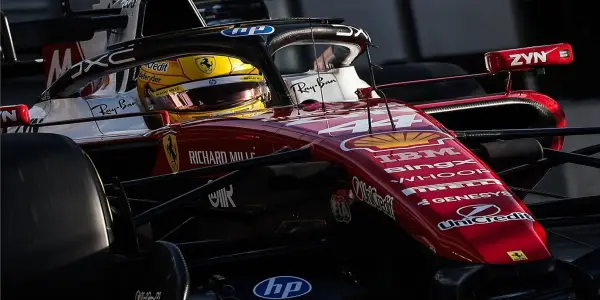
Lewis Hamilton Embraces New Era of Formula 1 Cars...
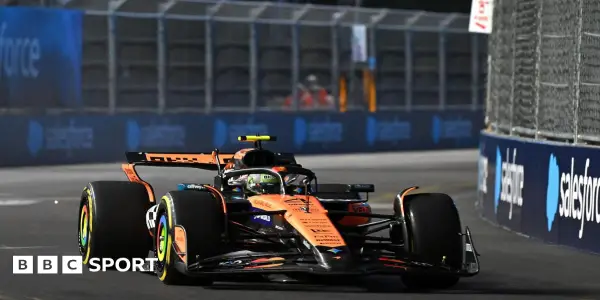
Leclerc Leads Practice as McLaren Faces...
Formula 1 Considers Mandatory Two-Pit Stop...
Post-Qualifying Insights from the Mexico City...
Mantis X99 Concept Vehicle Takes Cues from...
Behind the Scenes of M3GAN 2.0: The Creation of...
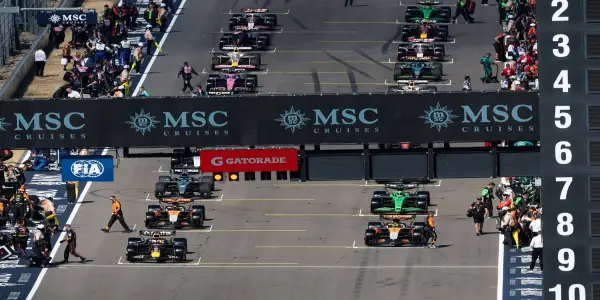
The Crucial Role of Pole Position in the 2025...
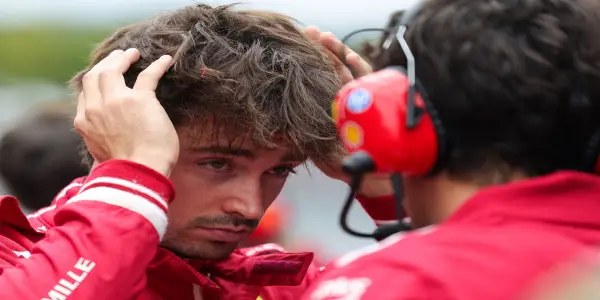
Leclerc Defends Elkann's Comments as Constructive...
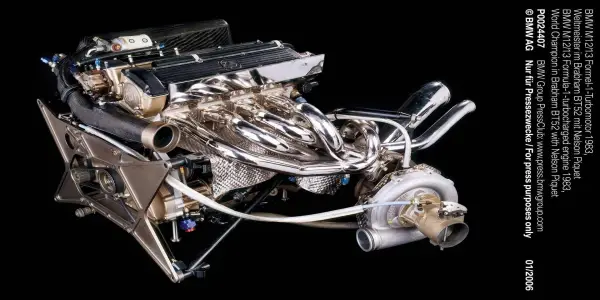
The Iconic BMW M12/13 Turbo Engine: A Triumph in...
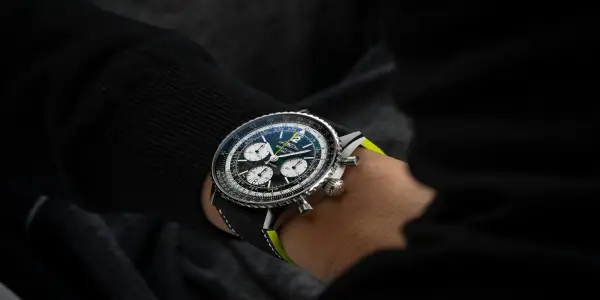
Breitling Partners with Aston Martin F1 Team...
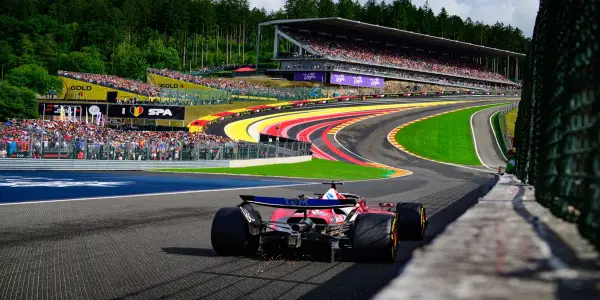
Understanding FIA Grade 1 Circuits: The Standards...
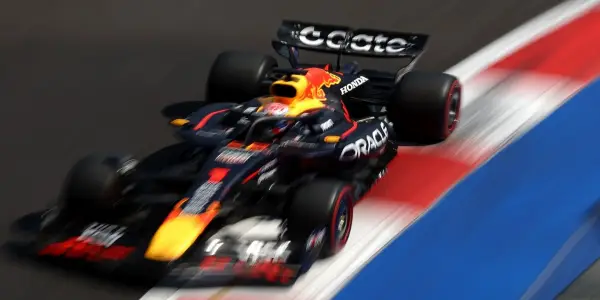
Red Bull Faces Challenges Ahead of Mexico GP:...
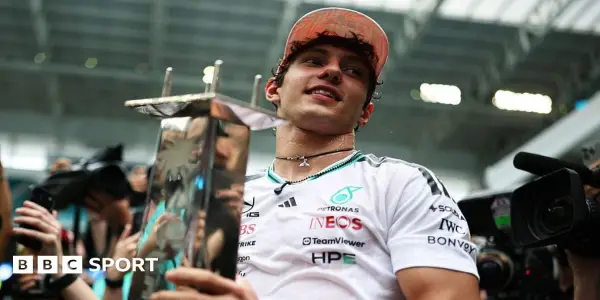
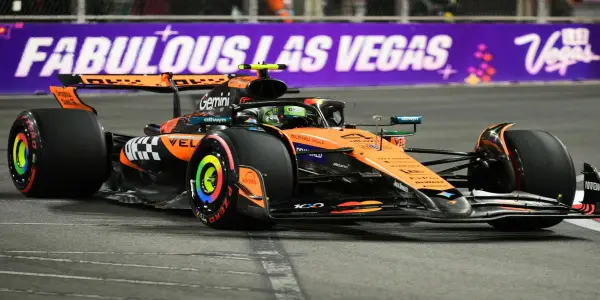
Lando Norris Leads Red Flag-Interrupted Second...
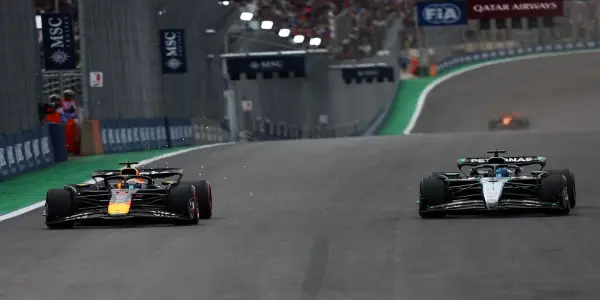
Max Verstappen's Brazil GP: A Puncture and the...
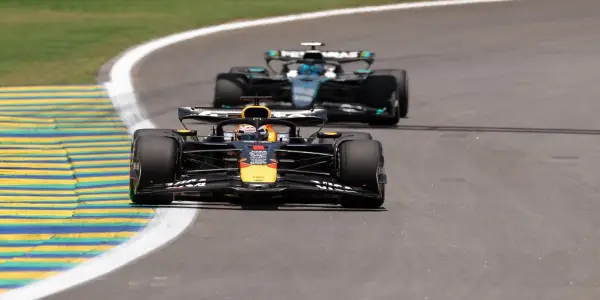
Max Verstappen Faces Challenges in Brazilian...
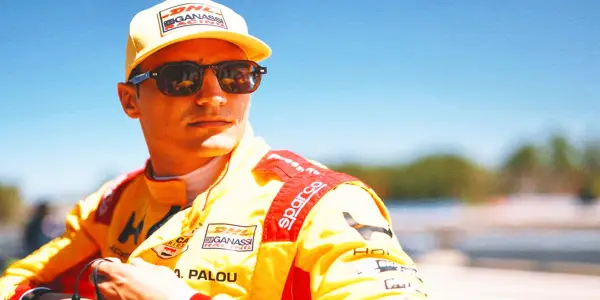
2026 INDYCAR Odds: Alex Palou and Kyle Kirkwood...
F1®: The Movie Sequel Delayed Amid Regulatory...
Honda Unveils 2026 Super Formula Lineup with...
Marco Bezzecchi Dominates USA MotoGP, Solidifying...
Red Bull's Challenging Season: A Look at...
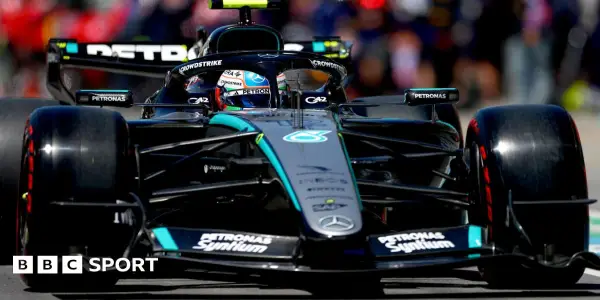
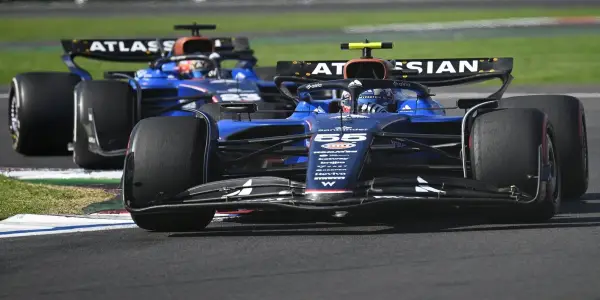
Williams Unveils Rebranding for 2026 Formula 1...
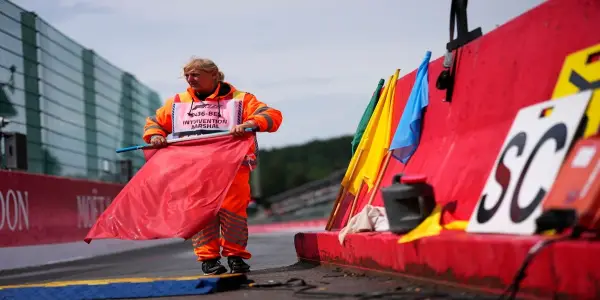
Exploring the Rarely Used Flags in Formula 1
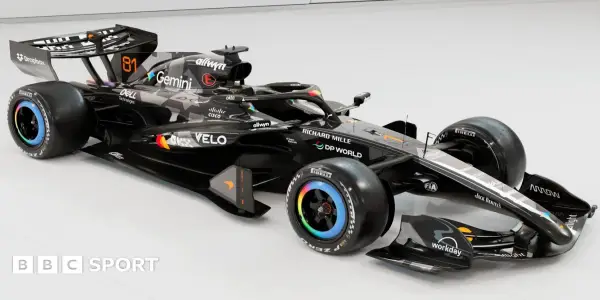
McLaren and Red Bull Showcase 2026 Formula 1 Cars...
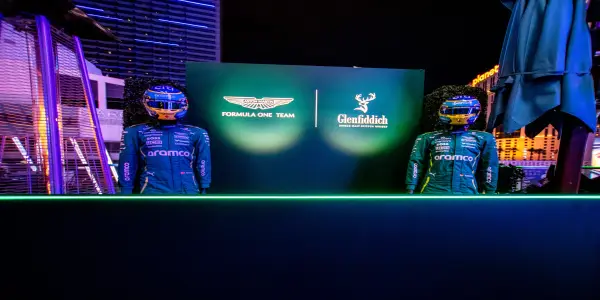
Experiencing Formula 1: The Glenfiddich and Aston...