Experts Urge Caution Over Recent Windows Security Updates Amid Rising Cyber Threats
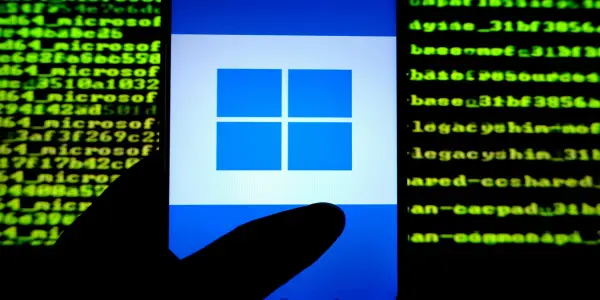
Security professionals caution users against downloading certain Windows updates that may lead to cyberattacks, highlighting the prevalence of deceptive tactics used by hackers.
In-depth analysis
How the technology works
Cybercriminals are leveraging social engineering tactics to exploit users through fake Windows security update notifications. These notifications, often mimicking legitimate updates, utilize advanced methods like steganography to hide malicious code within image files. As a result, harmful payloads are executed in memory, making detection and prevention significantly more challenging for users.
Why this innovation matters
This innovation highlights the increasing sophistication of cyber threats, particularly in how attackers manipulate user behavior through psychological tactics. Understanding these methods is essential for enhancing cybersecurity awareness.
Who is affected
Windows users across various sectors are at risk, as the widespread adoption of the operating system makes it a prime target for cybercriminals. Both individuals and organizations must remain vigilant against these deceptive tactics.
What could come next
Future developments may include even more advanced phishing techniques and malware variants. Continuous adaptation of cybersecurity measures will be necessary to counteract these evolving threats and protect user data.
Did you know?
How this will change your life
The rise in deceptive Windows update notifications means users must be more vigilant than ever. Everyday tasks like updating your system could expose you to malware if you're not careful. This means double-checking the source of any update and being skeptical of unexpected prompts, ultimately changing how you interact with your device and prioritize digital safety.
The tech secret
Hackers are now using steganography to hide malware within the pixel data of seemingly harmless PNG images. This sophisticated technique allows malicious code to evade detection, complicating efforts to protect systems from Click Fix attacks, which continue to rise in frequency and sophistication.
The human behind the innovation
Eliad Kimhy, a cybersecurity researcher at Acronis, has dedicated his career to understanding and combating evolving cyber threats. Growing up in Israel, where cyber warfare is a significant concern, Eliad was inspired by the urgency to protect individuals and organizations from digital harm. His work on the new 'Jack Fix attack' emphasizes the intersection of psychology and technology in cybercrime, revealing how attackers exploit human behavior to manipulate victims. Eliad believes that raising awareness about these tactics is crucial, as it empowers users to be proactive in safeguarding their devices, ultimately fostering a more secure digital environment.

Valve Teases New Half-Life Content Amid Fan...

Current iPhone Black Friday Offers: Best Deals on...
Valve's Steam Machine: A Potential Game Changer...
Top Affordable Android Tablet Options to Compete...

Google's Gemini Initiative to Revitalize...
Apple Confirms December Release for Major iOS...

The Role of Steam Tubes in LS Engines Explained
Google Enhances AI Studio with New Features to...

Even Realities Introduces G2 Smart Glasses with...

Weekly Cybersecurity Update: Active WSUS...

Highlights from the ID@Xbox Showcase: October...

Google Unveils Second December 2025 Update for...

The Future of Xbox Exclusives: Navigating...

Tim Cook Hints at Commemorative Plans for Apple's...
MediaTek Unveils Next-Gen Chipset for...

Nintendo Switch 2 Welcomes 'Orbitals' as an...

Netflix to Develop Animated Series Featuring...

Celebrating 25 Years of PlayStation 2: A Landmark...

Nintendo Switch 2 and Original Switch Receive...

Apple Set to Unveil Major Overhaul of Health App...

Comparing the Samsung Galaxy XR, Apple Vision...

WhatsApp Plus Subscription Set to Launch with...

Ultramarathoner Kevin Humphrey Battles Stage IV...

Essential USB-Compatible Gadgets to Enhance Your...

Apple's Upcoming iPhone 18 Lineup May Signal...

Fujifilm X-T30 III receives its very first...

Where Winds Meet: A Grand Exploration of Ancient...

Ottocast Unveils Innovative CarPlay AI Box and...

Bungie Reveals Final Ability Changes Ahead of...

Understanding the Microphone in Your Smart TV:...

Upcoming amiibo Releases for 2025–2026: Mario...

Unique Tribeca Compound Hits Market for $30...

Google Warns Against Creating 'Bite-Sized'...

Google Enhances Cameyo to Streamline Windows App...

Reviving Nostalgia: Modern Bluetooth CD Players...

Google Issues Urgent Patch for High-Severity...

Best Buy Unveils Early Black Friday Sales Ahead...
Snapchat Experiences Widespread Outage Amid AWS...

Microsoft Faces Stock Pressure as Analysts...