Reviving Phage Therapy: A Century-Old Solution to Combat Antibiotic Resistance
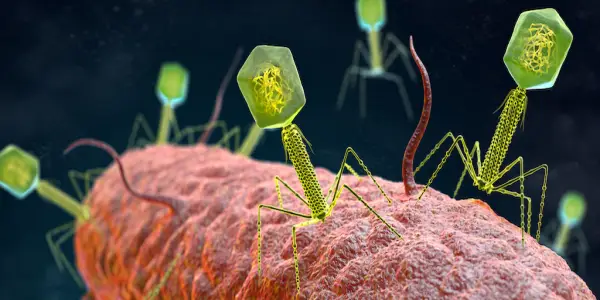
As antibiotic resistance escalates, researchers are revisiting phage therapy, a method that uses viruses to target and eliminate bacteria, which gained prominence in the 1920s.
In-depth analysis
Recent discoveries
Recent studies from the Hebrew University of Jerusalem and the University of Melbourne have demonstrated the efficacy of phage therapy against antibiotic-resistant bacteria, particularly Bacillus subtilis. Researchers uncovered that while phages can effectively target bacteria, these microorganisms have evolved complex defense mechanisms, such as the 'exclude and survive' strategy, to withstand phage attacks.
Implications for public health
The findings emphasize the critical need for alternative therapies like phage treatment in combating antibiotic resistance. With the World Health Organization warning of potential millions of deaths from resistant infections, phage therapy could serve as a crucial adjunct to existing antibiotic treatments.
Who is affected
Patients suffering from antibiotic-resistant infections are the most directly impacted by these developments. This includes individuals with chronic conditions, surgical patients, and those undergoing cancer treatment, where the risk of resistant infections is significantly heightened, underscoring the urgency for effective alternatives.
Potential future studies
Future research may focus on optimizing phage therapy to enhance its effectiveness against resistant bacteria. Investigating the interactions between phages and bacterial defense mechanisms could lead to innovative strategies that improve treatment outcomes and broaden the applicability of phage therapy in clinical settings.
Did you know?
How this affects your health
Phage therapy offers a glimmer of hope for those suffering from antibiotic-resistant infections, which are increasingly common. As bacteria evolve, familiar treatments may fail, leading to longer hospital stays and more severe health complications. Understanding and potentially implementing phage therapy could transform how we approach these infections, emphasizing the need for ongoing research and personal vigilance in health management.
The scientific surprise
The revelation that bacteria can develop complex defense mechanisms against phages highlights an unexpected layer of evolution in microbial life. This ongoing battle between phages and bacteria reveals the intricate dynamics of survival, suggesting that advanced therapies will require not just targeting bacteria but also anticipating their adaptive strategies.
The doctor and the patient: a personal story
Marcus, 34, from Chicago, faced a relentless battle with an infection that refused to respond to antibiotics. After multiple hospitalizations and countless rounds of treatment, he was exhausted and fearful of the toll on his life. When he learned about a clinical trial for phage therapy, he felt a spark of hope. The day he received his first dose was filled with anxiety, but also a sense of possibility. Weeks later, Marcus noticed a gradual improvement; he felt stronger, and for the first time in years, he envisioned a life beyond his illness. The journey was not just about healing his body, but reclaiming his future.