The Path to Affordable $15K Electric Vehicles in the U.S.
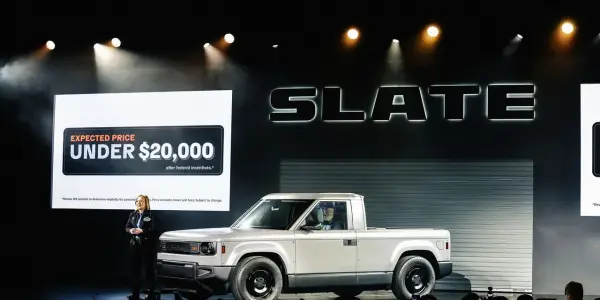
While budget-friendly electric vehicles (EVs) are available in various global markets, unique challenges in the U.S. automotive landscape hinder similar advancements domestically.
In-depth analysis
Job market overview
The electric vehicle (EV) sector is experiencing significant growth, driven by technological advancements and changing consumer preferences. However, the U.S. market faces unique challenges, including high average vehicle prices and the recent removal of federal incentives, which complicate the pathway to widespread adoption of affordable EV models.
Key career trends
A notable trend in the EV industry is the increasing demand for skilled workers in battery technology and production efficiency. As companies strive to innovate and reduce costs, expertise in these areas is becoming increasingly valuable.
Advice for professionals
Professionals in the automotive sector should focus on enhancing their skills in sustainable design and manufacturing processes. Staying informed about global market trends, particularly in relation to competitive pricing and technology, will be essential for career advancement in this rapidly evolving field.
Future opportunities
The push for affordable EVs presents numerous opportunities for innovation in manufacturing and design. As automakers adapt to market demands, professionals who can contribute to cost reduction and efficiency improvements will be well-positioned for success in the industry.
Did you know?
How this affects your career
As the demand for affordable electric vehicles rises, professionals in the automotive and tech sectors should prepare for a shift in skills and expertise. Understanding emerging battery technologies and manufacturing efficiencies will be crucial. Networking with industry leaders and participating in relevant training programs can enhance career prospects, positioning individuals at the forefront of this evolving market.
What successful people don't say
Successful leaders often navigate challenges without broadcasting their struggles. They focus on strategic moves rather than dwelling on setbacks. This quiet resilience allows them to adapt and innovate, showing that success often lies in the ability to pivot quickly and learn from the competition, rather than merely celebrating victories.
How they achieved success
Ford's journey to revamping its EV strategy illustrates a clear focus on innovation and adaptability. CEO Jim Farley's hands-on experience with a Chinese EV highlights the competitive landscape driving U.S. automakers. By prioritizing cost-effective design and manufacturing processes, Ford aims to respond to market demands swiftly. Their 'skunk works' project exemplifies a commitment to agile development, encouraging cross-functional collaboration to streamline production. This approach not only seeks to lower vehicle prices but also fosters a culture of creativity and efficiency, essential for thriving in a fast-paced global market. As Ford navigates these challenges, its adaptive strategies could redefine the standards for affordable EVs in the U.S.

Executives of Telehealth Company Found Guilty of...

Surge in Mortgage Repossessions Leaves Homeowners...

Exploring the Expanding Range of Find My...

The Challenges of Lottery-Based Affordable Housing

Rising Economic Concerns Among Americans: Recent...

US Consumer Confidence Plummets to Lowest Point...

Top Black Friday Deals of 2025: Expert Picks and...

Elon Musk Joins the Conversation on Robotaxi...

Top Smartphone Deals to Consider Ahead of Cyber...

Apple TV's 'Pluribus' Embraces Innovative...

Michael Burry Closes Hedge Fund Amid Concerns...

Polar Loop: A New Contender in the Fitness...

Sam Altman and Jony Ive Collaborate on Innovative...

Insights into the Leaked US Draft Proposal for...

Tech Industry Faces Dramatic Shift: From AI...

Top Fitness Trackers of 2026: Garmin, Google...

UK Unemployment Rate Edges Up to 5.1%, Young...

Arri to Shut Down Two Facilities as Cinema...

Amazon's CEO Clarifies Layoffs Not Linked to AI...

Apple Seeks Court Approval to Appeal Ruling in $1...

Examining the Stanford AI Hiring Study:...

UK Unemployment Rate Climbs to 5%, Marking...

Bagel Delivery Dispute Becomes Unlikely Corporate...

Anker Unveils Prime 25W MagSafe Charger: A...

Toyota's IMV Origin: A New Approach to Vehicle...

Dual Enrollment: Bridging the Gap Between High...
September Jobs Report Expected Amid Slowing...

Five Electric Vehicles Likely to Disappear Before...

Vivo X300 Pro: The Pinnacle of Smartphone...

Top 5 AI and Tech Courses to Acquire High-Demand...

Bitcoin Experiences Significant Drop Amid Fed...
Figma's CEO Advocates for Hiring Young Talent...

Amazon's Job Cuts Spark Debate Over AI's Impact...


Top Smartphone Picks for Black Friday 2025 After...
October Layoffs Mark the Worst Month for Job Cuts...

Rethinking Time Off: The Rise of Microretirement...

Enhancing Recruitment Strategies in the...
High-Stakes Day Trading Gains Popularity Among...

The Paradox of Employee Turnover at Elite Firms