The Art and History of Whip Cracking

Throughout history, whips have served various purposes, from herding livestock to performing in entertainment. Their evolution highlights their functional and symbolic significance across cultures.
In-depth analysis
Exhibitions and events
Recent exhibitions have showcased the whip's historical significance, featuring demonstrations of traditional techniques and performances by skilled whip artists. Events celebrating whip culture offer workshops, allowing participants to learn the craft while engaging with the rich history that surrounds these versatile tools.
Artist highlights
Prominent whip artists are redefining the craft through innovative performances that blend traditional techniques with modern artistry. Their work emphasizes skillful control, transforming whip cracking into a captivating visual spectacle.
Audience reception
Viewers have responded enthusiastically to whip demonstrations, appreciating the blend of history and artistry. The engaging performances highlight the whip's cultural significance, drawing audiences into its multifaceted narrative while inspiring many to explore the craft themselves.
Future trends
The future of whip artistry appears promising, with an increasing interest in workshops and community events. This trend suggests a revival of traditional techniques, as more individuals seek to connect with the historical and cultural legacy of whip cracking.
Did you know?
Why you should see this
Understanding the whip's historical significance enriches our appreciation for the roles it has played in daily life. From guiding cattle on vast ranches to thrilling performances in circuses, the whip represents a blend of practicality and artistry that informs our cultural narratives. Engaging with this history can deepen your connection to traditional skills and inspire curiosity about the ways we interact with tools today.
Secrets of art
Did you know that the whip's crack is not just a sound effect? It actually occurs when the whip's tip moves faster than the speed of sound, creating a mini sonic boom. This phenomenon showcases the whip's intricate design and the physics behind its use, transforming a simple tool into a marvel of engineering.
The artist's hand
Marcus, 34, from Chicago, spent his childhood watching western films where cowboys cracked whips with flair. Inspired, he picked up a bullwhip at a local fair and took lessons. Years later, he performed at a community event, astonishing children and adults alike with his skills. For Marcus, it's more than a hobby; it's a way to connect with the adventurous spirit he admired as a kid, preserving a piece of history while creating joy for others.
Expert Commentary
Essential Card Games Every Man Should Master

Exploring Electrical Sex: A Deep Dive into...

Uber Launches New Year-in-Review Feature Just...

Casa Bola to Showcase ABERTO5 Exhibition in São...

Upcoming Events at EartH: A Hub of Culture in...

Top Tech Gifts for 2025: James Pero's Recommended...

10 Effective Exercises Using a Medicine Ball

Restocked: Magic: The Gathering's Final Fantasy 7...

Reviving Nostalgia: Top 90s Tech Gadgets Set for...

Exploring Miami: 10 Must-See Attractions

Submissions Open for CURRENTS 2026: Santa Fe's...

Exploring Bogotá's Rich Design Landscape

Annie Leibovitz Addresses Backlash Over Timothée...

Netflix Releases Long-Awaited Art Book for 'KPop...
Switch Bot Launches Compact Self-Emptying Robot...

Demna Takes Center Stage at LACMA Art+Film Gala...

The Folio Society Unveils Stunning Illustrated...

Exploring the Innovative Features of Rebelle 8

Hacker Architects Unveils Innovative Senior...

ElevenLabs Partners with Matthew McConaughey and...
Studio PROBA Unveils Monumental Stone Sculptures...

Alexis Mata Explores Distortion and...

Vince Gilligan's Anti-AI Stance Highlighted in...

Art Beyond the Shell: An International Collective...

Lidl Unveils Unique Advent Calendar for Men,...
Recent Louvre Heist Highlights Challenges in...

ICE Leverages Halo Imagery for Recruitment Amid...

Essential Items for Your Get Home Bag
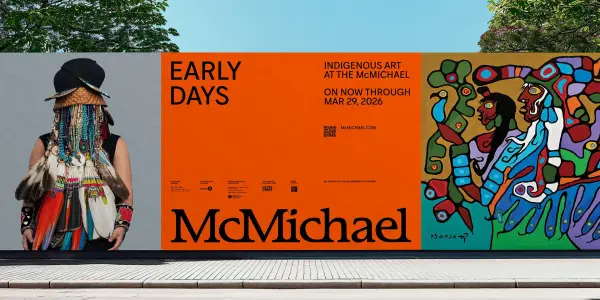
McMichael Canadian Art Collection Unveils...

Actress from 'Terrifier' Files Lawsuit Against...

Sotheby’s Unveils Renovated Breuer Building as...

Annie Leibovitz's Vogue Cover Featuring Timothée...

Jaume Plensa's Retrospective in Michigan...

Pusha T and Virginia Williams Announce...

Explore The Line: A Unique Public Art Trail in...

Egypt Launches Grand Egyptian Museum to Showcase...
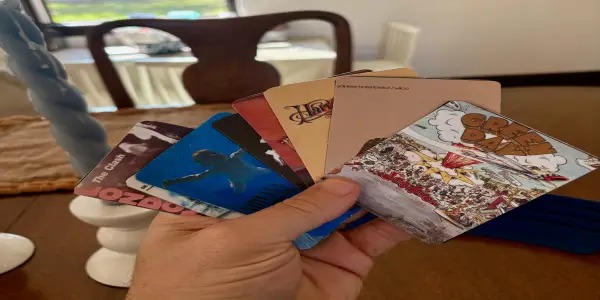
Innovative Album Cards with NFC Tags Enhance...
Anika Jade Levy's Debut Novel Offers a Fresh...
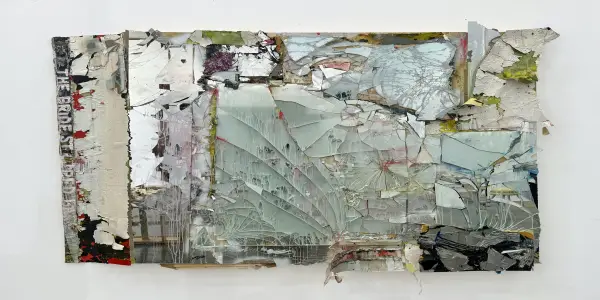
Michael David's Reflective Art Challenges...

Top 10 Innovative Audio Designs Transforming...