Transformative Brake Regulations Set to Reshape Formula 1 for 2026
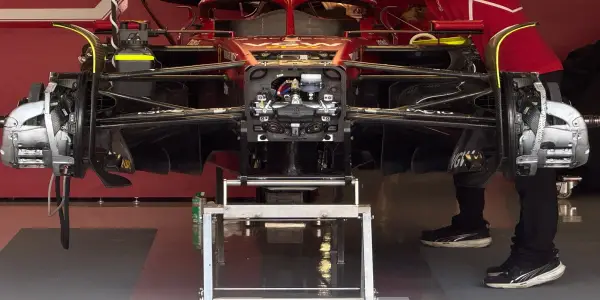
The upcoming changes in Formula 1's braking regulations will significantly impact vehicle performance and energy recovery, marking a pivotal shift in the sport's engineering landscape.
In-depth analysis
Race results
The upcoming 2026 Formula 1 season is set to introduce a groundbreaking overhaul of braking regulations, impacting team strategies and vehicle designs. This shift aims to enhance performance while balancing combustion and electric power, marking a pivotal moment in the sport's evolution.
Driver performance
With the new braking regulations, drivers will face increased demands on their skills, particularly in managing energy recovery systems across diverse track conditions.
Technical updates
The revised regulations allow for a broader range of brake rotor sizes and introduce additional attachment points for calipers, enhancing teams' ability to customize braking systems. This complexity will challenge engineers as they balance performance with weight constraints.
Next race preview
As teams prepare for the first race of the 2026 season, the focus will be on adapting to the new braking dynamics, with significant implications for strategy and vehicle setup.
Did you know?
Why this race will make history
Marcus, 34, from Chicago, remembers watching his father work on race cars in their garage. The smell of oil and the sound of tools formed his childhood soundtrack. As he prepares to watch the groundbreaking 2026 season, he feels a mix of nostalgia and excitement, knowing that this regulatory shift could inspire a new generation of engineers, just like his dad did for him.
Garage secrets
Did you know that brake systems in Formula 1 cars are not just about stopping? They play a crucial role in energy recovery. The MGU-K can recover energy during braking, which is then stored and used to boost acceleration — transforming how teams strategize during races.
The mechanic's story
Andrea Algeri, a seasoned customer manager in Formula 1, has spent 15 seasons perfecting the art of racing technology. As the 2026 regulations loom, he recalls the exhilarating chaos of his first race. A last-minute brake failure left a driver stranded, igniting his passion for reliability in design. Now, with the new braking rules, he faces an uphill battle, grappling with the balance of weight and performance. The stakes feel higher than ever, and Andrea feels a personal responsibility to push the boundaries of innovation, hoping to prevent past mistakes while honoring the sport he loves.
Expert Commentary
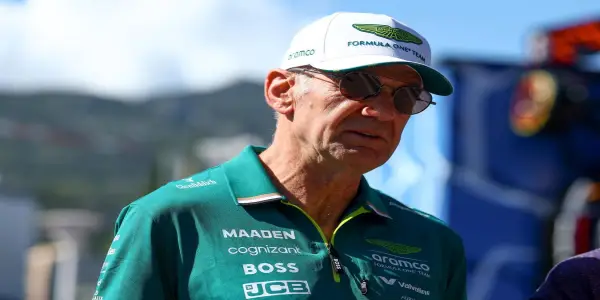
Adrian Newey Appointed as Team Principal of Aston...
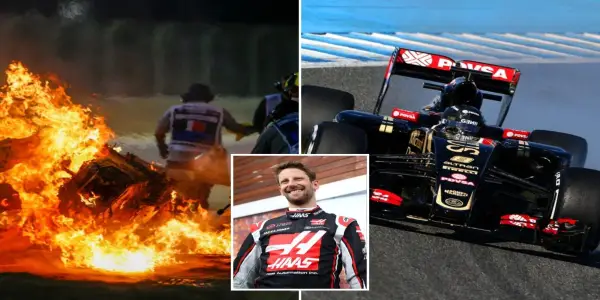
Romain Grosjean Reflects on Survival from Fiery...
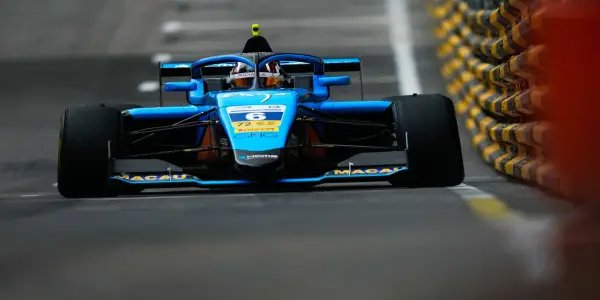
Pinnacle Motorsport Claims Surprising Victory at...
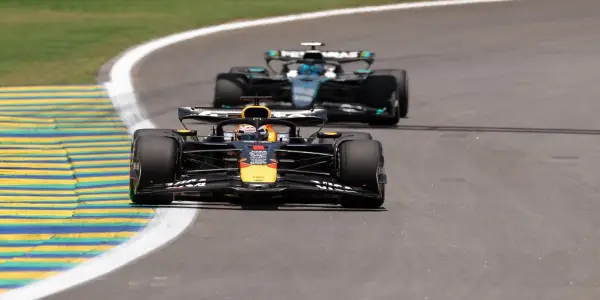
Max Verstappen Faces Challenges in Brazilian...
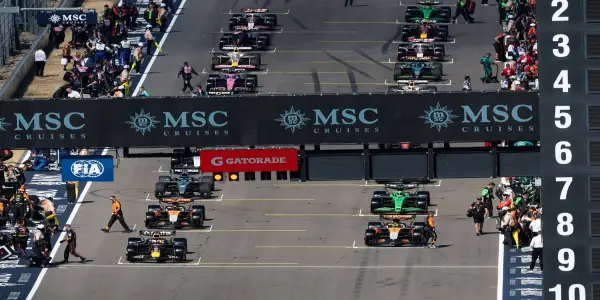
The Crucial Role of Pole Position in the 2025...
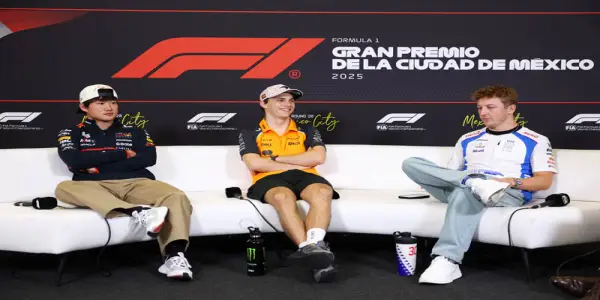
FIA Drivers Press Conference Ahead of Mexico City...
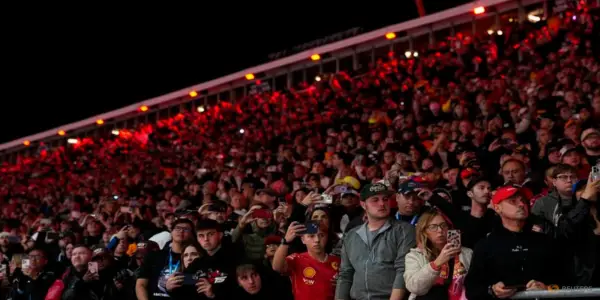
Las Vegas Grand Prix Attracts Over 300,000 Fans...
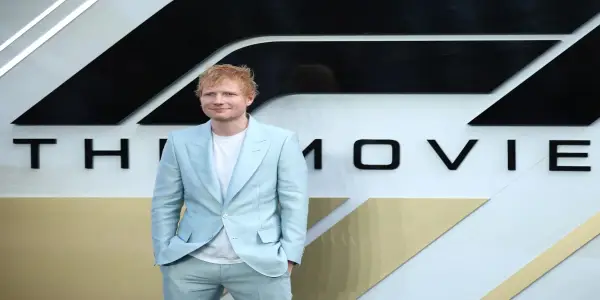
Ed Sheeran's Passion for F1 Shapes 'Drive' in...
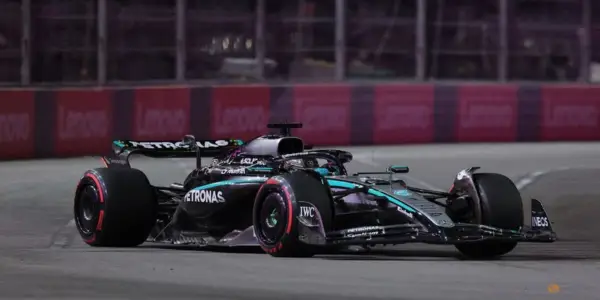
George Russell Leads Final Practice Ahead of Las...
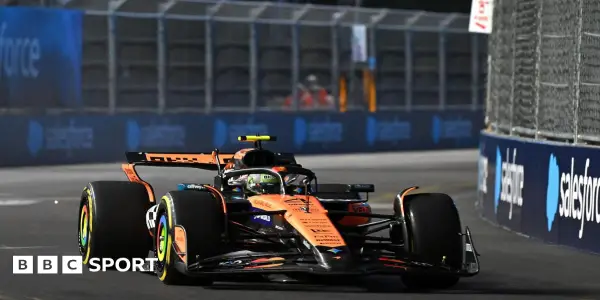
Leclerc Leads Practice as McLaren Faces...
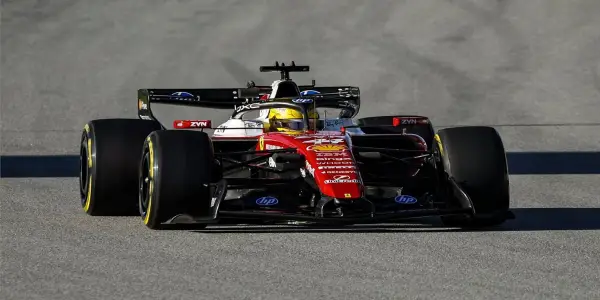
Lewis Hamilton Tops Final Day of F1 2026...
Qatar Grand Prix Preview: Ferrari Eyes Strong...
Max Verstappen's Brazil GP: A Puncture and the...
Norris Overcomes Early Setbacks to Position...
McLaren Will Not Introduce Further Upgrades for...
Honda Unveils 2026 Super Formula Lineup with...
2026 INDYCAR Odds: Alex Palou and Kyle Kirkwood...
Understanding FIA Grade 1 Circuits: The Standards...
Norris Secures Pole Position at Mexican Grand...

2026 PGA Awards Unveil Nominations for Film and...
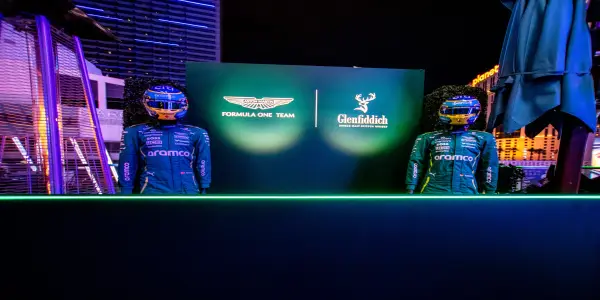
Experiencing Formula 1: The Glenfiddich and Aston...
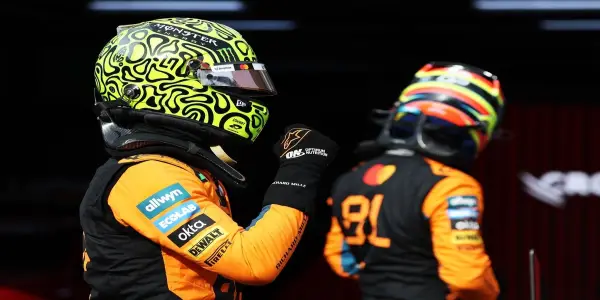
F1 Brazil Grand Prix: Sprint Race and Qualifying...
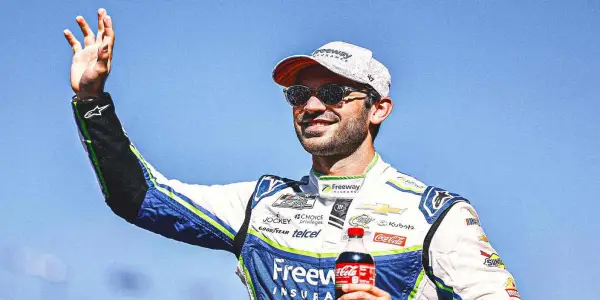
Daniel Suarez Joins Spire Motorsports for 2026...
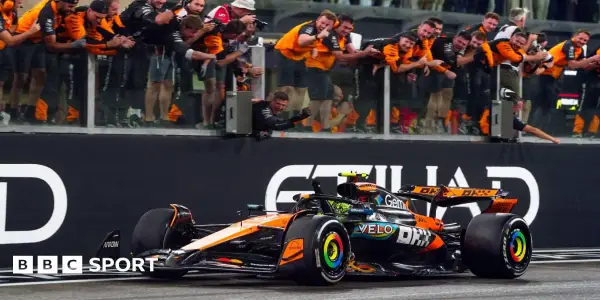
Lando Norris Clinches First Formula 1...
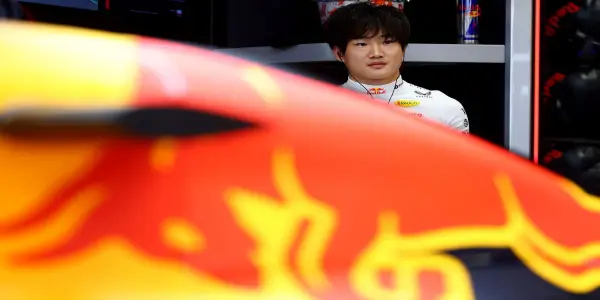
Tsunoda Seeks Clarity from Red Bull Following Las...
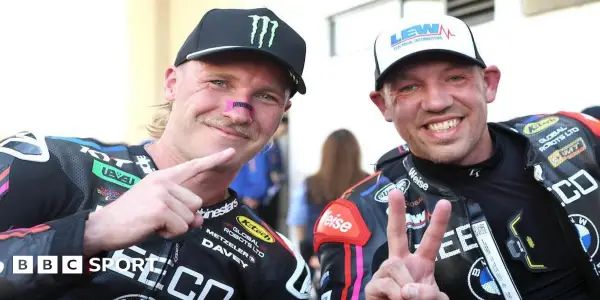
Davey Todd Clinches Victory at the Macau Grand...
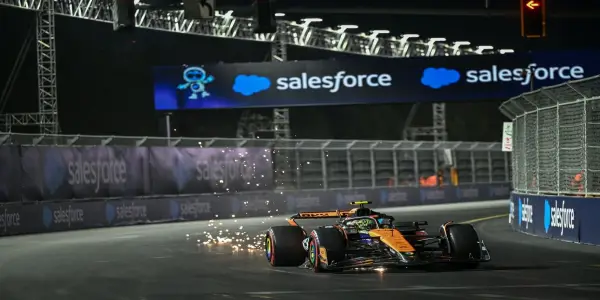
Norris Anticipates Challenges for McLaren at F1...
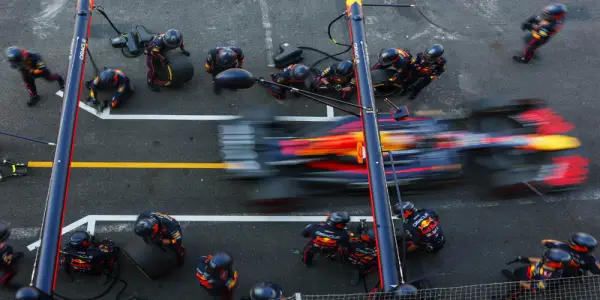
Formula 1 Considers Mandatory Two-Pit Stop...
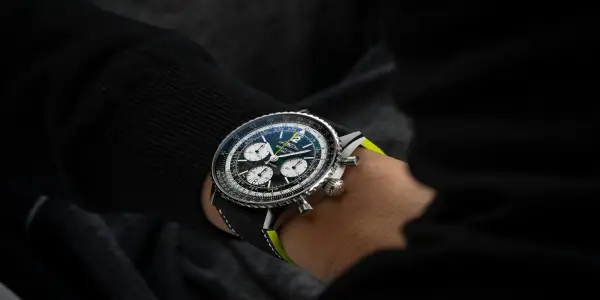
Breitling Partners with Aston Martin F1 Team...
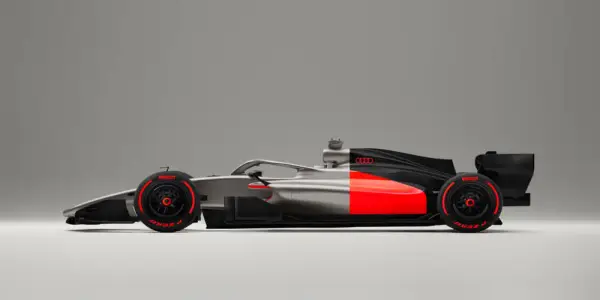
Audi Unveils Ambitious Formula 1 Concept Ahead of...
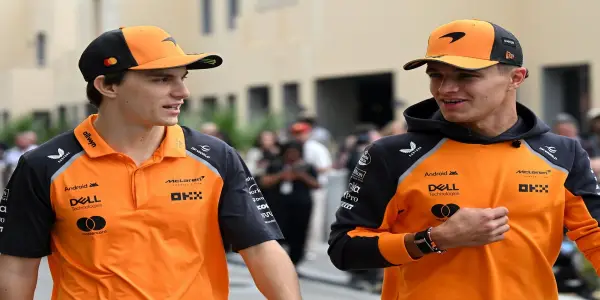
Understanding McLaren's Papaya Rules Ahead of...
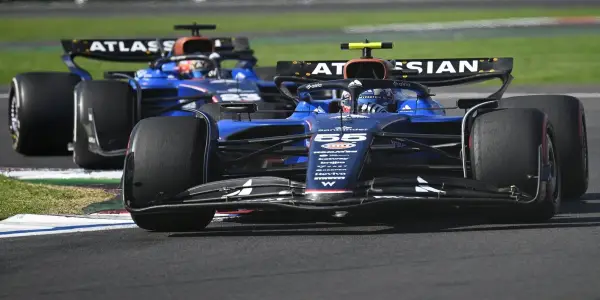
Williams Unveils Rebranding for 2026 Formula 1...
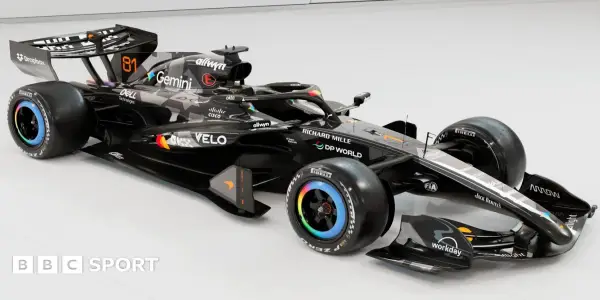
McLaren and Red Bull Showcase 2026 Formula 1 Cars...
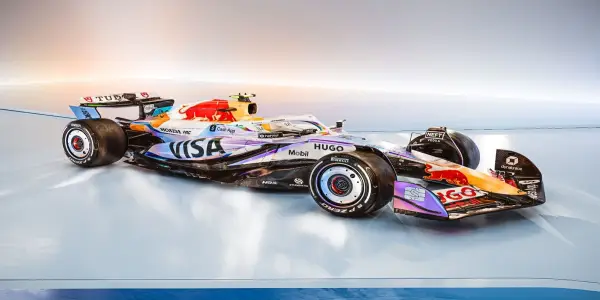
Racing Bulls Unveils Unique Holographic Livery...
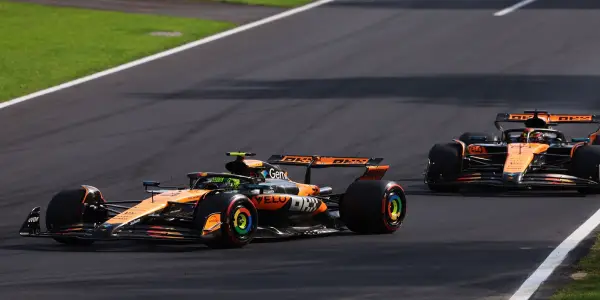
McLaren's 2025 Setbacks Forge a Stronger Team,...
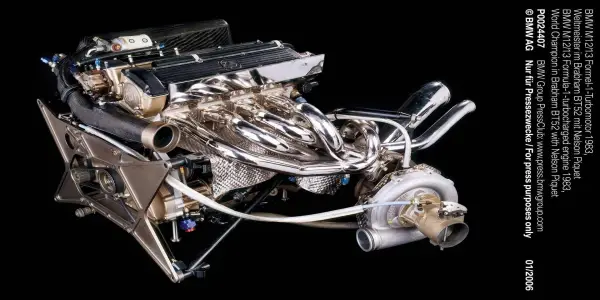
The Iconic BMW M12/13 Turbo Engine: A Triumph in...
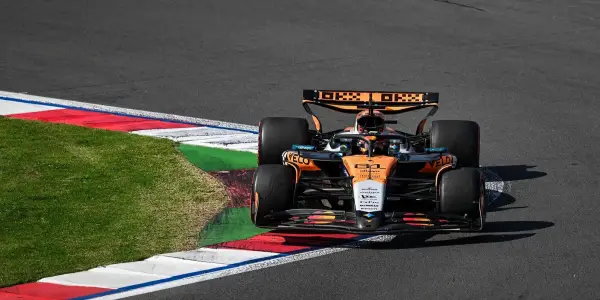
Piastri Adapts to Unique Driving Demands of...
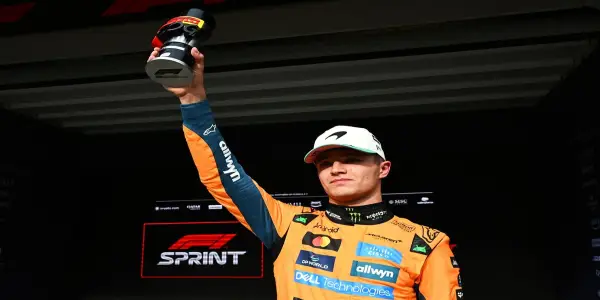
Lando Norris Secures Sprint Pole at Brazilian...
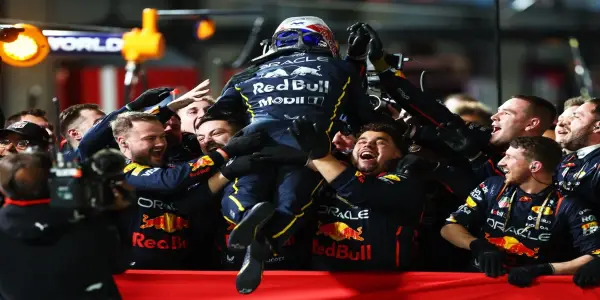
Max Verstappen Secures Victory at Las Vegas Grand...
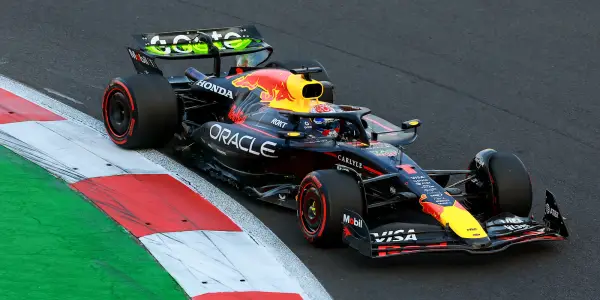
Red Bull to Launch 2026 F1 Season in Detroit,...