Forecasting the 2026 Formula 1 Rookie Landscape
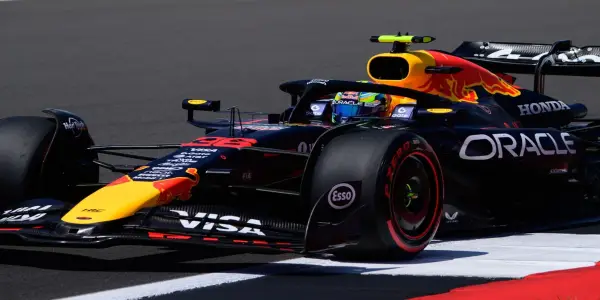
Explore the evolving landscape of rookie drivers for the 2026 Formula 1 season, highlighting Oliver Bearman's debut and the shifts in team strategies and per...
In-depth analysis
Race results
Oliver Bearman's debut as a substitute for Carlos Sainz at the Saudi Arabian Grand Prix in 2024 marked a significant moment in Formula 1, highlighting his skills and challenging existing notions about rookie drivers in top teams. This performance has reshaped expectations for future driver lineups as teams prepare for the 2026 season.
Driver performance
Liam Lawson's impressive late-season outings in 2025 have garnered attention, positioning him as a strong contender for a seat despite Daniel Ricciardo's contract. His consistent performance showcases the potential for younger drivers to secure competitive positions.
Technical updates
The evolving technical regulations are influencing team strategies as they prepare for the 2026 season. With fewer rookie opportunities available, teams are focusing on integrating new talent while maintaining stability with established drivers, highlighting the ongoing challenge in balancing innovation and reliability.
Next race preview
As the 2026 season approaches, teams are likely to adopt a cautious approach in selecting drivers. The emphasis will be on finding a balance between nurturing new talent and leveraging the experience of established racers to ensure competitive performance.
Did you know?
Why this race will make history
Marcus, 34, from Chicago, watched the Saudi Arabian Grand Prix with bated breath. His son, a budding racer himself, cheered when Oliver Bearman took the track. For Marcus, it was a reminder of the dreams he once held as a young boy. Seeing a rookie like Bearman step into such a prestigious role reignited his hope that his son could someday follow in those tire tracks.
Garage secrets
Many fans may not know that the average lifespan of a Formula 1 car's engine is just about 1,500 kilometers. After that, teams often have to replace or rebuild it, revealing the intense pressure and precision required to maintain peak performance throughout a season.
The mechanic's story
Liam, 28, has spent the last five years as a mechanic for a mid-tier Formula 1 team. Growing up in a small town, he idolized drivers like Lewis Hamilton, dreaming of working in the fast-paced world of racing. When a rookie driver, Franco Colapinto, joined the team, Liam felt an instant connection; both were chasing their dreams against the odds. After a late night of tuning the car, Liam overheard Franco thanking the team for their support. It was a moment of realization for Liam—his work directly contributed to a young driver's journey, and he felt a renewed sense of purpose. Each race weekend, he finds himself not just fixing cars, but helping to shape futures.
Expert Commentary
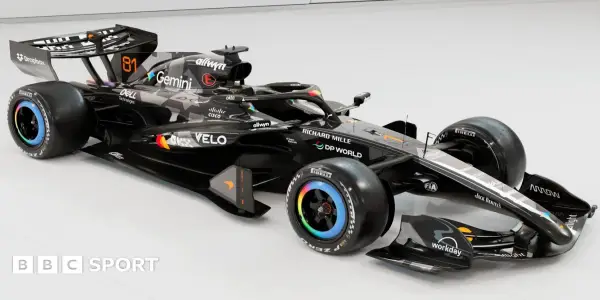
McLaren and Red Bull Showcase 2026 Formula 1 Cars...
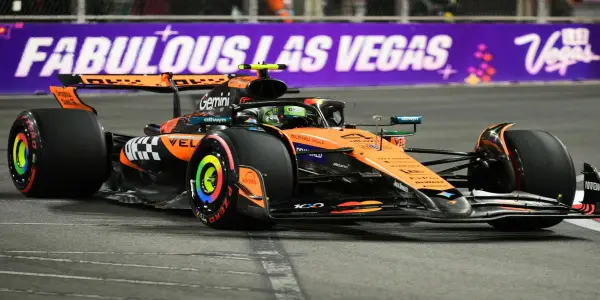
Lando Norris Leads Red Flag-Interrupted Second...
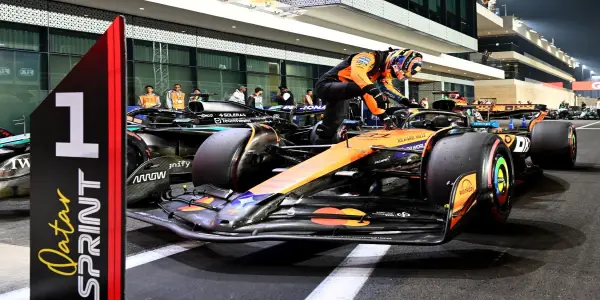
Starting Grid Unveiled for 2025 F1 Qatar Grand...
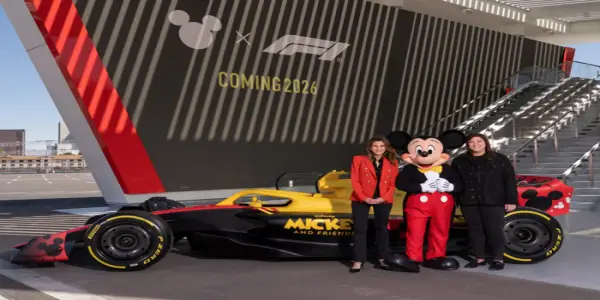
Formula 1 and Disney Join Forces for Unique Las...
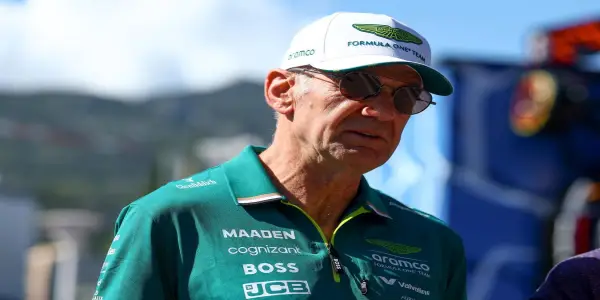
Adrian Newey Appointed as Team Principal of Aston...
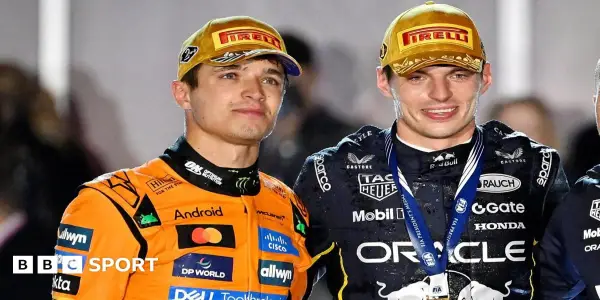
Norris Maintains Championship Lead, But...
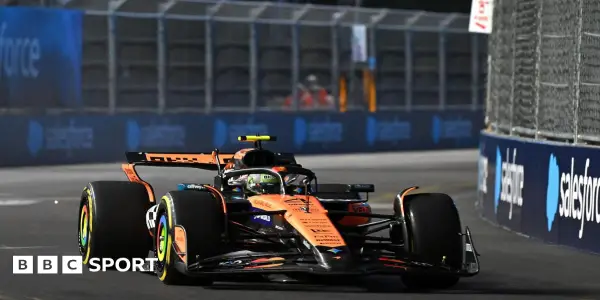
Leclerc Leads Practice as McLaren Faces...
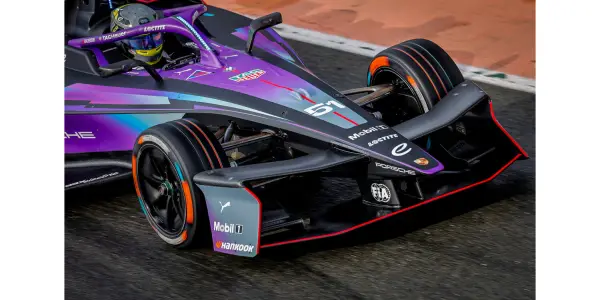
Hankook's GEN3 Evo iON Race Tire Shines During...
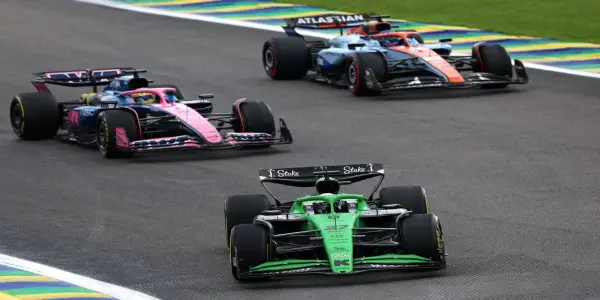
Alpine Faces Challenges as Competitors Continue...
Dallas Cowboys and INDYCAR Unite for the Grand...
Aston Martin's Strategic Shift Positions Valkyrie...
Formula 1 Considers Mandatory Two-Pit Stop...
Hadjar's Barcelona Testing Incident: Distinct...
New Roller Coasters Set to Debut in U.S. Theme...
IMAX Unveils Trailer for Groundbreaking F1...
Amazon Offers Lego F1 Collectible Race Cars at a...
Lando Norris Triumphs at 2025 Brazilian Grand...
Prospects for Malaysian Grand Prix Return to F1...
Charles Leclerc Secures Multi-Year Contract...
George Russell Leads Final Practice Ahead of Las...
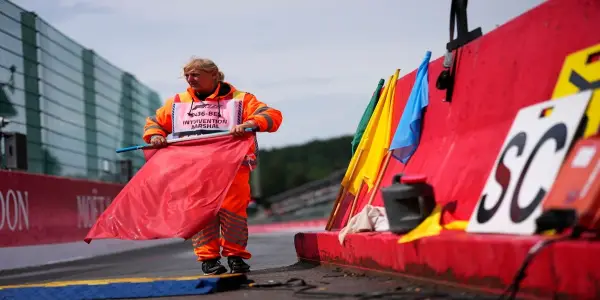
Exploring the Rarely Used Flags in Formula 1
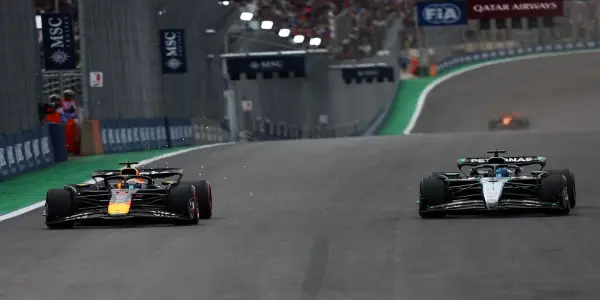
Max Verstappen's Brazil GP: A Puncture and the...
Norris Attributes Championship Lead to Enhanced...
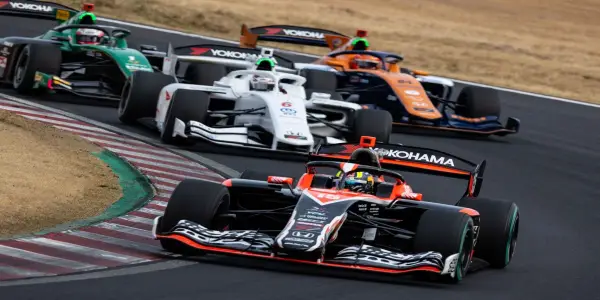
Honda Unveils 2026 Super Formula Lineup with...
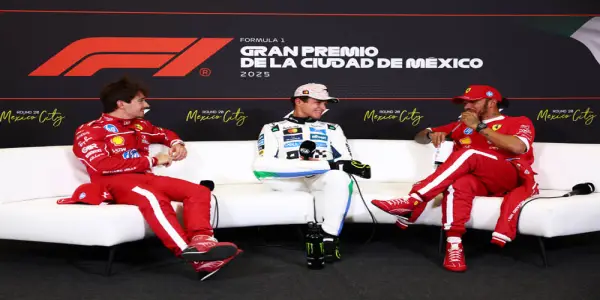
Post-Qualifying Insights from the Mexico City...
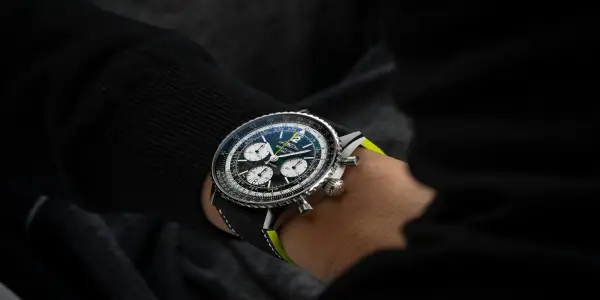
Breitling Partners with Aston Martin F1 Team...
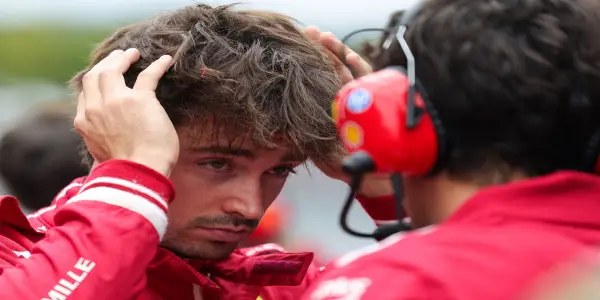
Leclerc Defends Elkann's Comments as Constructive...
Qatar Grand Prix Preview: Ferrari Eyes Strong...
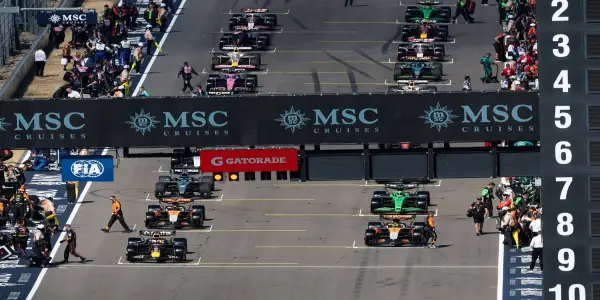
The Crucial Role of Pole Position in the 2025...
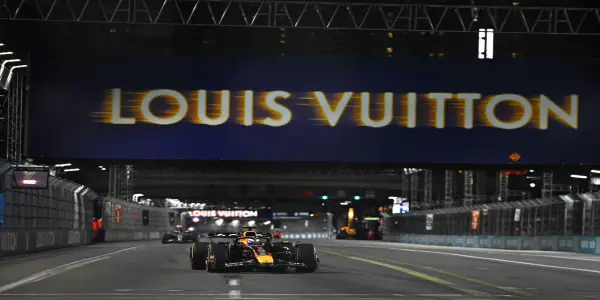
Inside Louis Vuitton's Exclusive Formula 1...
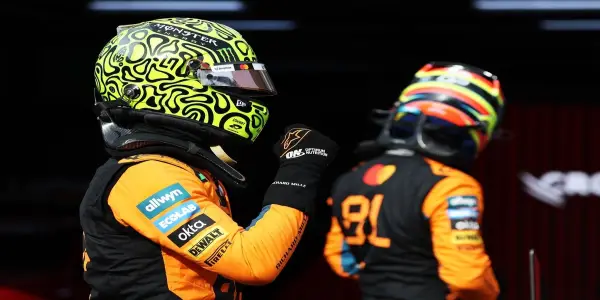
F1 Brazil Grand Prix: Sprint Race and Qualifying...
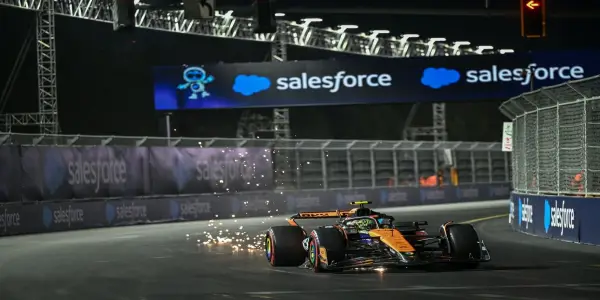
Norris Anticipates Challenges for McLaren at F1...
Isack Hadjar Details Cause of His Crash During...
Max Verstappen Faces Challenges in Brazilian...
Understanding the Formula 1 Cost Cap: Recent...
Marc Marquez Triumphs in Rain-Soaked MotoGP...
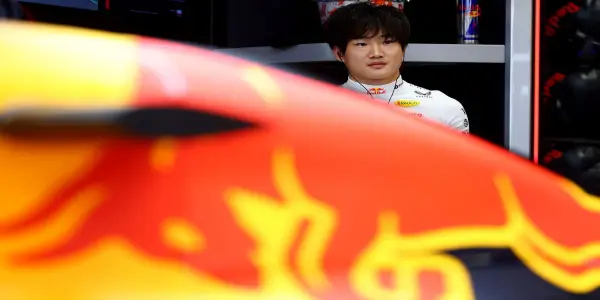
Tsunoda Seeks Clarity from Red Bull Following Las...