Over 30% of 21st Century Nobel Laureates are Immigrants: Their Paths to Recognition
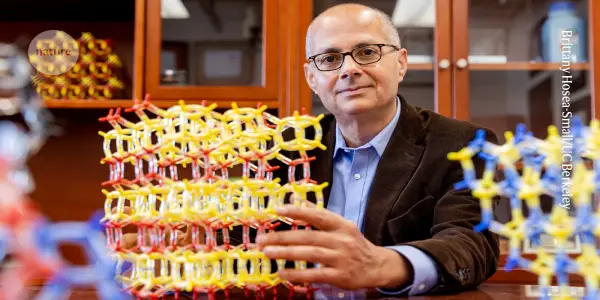
A recent analysis reveals that the United States has become the leading destination for Nobel laureates in physics, chemistry, and medicine since 2000, according to findings published in Nature.
In-depth analysis
Destinations updates
The United States continues to dominate as a primary destination for Nobel laureates in scientific fields, with a significant portion of awardees originating from other countries. This trend reflects a longstanding tradition of the U.S. as a hub for scientific talent, underscored by historical figures like Albert Einstein and Marie Curie who sought better opportunities abroad.
Tourism trends
An increasing number of scientists are migrating to the U.S. for research opportunities, revealing a shift in global talent dynamics. Countries like Australia and Japan are also experiencing changes in their international student policies, impacting the flow of scientific professionals.
Travel safety
Recent immigration policies in the U.S. and other nations may pose challenges for international scientists, potentially restricting their movement and collaboration opportunities. These changes could hinder the safety and stability needed for groundbreaking research to flourish.
Upcoming travel plans
Future travel plans for international researchers may be heavily influenced by evolving immigration regulations. As countries reassess their policies, the ability of scientists to engage in cross-border collaborations remains uncertain.
Did you know?
Why this should be on your list
Understanding the migration patterns of Nobel laureates offers valuable insights into the interconnectedness of global science. The trend highlights how diverse backgrounds fuel innovation and progress. As nations tighten borders, the challenges faced by these scientists underscore the importance of fostering an inclusive environment for research, which ultimately benefits everyone. Ignoring these dynamics risks stifling future breakthroughs.
The locals' secret
While many associate Nobel prizes with individual genius, the collaborative nature of scientific research is often overlooked. In the U.S., Nobel laureates frequently collaborate across institutions, blending their unique perspectives and expertise. This synergy not only enriches their work but also fosters a culture of innovation that transcends geographical boundaries.
A traveler's diary
In a quiet café in Cambridge, Dr. Amina El-Sayed, originally from Egypt, reflects on her journey as a physicist. She recalls the hurdles she faced moving to the U.S. for her research, where she initially felt like an outsider. Yet, through mentorship and collaboration, she found a welcoming community. Today, she leads groundbreaking studies in particle physics, inspired by the legacy of her predecessors. Dr. El-Sayed believes that every scientist's journey is a reminder of the resilience required to innovate. As immigration policies evolve, she hopes that stories like hers will continue to inspire future generations of global talent, demonstrating that diversity is not just an asset but a necessity for scientific advancement.
Expert Commentary

Proton Mail Review (2025): A Comprehensive Look...

Navigating Family Dynamics: A Future In-Law's...
Travel Companies Prioritize Ethics and...

Significant Discounts on Apple Watch Series 11...
Brockville, Ontario: A Winter Wonderland for...
American Airlines Unveils Extensive Award Sale...

Seven Essential Steps to Enhance Your Financial...
Apple Watch Ultra 3 Sees Record Low Price of...
Starship V3: SpaceX's Ambitious Plans for the...

Disney World Launches Reservations for Holiday...

Top Travel Products Shoppers Are Choosing This...

Burt Reynolds Passed on Iconic M*A*S*H Role for...

Luxury Travel Trends for the Ultra-Wealthy in...

Google Maps Introduces Pseudonymous Reviews and...

Apple TV's WondLa Unveils Trailer for Final...
Over 30% of 21st Century Nobel Laureates are...
House Leaders Urge Return to Washington Amid...
Skift Transatlantic Summit 2025 Highlights the...

The Evolution of Travel Loyalty: Welcome to the...

Exploring the Capabilities of the iPhone 17's...
Kohler, Wisconsin: A Luxurious Fall and Winter...
Innovative Approach Keeps Young Offenders Out of...

Zach Lipovsky and Adam Stein Set to Direct Sci-Fi...

Top Windows Laptops of 2025: Expert...

Exploring the Appeal of the Capital One Venture X...

Capture the Moment: Ideal Photo Gifts for Every...

GoWish App Aims to Simplify Holiday Shopping...
Innovative AI Device Enhances Solo Travel...

Discounted Christmas Tree 2025 Advent Calendar...

Director Shawn Levy Discusses the Unique Score of...

Sony's WH-1000XM6 Headphones See Price Drop, Now...

PlayStation Unveils New Holiday Campaign to...
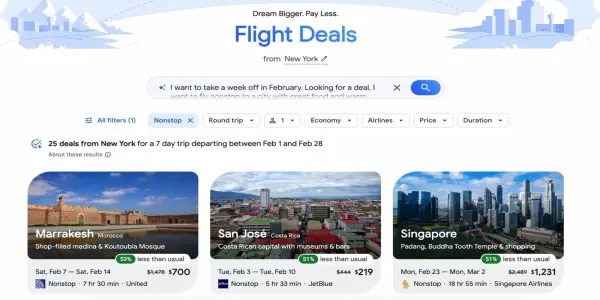
Google Unveils Global Expansion of AI-Driven...
Comprehensive Black Friday Cruise Deals for 2025:...

Abu Dhabi Enhances Global Alliances to Boost...

Maximizing Points and Miles for Your Next Cruise...
Understanding Tipping Etiquette While Traveling

Disneyland Unveils Festive Offerings Inspired by...

Día de Muertos Celebrations Make a Grand Return...

Tragic Death of Anna Kepner on Caribbean Cruise...