Ranking the Most and Least Introvert-Friendly Cities for 2026
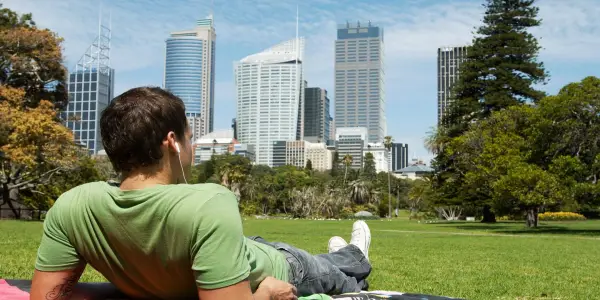
A new study reveals the best and worst cities for introverts, assessing factors like noise, population density, and access to green spaces.
In-depth analysis
Destinations updates
Recent findings highlight Sydney, Australia, as the top city for introverts, thanks to its low population density and abundant green spaces. Melbourne follows closely, offering a vibrant yet manageable atmosphere. Nashville, Tennessee, rounds out the top three with its neighborhood-centric layout and ample parks, providing quiet retreats amid its lively scene.
Tourism trends
The study emphasizes a growing awareness of the needs of introverts in urban tourism. As travelers increasingly seek quieter environments, destinations that prioritize personal space and tranquility may see a rise in popularity.
Travel safety
In densely populated cities like Mumbai, which ranks highest in challenges for introverts, safety concerns may arise due to noise and congestion. Travelers should remain vigilant and seek quieter areas to enhance their comfort and well-being.
Upcoming travel plans
As urban centers adapt to the needs of introverts, future travel itineraries may include more serene destinations. Cities that offer a balance of vibrant culture and peaceful environments are likely to attract those seeking solace while traveling.
Did you know?
Why this should be on your list
The findings from JB's study highlight a crucial shift in urban planning, recognizing the necessity for spaces that cater to introverts. As cities expand, prioritizing quiet areas and accessible green spaces can enhance mental well-being and promote a healthier lifestyle. Such insights remind us that urban environments can be designed to nourish diverse personality types, fostering inclusivity and well-being.
The locals' secret
In Sydney, locals often share a little-known gem: the hidden beaches of the Royal National Park. Just a short train ride from the city, these secluded spots provide a tranquil escape where introverts can unwind amidst nature, away from the bustling crowds.
A traveler's diary
Emily, a graphic designer from Seattle, recently visited Melbourne and discovered its unique blend of tranquility and vibrancy. While sipping coffee at a quaint café in Fitzroy, she felt a profound sense of belonging. The city’s numerous laneways, adorned with street art, offered her a peaceful retreat from the usual hustle. One afternoon, she spent hours in the Royal Botanic Gardens, which felt like a hidden oasis. Surrounded by lush greenery, Emily realized that it was the perfect place for her to recharge. She left with a newfound appreciation for urban spaces that cater to both introverts and extroverts, understanding that the balance of solitude and social interaction is vital to mental health.
Expert Commentary
American Airlines Unveils Extensive Award Sale...

Apple TV's WondLa Unveils Trailer for Final...

Iconic ‘Fifth Element’ Multi Pass from Leeloo’s...

Celebrity Traitors Set for Second Series in 2026...

Prepare for Your 2026 Travels with Nomad's eSIM...
FAA Flight Reductions: What Travelers Need to...
Prince William and Princess Kate Secure Legal...
Prince William and Kate Middleton Secure Legal...

Tragic Attack by 'Murder Hornets' Claims Lives of...
House Leaders Urge Return to Washington Amid...


Navigating Black Friday: Tips for Securing...

Silent Hill f Actors Designated as Tourism...

Tragic Death of Anna Kepner on Caribbean Cruise...
The Pexar Digital Photo Frame: A Top Holiday Gift...

Maximize Your Holiday Savings with DoorDash's...
Skift Transatlantic Summit 2025 Highlights the...

PlayStation Unveils New Holiday Campaign to...

New 'Star Trek' Comic Puts Uhura Center Stage...


Dyson Unveils Compact Supersonic Travel Hair...

Disneyland Unveils Festive Offerings Inspired by...

Nine TV Episodes That Capture the Spirit of...
Your Essential Guide to the 2025 World Series:...

Google Enhances Travel Planning with New AI...
Brockville, Ontario: A Winter Wonderland for...
A Comparative Analysis of the Capital One Venture...
Win a Family Vacation to Walt Disney World This...
Mint Mobile Unveils Black Friday Promotion: 50%...
Publisher Confirms That Rumored 2026 Release Date...
Top Automotive Designs of November 2025 Showcase...
IHG One Rewards Launches Limited-Time Sale with...

Halo Franchise Makes Historic Debut on...

Apple Watch Ultra 3 Sees Record Low Price of...
Exploring Athens: A Culinary Journey with Diane...
Essential Strategies for Budget Travel: 20 Key...
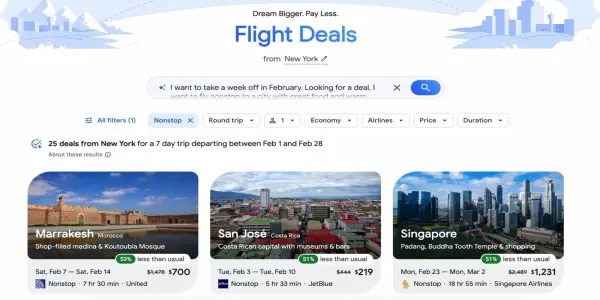
Google Unveils Global Expansion of AI-Driven...

Sony's WH-1000XM6 Headphones See Price Drop, Now...