FAA Flight Reductions: What Travelers Need to Know About Upcoming Airport Experiences
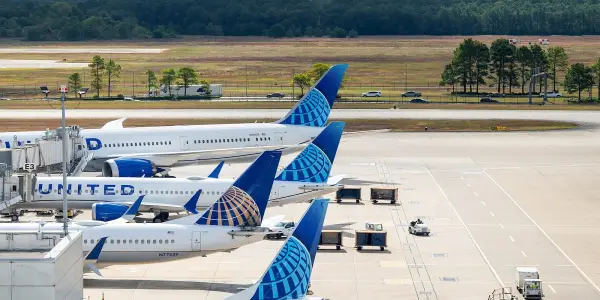
Travelers face significant disruptions as the FAA enforces flight reductions nationwide to improve safety. Key airports will be affected; prepare for changes...
In-depth analysis
Destinations updates
The FAA's recent directive to reduce flight operations is set to significantly impact major U.S. airports, including Hartsfield-Jackson, Boston Logan, and those in New York City. Travelers may experience service reductions, particularly on regional routes, as interconnected flight schedules are disrupted. This could lead to a ripple effect, affecting travel plans across the nation.
Tourism trends
The aviation industry's ongoing challenges, including staffing shortages and increased demand, are reshaping travel patterns. Travelers are increasingly prioritizing flexibility in their plans, as airlines adapt to the fluctuating landscape of air travel.
Travel safety
With the FAA's flight operation reductions, travelers should be prepared for potential delays and cancellations. It is crucial for passengers to actively seek refunds for canceled flights and stay informed about their rights in case of disruptions, ensuring a safer travel experience.
Upcoming travel plans
As airlines adjust to the FAA's new regulations, travelers should anticipate rising ticket prices and limited availability for last-minute bookings. Reviewing travel insurance policies and credit card benefits may provide additional support amid these changes.
Did you know?
Why this should be on your list
Understanding the FAA's new flight operation reductions is crucial for anyone planning to travel in the coming months. This directive isn't just a temporary inconvenience; it reflects deeper systemic issues within the aviation industry, including staffing shortages and heightened travel demand. Travelers need to be proactive in adjusting their plans and exploring alternative routes to minimize disruptions and ensure smoother journeys.
The locals' secret
In an unexpected twist, many frequent flyers have discovered that smaller regional airports often have less congestion and better on-time performance compared to major hubs. For instance, airports like Portland International Jetport in Maine have been quietly serving travelers with more reliable schedules, making them a hidden gem for those looking to avoid the chaos of larger terminals.
A traveler's diary
Imagine Sarah, a business consultant from Denver, who planned her trip to New York for a critical client meeting. With the FAA's recent announcement, she found herself anxiously checking flight statuses as she prepared to navigate potential cancellations. Her usual direct flight was suddenly at risk, forcing her to explore alternative routes through smaller airports. Feeling the pressure, she reached out to her airline and learned about the flexibility they offered due to the disruptions. Grateful for the 'golden ticket' policy, she quickly changed her itinerary, enabling her to reach her destination on time. This experience highlighted the importance of adaptability in travel, especially in a rapidly changing landscape.

Anker's 45W Nano Charger Sets a New Standard for...

Understanding Tipping Etiquette While Traveling

The Shift in Gifting: Ultra-Wealthy Favor...
House Leaders Urge Return to Washington Amid...

Apple TV's WondLa Unveils Trailer for Final...

Top Adventure Vehicles for October 2025:...
Brockville, Ontario: A Winter Wonderland for...

Innovative Nest-Like Pods Redefine Prefabricated...

Essential Travel Beauty Gadgets: Hair Dryers,...

Top Hotel Discounts for Black Friday, Cyber...

Motorola Launches Affordable Moto G 2026 Series...

Tragic Attack by 'Murder Hornets' Claims Lives of...
Pittsburgh International Airport to Unveil $1.7...

Chase Sapphire Reserve Unveils Enhanced Benefits...

Teamwork and Community Spirit Highlight Final Day...

Lectric XP4 750 Electric Bike Review: Affordable...

Affordable Activities During Your Alaskan Cruise

Prince William and Kate Middleton Secure Legal...

Innovative AI Device Enhances Solo Travel...

Maximize Your Holiday Savings with DoorDash's...

Google Maps Introduces Pseudonymous Reviews and...

Top Travel Products Shoppers Are Choosing This...

Fatal Frame II: Crimson Butterfly Remake Set for...

Your Essential Guide to the 2025 World Series:...

Severe Weather Alerts Issued as Workers Return...

Maximizing Points and Miles for Your Next Cruise...

The Pexar Digital Photo Frame: A Top Holiday Gift...

Disneyland Unveils Festive Offerings Inspired by...

Evaluating the Necessity of Travel Insurance Amid...
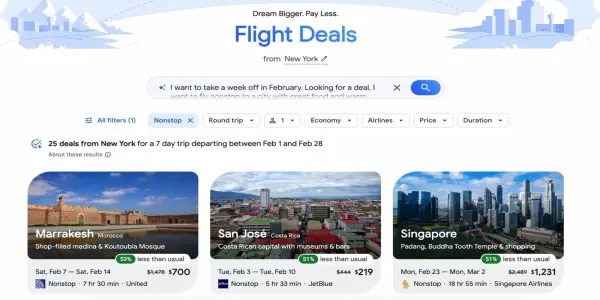
Google Unveils Global Expansion of AI-Driven...

Celebrity Traitors Set for Second Series in 2026...

Star Karnival Cuti-Cuti Malaysia-Sabah Attracts...

Nine TV Episodes That Capture the Spirit of...

Capture the Moment: Ideal Photo Gifts for Every...

New 'Star Trek' Comic Puts Uhura Center Stage...

ABBA's Songs as Musical Journeys Through Iconic...


Qiddiya: The Future Hub of Sports Tourism

Holiday Transformation: Toontown Celebrates...

Tragic Death of Anna Kepner on Caribbean Cruise...