Travel Companies Prioritize Ethics and Sustainability in Partner Selection
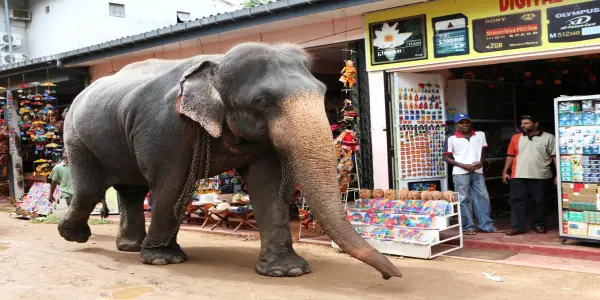
Leading travel companies like Jacada Travel and Intrepid Travel are reshaping wildlife tourism by prioritizing ethics and sustainability in their partner sel...
In-depth analysis
Destinations updates
Travel companies are increasingly reevaluating their partnerships in wildlife tourism to ensure ethical practices. Recent audits by Jacada Travel and Go2Africa have led to significant changes, such as the removal of animal encounters from offerings, reflecting a commitment to responsible tourism and conservation efforts in popular destinations like Tanzania and Egypt.
Tourism trends
The demand for ethical travel experiences is rising, with travelers seeking transparency and sustainability in their adventures. Companies are responding by prioritizing partnerships that align with these values, leading to a shift in how wildlife tourism is marketed and experienced.
Travel safety
Concerns around travel safety are growing, particularly regarding wildlife encounters that may pose risks to both animals and tourists. Experts urge travelers to be cautious of activities that exploit animals, highlighting the need for informed choices to prevent dangerous situations, as evidenced by recent tragic incidents.
Upcoming travel plans
As the travel landscape shifts, companies are expected to enhance their ethical standards and sustainability practices. Upcoming initiatives will likely focus on fostering responsible tourism, ensuring that partnerships align with conservation goals and meet traveler expectations for ethical experiences.
Did you know?
Why this should be on your list
This shift towards ethical wildlife tourism marks a pivotal moment for the industry, as travelers increasingly demand transparency and responsibility in their adventures. Engaging with companies that prioritize animal welfare not only enhances the travel experience but also contributes to global conservation efforts. By choosing responsible operators, travelers can play a vital role in protecting wildlife and supporting local communities, ensuring their visits leave a positive impact.
The locals' secret
In Tanzania's Serengeti, local communities traditionally engage in a practice called 'wildlife husbandry,' where they coexist with migratory species. This approach fosters a unique relationship with nature, allowing locals to benefit from eco-tourism while actively participating in conservation efforts. It’s a remarkable example of how indigenous knowledge can enhance wildlife protection.
A traveler's diary
On a recent journey to Kenya, Jane Morris, a conservationist and avid traveler, witnessed the stark differences in wildlife tourism practices. While visiting a sanctuary that emphasized ethical interactions, she felt a profound connection to the animals, knowing they were protected and respected. In contrast, her previous experience at a popular safari park left her uneasy as she observed tourists crowding around a trapped cheetah. Jane reflects that the choice of tour operator can transform a trip from mere sightseeing to a meaningful engagement with nature, highlighting the importance of responsible tourism.
Expert Commentary

Exploring the Appeal of the Capital One Venture X...

Russian Strikes on Kyiv Result in Multiple...
The Shift in Gifting: Ultra-Wealthy Favor...

American Airlines Unveils Extensive Award Sale...

Exploring Italy's Motor Valley: A Guide for...

Director Shawn Levy Discusses the Unique Score of...

Disney World Launches Reservations for Holiday...

Top Adventure Vehicles for October 2025:...

Silent Hill f Actors Designated as Tourism...

Significant Discounts on Apple Watch Series 11...

Affordable Activities During Your Alaskan Cruise

Retailers Exercise Caution in Holiday Hiring Amid...

Streamer Completes 14-Year Journey to the Edge of...

Starship V3: SpaceX's Ambitious Plans for the...

Test Your Knowledge of Iconic Holiday Movie...

Rising Air Travel Demand Strains Tourist Hotspots...

Over 30% of 21st Century Nobel Laureates are...

Nine TV Episodes That Capture the Spirit of...

Top 7 Dehumidifiers for Maintaining Optimal...

Essential Strategies for Budget Travel: 20 Key...

Palestinian-American Teen Released After Nine...

Día de Muertos Celebrations Make a Grand Return...

House Leaders Urge Return to Washington Amid...

Zach Lipovsky and Adam Stein Set to Direct Sci-Fi...

Mother of Two Falls Victim to Tinder Fraudster,...

Sam’s Club Offers Significant Discount on 1-Year...

Safeguard Your Personal Information Ahead of...

A Comparative Analysis of the Capital One Venture...

Anker Launches Early Black Friday Sale Featuring...

Scammers Exploit Holiday Spirit, Targeting...

Experts Warn Against AI Toys for Children This...

LEGO City Advent Calendar 2025 Hits Record Low...

Airstream Launches World Traveler 22RB: A...

Czechia Emerges as a Premier Luxury Wedding...

Burt Reynolds Passed on Iconic M*A*S*H Role for...

The Pixel Phone: An Indispensable Tool for...

Your Essential Guide to the 2025 World Series:...

Exploring Athens: A Culinary Journey with Diane...

Prepare for Your 2026 Travels with Nomad's eSIM...

Top Windows Laptops of 2025: Expert...