Major Regulatory Changes Set to Transform Formula 1 in 2026
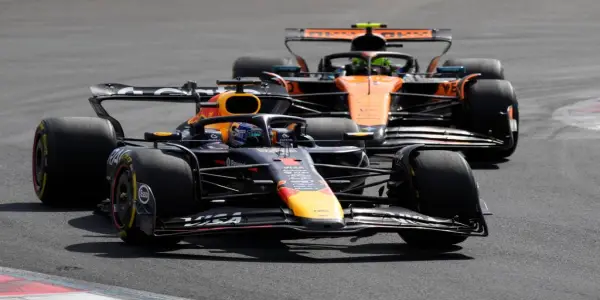
Formula 1 is set for a major transformation in 2026 with new FIA regulations promoting agility, safety, and sustainability. Discover how teams are adapting t...
In-depth analysis
Race results
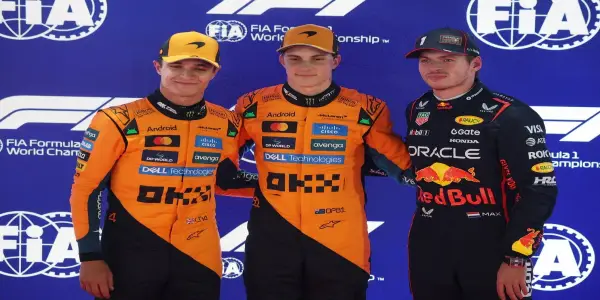
The latest race showcased a remarkable display of competitive balance, with six different teams standing on the podium. This season's results indicate a tightly contested field, as minimal time separated the top competitors, highlighting the potential for exciting battles in the upcoming events.
Driver performance
Drivers are adapting to the evolving landscape, with energy management becoming a critical skill. Their ability to navigate both speed and sustainability will be key as they prepare for the challenges posed by the new regulations.
Technical updates
The 2026 regulations will retain turbo hybrid engines while introducing a stronger focus on electrical components. This shift aims to enhance sustainability and performance, compelling teams to innovate within the constraints of the cost cap.
Next race preview
As teams gear up for the next race, the focus will be on adjusting to the new technical parameters. Anticipation builds around how these changes will impact strategies and overall race dynamics.
Did you know?
Why this race will make history
For Marcus, 34, from Chicago, the upcoming Formula 1 season represents more than just a race; it’s a dream come true. Growing up in a family of mechanics, he watched his father repair cars while sharing stories of legendary racers. As the sport shifts towards sustainability, Marcus feels a personal connection to this evolution, believing it will inspire future generations to embrace both technology and environmental responsibility.
Garage secrets
Did you know that the first Formula 1 race took place in 1950 at Silverstone, England? This inaugural event featured just seven teams, a stark contrast to the current grid that boasts ten teams and a global audience. The evolution of the sport reflects both technological advancements and growing fan engagement over the decades.
The mechanic's story
Meet Sarah, 29, from Austin, a mechanic whose passion for racing ignited at a young age. After watching her older brother compete in go-kart races, she took to the garage, determined to understand the machines. As Formula 1 embraces electric power, she feels a mix of excitement and apprehension. For Sarah, it's not just about speed—it's about ensuring the heart of racing remains intact. She dreams of one day working with a Formula 1 team, hoping to combine her love for mechanics with a commitment to sustainability. The new regulations resonate deeply with her, as they represent a future where her two passions can coexist.
Expert Commentary
Qatar Grand Prix Preview: Ferrari Eyes Strong...
Hankook's GEN3 Evo iON Race Tire Shines During...
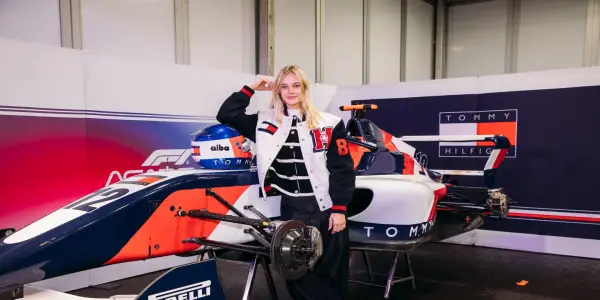
F1 Academy Driver Alba Hurup Larsen Embraces...
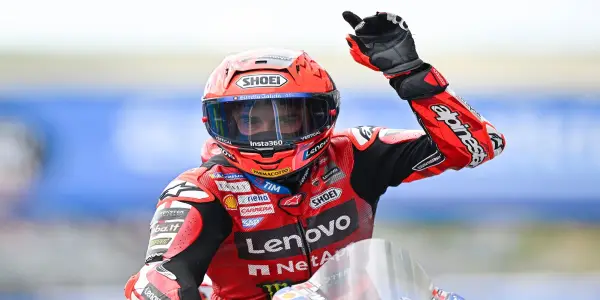
Marc Marquez Triumphs in Rain-Soaked MotoGP...
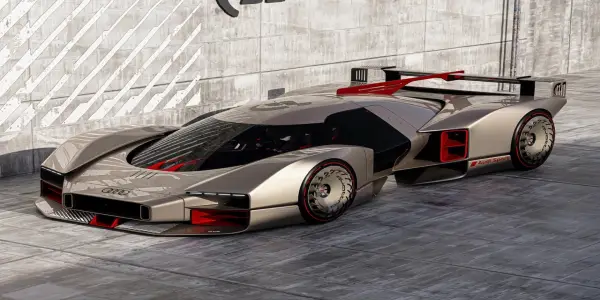
Audi's Vision Quattro: A Bold Leap into Electric...
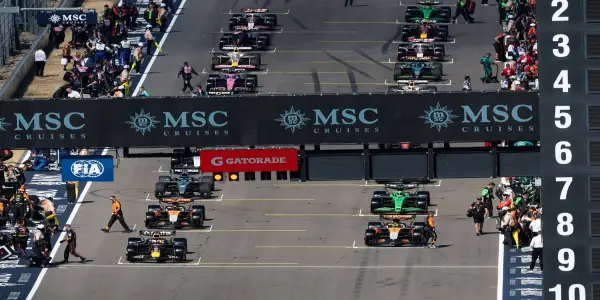
The Crucial Role of Pole Position in the 2025...
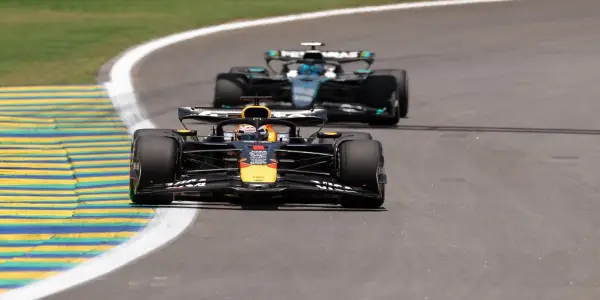
Max Verstappen Faces Challenges in Brazilian...
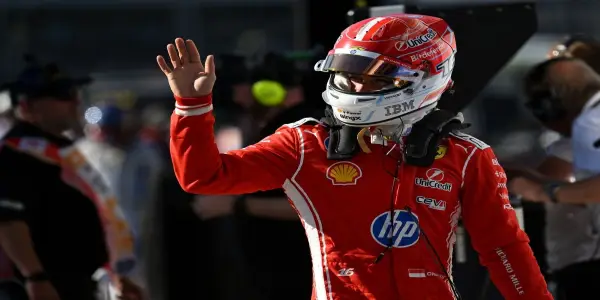
Charles Leclerc Secures Multi-Year Contract...
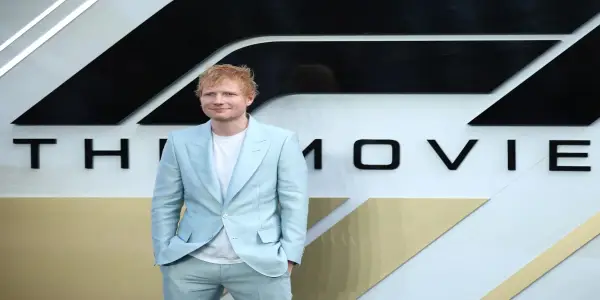
Ed Sheeran's Passion for F1 Shapes 'Drive' in...
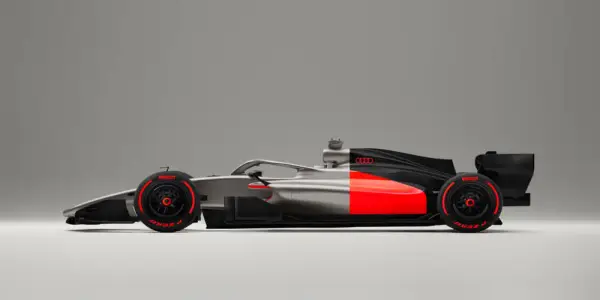
Audi Unveils Ambitious Formula 1 Concept Ahead of...
F1 Qatar Grand Prix: Start Time, Viewing Options,...
Lewis Hamilton Tops Final Day of F1 2026...
Piastri Adapts to Unique Driving Demands of...
Norris Anticipates Challenges for McLaren at F1...
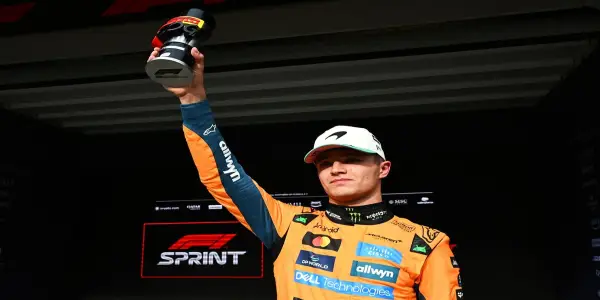
Lando Norris Secures Sprint Pole at Brazilian...
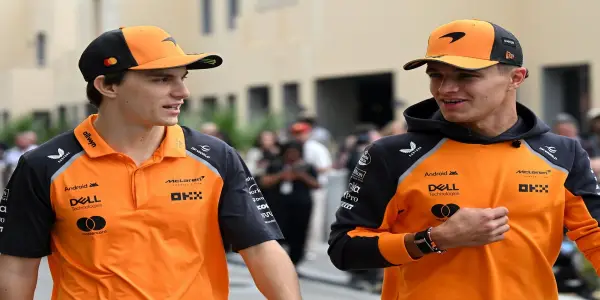
Understanding McLaren's Papaya Rules Ahead of...
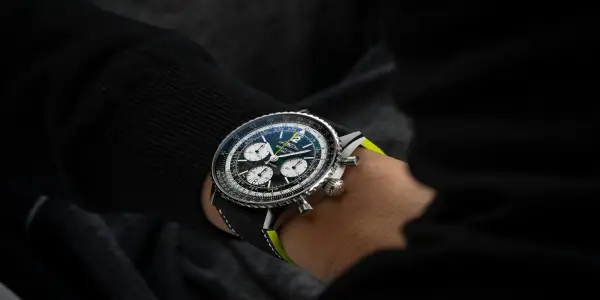
Breitling Partners with Aston Martin F1 Team...
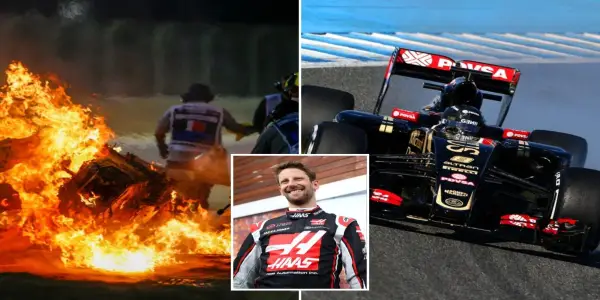
Romain Grosjean Reflects on Survival from Fiery...
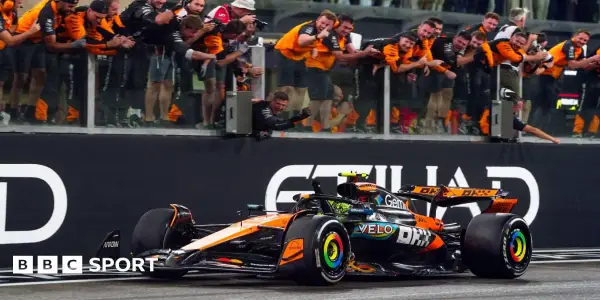
Lando Norris Clinches First Formula 1...
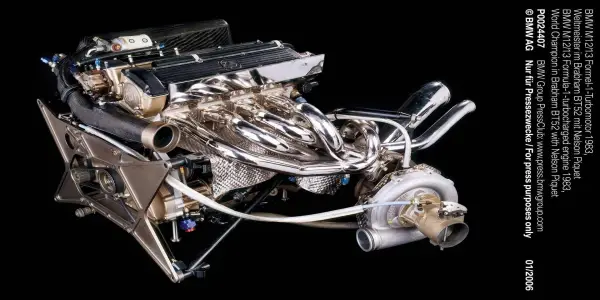
The Iconic BMW M12/13 Turbo Engine: A Triumph in...
F1®: The Movie Sequel Delayed Amid Regulatory...
New Roller Coasters Set to Debut in U.S. Theme...
Lando Norris Faces Booing from Fans at Mexico GP...
Mantis X99 Concept Vehicle Takes Cues from...
Williams Unveils Rebranding for 2026 Formula 1...
Oliver Bearman's Rookie Season: A Strategic Shift...
Dallas Cowboys and INDYCAR Unite for the Grand...
Andrea Kimi Antonelli Reflects on a Challenging...
McLaren's Andrea Stella Critiques Penalty...

Apple and MLS to Conclude Paid Subscription Model...
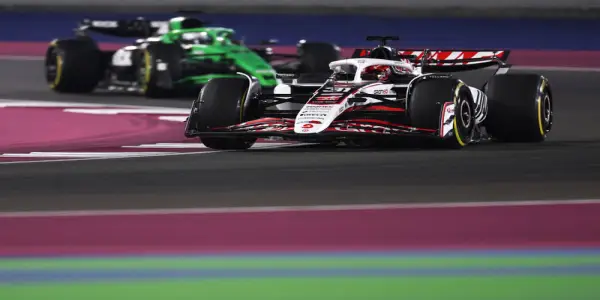
Haas F1 Team Prepares for Qatar Grand Prix After...
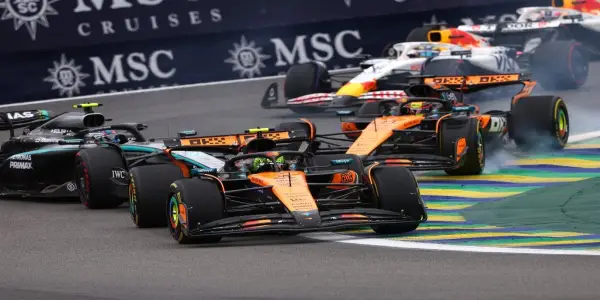
Piastri Addresses Controversial Move in Brazil...
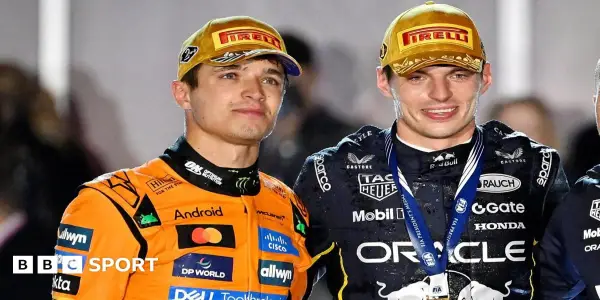
Norris Maintains Championship Lead, But...
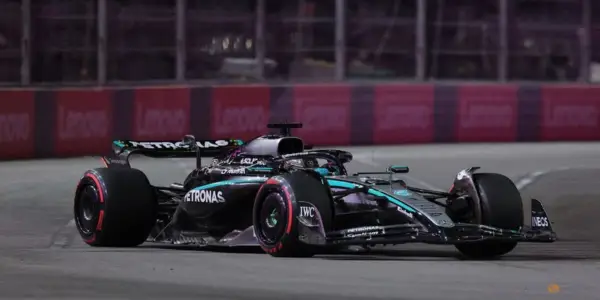
George Russell Leads Final Practice Ahead of Las...
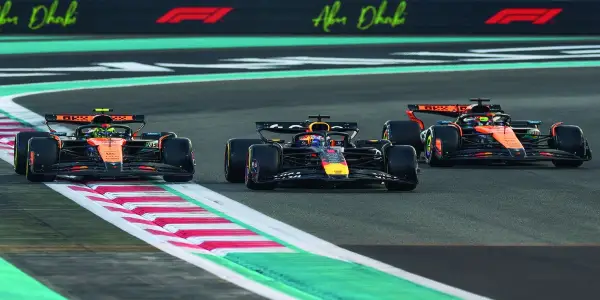
Dramatic Title Fight Highlights F1 2025 Season
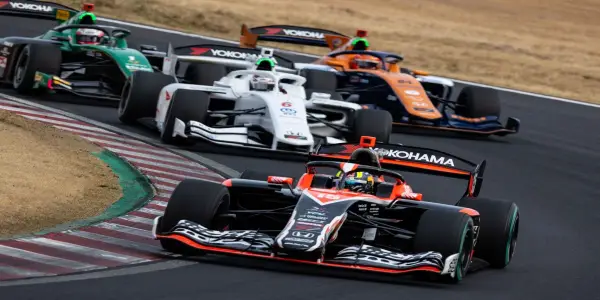
Honda Unveils 2026 Super Formula Lineup with...
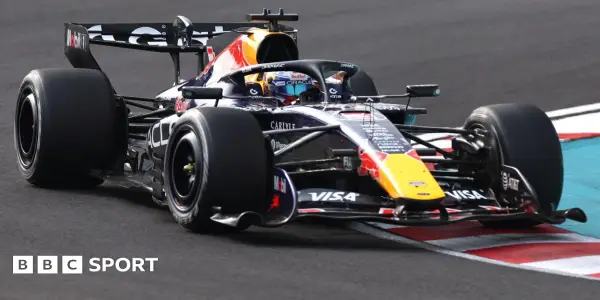
Red Bull's Challenging Season: A Look at...
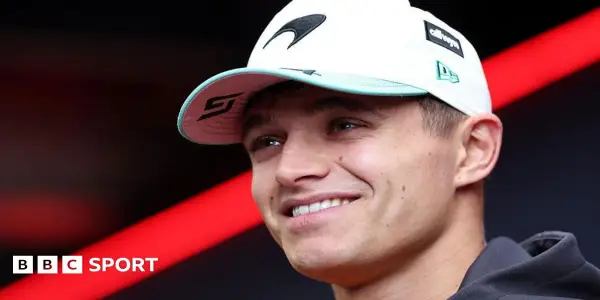
Norris Attributes Championship Lead to Enhanced...