The Unfulfilled Vision of the Channel Crossing Bridge

The opening of the Channel Tunnel in 1994 marked a significant milestone in connecting Britain to the European mainland. However, alternative proposals, including an ambitious bridge project, reveal a complex history of cross-Channel transport aspirations.
In-depth analysis
Destinations updates
The Channel Tunnel continues to serve as a vital link between the UK and mainland Europe, facilitating travel for millions. However, alternative proposals, such as the Euro Route, highlight the ongoing interest in expanding cross-Channel connectivity. The potential for new destinations and experiences remains a topic of discussion among travel enthusiasts and policymakers alike.
Tourism trends
There is a growing preference among travelers for direct transport options, with many expressing a desire to drive rather than take the train. This trend indicates a shift towards more personalized travel experiences, as tourists seek convenience and flexibility in their journeys.
Travel safety
The Channel Tunnel has established a strong safety record since its opening, yet the complexities surrounding alternative projects like the Euro Route raise questions about engineering risks. Continued advancements in safety protocols are essential to ensure that any future transport links maintain high standards for passenger safety.
Upcoming travel plans
As travel demand rebounds, stakeholders are exploring potential new projects aimed at enhancing cross-Channel transport. Future discussions may revisit ambitious concepts that could reshape the travel landscape, providing new opportunities for seamless connections between the UK and France.
Did you know?
Why this should be on your list
The Channel Tunnel not only reshaped travel between the UK and mainland Europe but also serves as a fascinating case study in engineering resilience and international collaboration. Understanding the multiple proposals that were considered reveals the complexities of infrastructure development and the interplay of public sentiment and financial feasibility. This history highlights not just a physical connection, but the ever-evolving relationship between two nations.
The locals' secret
Few know that the Channel Tunnel’s construction involved over 13,000 workers from various countries, making it a true symbol of cross-border collaboration. This diverse workforce faced unique challenges, including the need to adapt to different languages and work cultures, showcasing the spirit of unity in the face of monumental tasks.
A traveler's diary
Imagine standing on the edge of the English Channel, feeling the breeze whip around you as you contemplate the engineering marvel beneath your feet. For Emma, a history enthusiast from Brighton, this moment was transformative. She had always been fascinated by the Channel Tunnel's backstory but was unaware of the alternative Euro Route proposal. As she learned about the ambitious bridge idea that could have changed the face of travel, she felt a surge of excitement mixed with nostalgia. Emma spent hours discussing these ideas with local historians and fellow travelers, each conversation deepening her appreciation for how infrastructure can shape culture. The experience sparked her own desire to contribute to local heritage projects, reminding her that history is not just about the past but also about the future we create.
FAA Flight Reductions: What Travelers Need to...

New 'Star Trek' Comic Puts Uhura Center Stage...

Severe Weather Alerts Issued as Workers Return...

ABBA's Songs as Musical Journeys Through Iconic...

Motorola Launches Affordable Moto G 2026 Series...

GoWish App Aims to Simplify Holiday Shopping...

Top Hotel Discounts for Black Friday, Cyber...

Maximize Your Holiday Savings with DoorDash's...
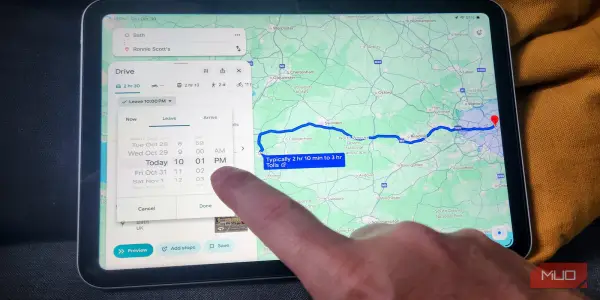
Google Maps Offers Smart Departure Timing Feature...

Silent Hill f Actors Designated as Tourism...

Exploring the Appeal of the Capital One Venture X...
Maximizing Points and Miles for Your Next Cruise...

Airstream Launches World Traveler 22RB: A...

American Airlines Announces New Flights to...

Top Travel Products Shoppers Are Choosing This...

Teamwork and Community Spirit Highlight Final Day...

Holiday Transformation: Toontown Celebrates...

Transform Your Home for the Holidays: Six Festive...

Fatal Frame II: Crimson Butterfly Remake Set for...

Capture the Moment: Ideal Photo Gifts for Every...

Affordable Activities During Your Alaskan Cruise

Navigating Family Dynamics: A Future In-Law's...


Lectric XP4 750 Electric Bike Review: Affordable...

Innovative Nest-Like Pods Redefine Prefabricated...

Evaluating the Necessity of Travel Insurance Amid...

Nine TV Episodes That Capture the Spirit of...

Brockville, Ontario: A Winter Wonderland for...

IHG One Rewards Launches Limited-Time Sale with...

Prepare for Your 2026 Travels with Nomad's eSIM...

Innovative AI Device Enhances Solo Travel...

Essential Travel Beauty Gadgets: Hair Dryers,...

Gremlins 3 Set for Release in 2027, Directed by...

Navigating Alaska's Cruise Season: A...

Dyson Unveils Compact Supersonic Travel Hair...

Your Essential Guide to the 2025 World Series:...

Italy's Unique Train-Ferry Connection Faces...

PlayStation Unveils New Holiday Campaign to...

Key Travel Trends to Consider for Year-End...

Pittsburgh International Airport to Unveil $1.7...