Sean Strickland Declares MMA the Pinnacle of Masculine Sports, Critiques Soccer
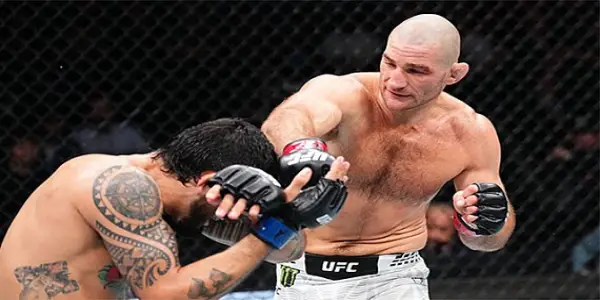
Sean Strickland ranks MMA as the most masculine sport and critiques soccer for its players' injury antics, sparking discussions on sportsmanship.
In-depth analysis
Recent matches
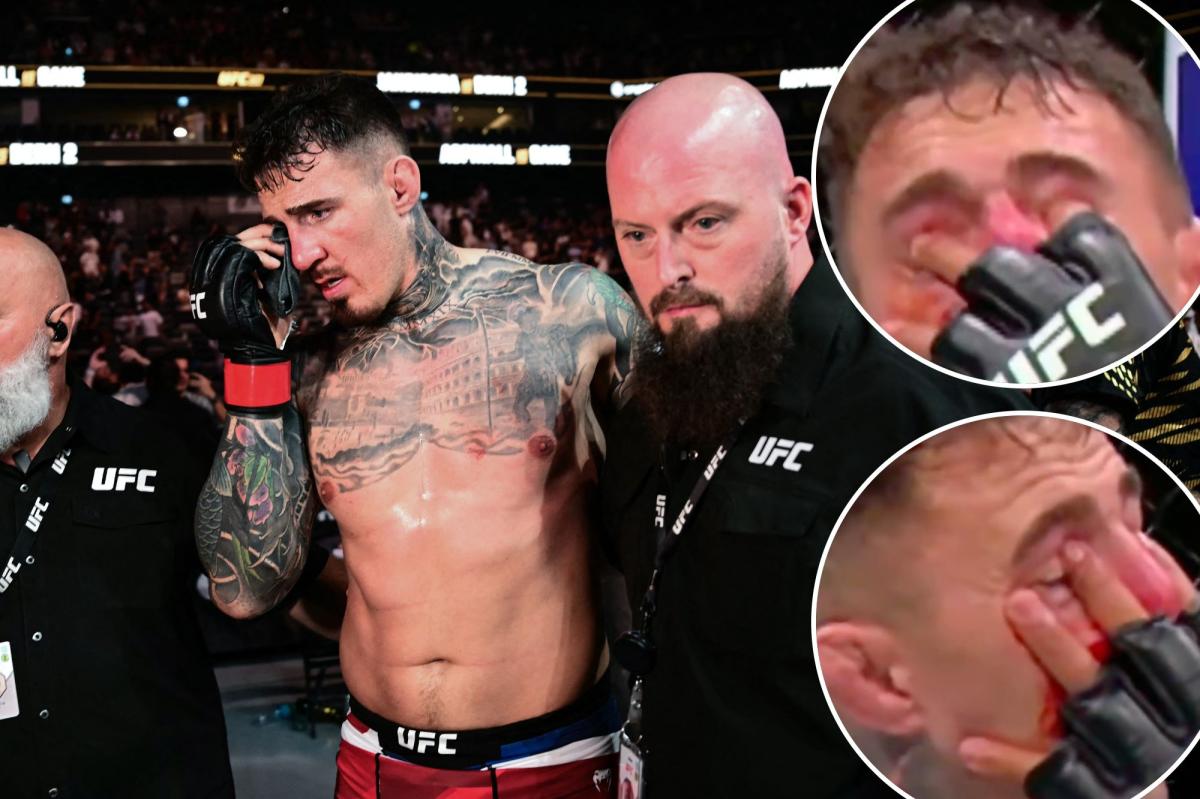
Sean Strickland's recent bout against Khamzat Chimaev showcased his resilience and skill, culminating in an unexpected victory that solidified his standing in the UFC. This match not only elevated his profile but also reignited discussions about the physical demands of mixed martial arts compared to other sports.
Player performance
Strickland's performance in the octagon has been characterized by tactical aggression and mental fortitude, which were evident in his recent fight. His ability to adapt and counter opponents has been key to his success.
Team strategy
Strickland's approach emphasizes a blend of striking and grappling techniques, allowing for versatility in the octagon. His training regimen focuses on enhancing physical toughness while strategically exploiting opponents' weaknesses, reflecting a comprehensive understanding of combat dynamics.
Upcoming events
As the MMA calendar progresses, Strickland's next fight will be crucial for maintaining his momentum. Fans and analysts alike are eager to see how his evolving strategy will play out against future opponents in the octagon.
Did you know?
Why this game matters
Strickland's comments ignite a broader conversation about masculinity in sports, challenging traditional norms and perceptions. By placing MMA at the pinnacle, he not only elevates the sport's status but also invites scrutiny of other athletic pursuits. This dialogue may reshape how fans engage with sports, pushing them to reconsider values of toughness, authenticity, and the very essence of competition.
What you won't see on TV
While Strickland's rankings may seem subjective, studies show that combat sports participants experience higher rates of injury resilience compared to athletes in non-contact sports. This highlights the physical demands placed on fighters, often overlooked in mainstream discussions about masculinity.
On the road to a dream
Marcus, 34, from Chicago, grew up idolizing fighters like Sean Strickland. After a tough childhood, he found solace in martial arts, channeling his struggles into training. The first time he stepped into the cage, the roar of the crowd echoed his journey from adversity to empowerment. Strickland's recent victory resonated deeply with Marcus, reminding him that resilience in the face of challenge defines true strength, both in the octagon and in life.
Expert Commentary

Anime Films Reach a Pivotal Moment in Theatrical...
Aryna Sabalenka and Nick Kyrgios Set for...

Hopedale Claims First State Title with Victory...
Yoshinobu Yamamoto Shines in Dominant World...
Viewing Options for John Cena's Last Match:...

Brooke Henderson Aims for Strong Finish at CME...
WWE Raw Recap: John Cena Bids Farewell in...
How to Watch UCI World Tour 2026 Live Streams: A...
Three Key Strategies to Enhance Your...
Ohtani's Historic Home Runs Highlight Top 10...
Munetaka Murakami Signs with White Sox: What His...
United States Defeats Dominican Republic 2-1 to...
PGA Tour's Min Woo Lee Declares Commitment,...
Derek Shelton Takes the Helm as Minnesota Twins...
Faye Webster Celebrates Her Passion for Games at...
David Benavidez Defeats Anthony Yarde to Retain...
Gordon D'Arcy: Mindset Key to Overcoming...
Dodgers' Dave Roberts Celebrated by MLB on FOX...

New York Knicks Fans Turn to Unconventional...
Saracens Claim Top Spot in PWR as Aoife Wafer...
Scarlets and Benetton End in Stalemate After...
Conor McGregor Embraces Faith, Declares He's...

Kashmir Cricket League Faces Backlash as Players...

Comprehensive Review of JeetBuzz Bangladesh: A...
Oscar De La Hoya Rules Out Ryan Garcia vs. Jake...
The New Superpower: Adaptability in the Age of AI
Conor Murray Critiques Controversial Red Card in...
India and South Africa Set for Historic ICC...

NFL Trade Deadline Sees Jets Restructure for...
Three Key Free Agents the Phillies Should Target...
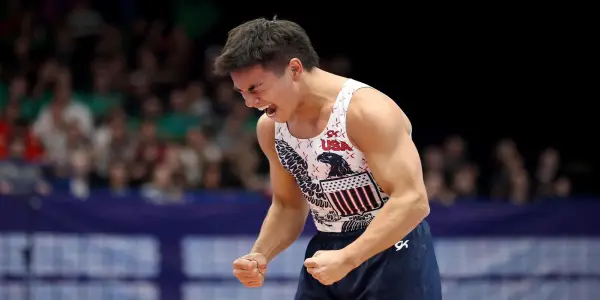
Top Gymnasts' Olympic Aspirations Unmet as Double...
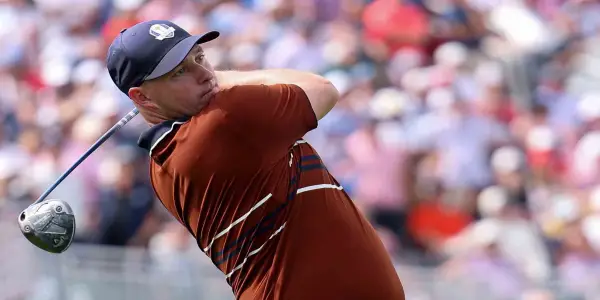
DP World Tour Adjusts Rules for Sepp Straka Amid...

Red Sox Unveil 2026 Spring Training Schedule: Key...
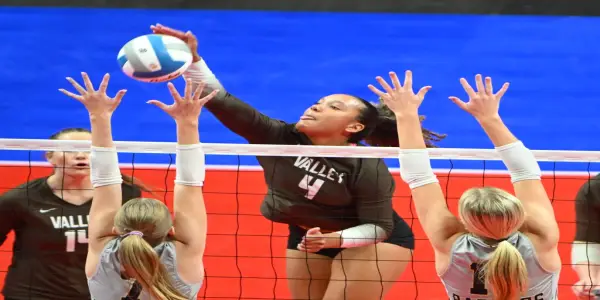
Apple Valley Shocks East Ridge in Class 4A...
WTA Finals 2025 Prize Pool Hits $15.5 Million,...
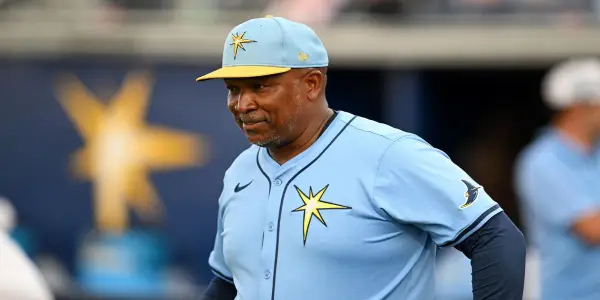
Ozzie Timmons: A Pillar of Support for Tampa...
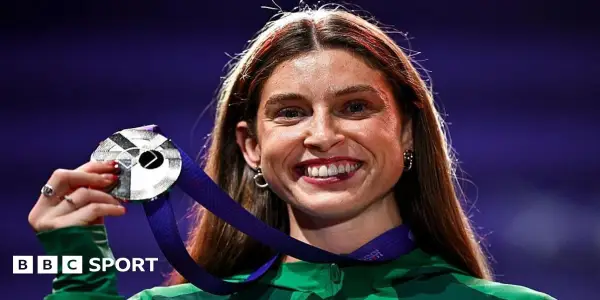
Kate O'Connor Celebrates Remarkable 2025 Success...
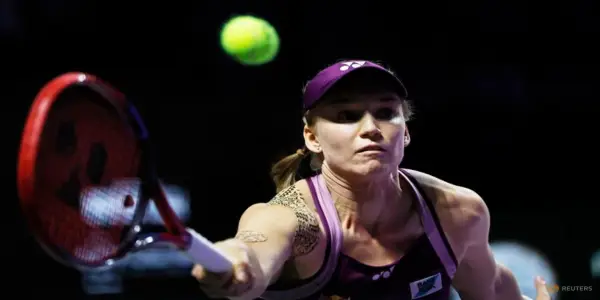
Anisimova Triumphs Over Swiatek at WTA Finals,...
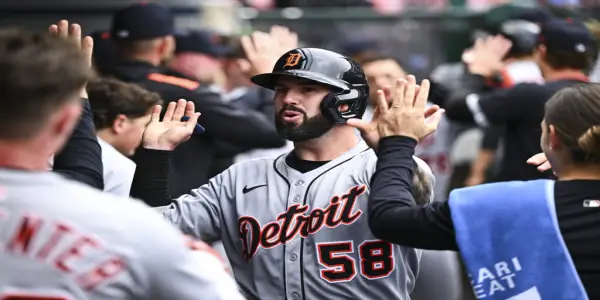
Tomas Nido and Jose De Leon Opt for Free Agency...