Desmond Armstrong: A Trailblazer in American Soccer's World Cup History
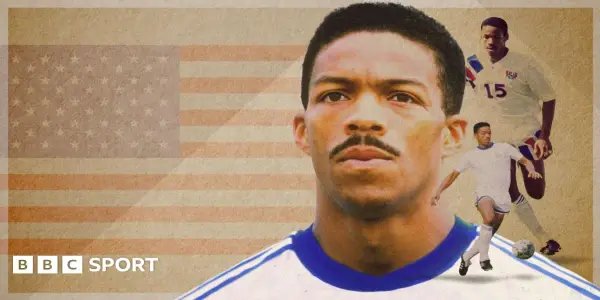
Desmond Armstrong's journey from youth soccer to the World Cup highlights the challenges and triumphs of American soccer in the 1990s.
In-depth analysis
Recent matches
Desmond Armstrong's journey to the World Cup in 1990 was marked by pivotal matches that showcased the U.S. Men's National Team's resilience. Competing against formidable opponents, the team navigated through a challenging qualification process, ultimately earning their place on the global stage, despite limited resources and experience.
Player performance
Armstrong's performance during his career exemplified determination and skill, particularly as he transitioned from indoor leagues to the national team, earning recognition for his agility and tactical awareness on the field.
Team strategy
The U.S. Soccer Federation's strategy focused on assembling a dedicated core of players under full-time contracts, a method that contrasted with traditional approaches. This allowed for a cohesive team dynamic as they prepared for the World Cup, highlighting their commitment to elevating American soccer.
Upcoming events
Looking ahead, the U.S. Men's National Team is set to participate in upcoming international friendlies and qualifiers, aiming to build on their historical achievements and further solidify their presence in the global soccer arena.
Did you know?
Why this game matters
Desmond Armstrong's journey to the World Cup is a testament to resilience in the face of systemic obstacles. His story underscores how American soccer's struggles with inclusivity and access have shaped the sport's development. Armstrong's experience reflects a pivotal moment where personal ambition intersected with the need for broader reforms, highlighting the importance of fostering diverse talent in a historically exclusive landscape.
What you won't see on TV
Despite the glamour of the World Cup, many players relied on unconventional paths. For instance, Armstrong played in the Major Indoor Soccer League, which was crucial for his development during a time when outdoor soccer leagues struggled. This indoor league served as a vital stepping stone for players navigating a fragmented soccer landscape.
On the road to a dream
Marcus, 34, from Chicago, grew up idolizing Desmond Armstrong. Watching Armstrong’s journey to the World Cup ignited Marcus's passion for soccer, but he faced barriers in his own pursuit. Growing up in a low-income neighborhood, he often relied on community programs and a supportive coach who recognized his talent. When Marcus finally received a scholarship to a local soccer academy, he felt a surge of hope. Each training session was a reminder that, like Armstrong, he could overcome obstacles. The day he donned his first national team jersey, he reflected on the sacrifices made and the dreams that fueled him. For Marcus, soccer isn’t just a game; it’s a pathway to possibility.
Expert Commentary
Sonny Gray Trade Talks Heat Up as Cardinals Shift...
WTA Finals 2025 Prize Pool Hits $15.5 Million,...
NFL Week 9 Injury Update: Key Players Return...

Samoa Joe Claims AEW World Championship at Full...
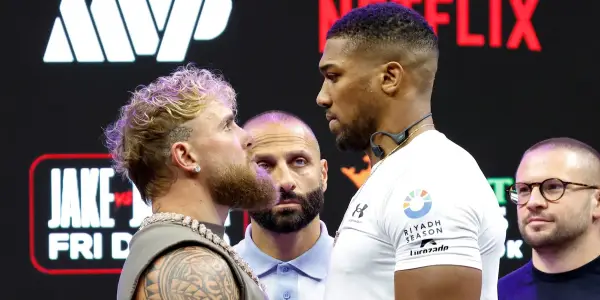
Jake Paul and Anthony Joshua Set for High-Stakes...
Braves Take Early Steps in Offseason Strategy...

MMA Community Remembers Duke Roufus: A Legacy of...
Ben Stokes to Honor His Father with Custom...

All Blacks Set for Grand Slam Challenge: Key...

PGA Tour's Min Woo Lee Declares Commitment,...
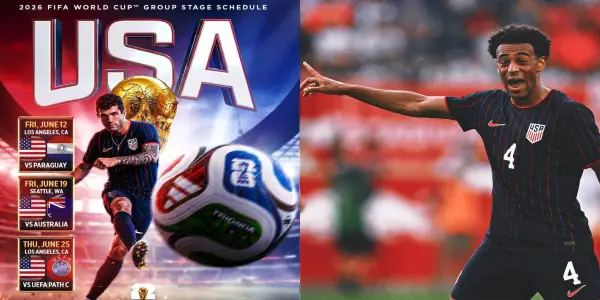
U.S. Men's National Team Eyes World Cup Glory...
Athletics Integrity Chief Warns of Doping...
Carlos Alcaraz Withdraws from Davis Cup Finals...

All Blacks vs Scotland: A Pivotal Moment for...

Faye Webster Celebrates Her Passion for Games at...

Brooke Henderson Aims for Strong Finish at CME...

Elena Rybakina Makes History with WTA Finals...
Bellingham Claims Division 3 Volleyball Title...

UN Calls for Global Truce During 2026 Winter...
Yankees Add Adam Kloffenstein and Payton Henry to...
Potential Trade Destinations for Diamondbacks'...

DP World Tour Adjusts Rules for Sepp Straka Amid...
Fabio Wardley: Aiming to Validate His Heavyweight...

Hopedale Claims First State Title with Victory...

Gordon D'Arcy: Mindset Key to Overcoming...

Scarlets and Benetton End in Stalemate After...
Blue Jays Face Uphill Battle for World Series...
Afghanistan Withdraws from Cricket Series in...
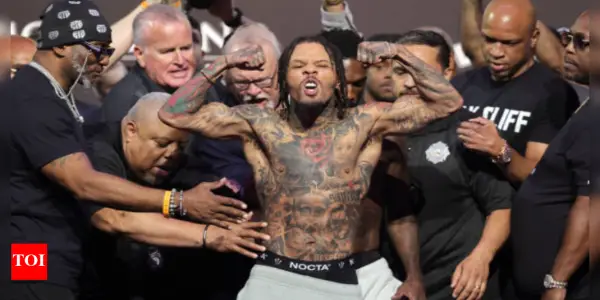
Gervonta Davis: A Rising Star's Next Challenge in...
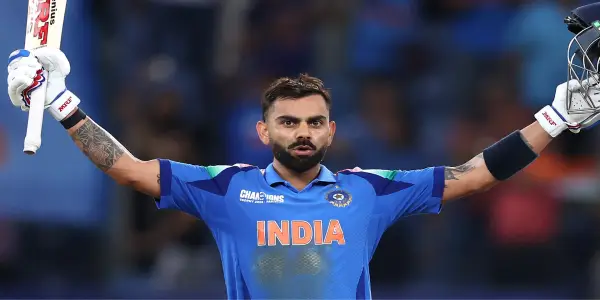
Viewing Options for the 2025 Australia vs India...
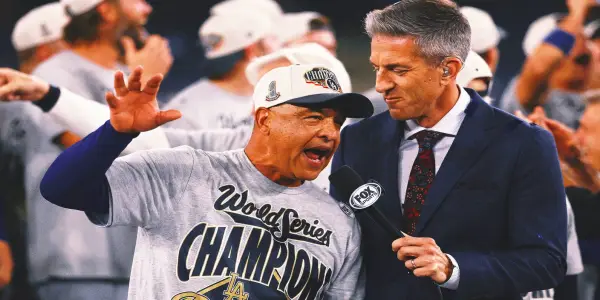
Dodgers' Dave Roberts Celebrated by MLB on FOX...
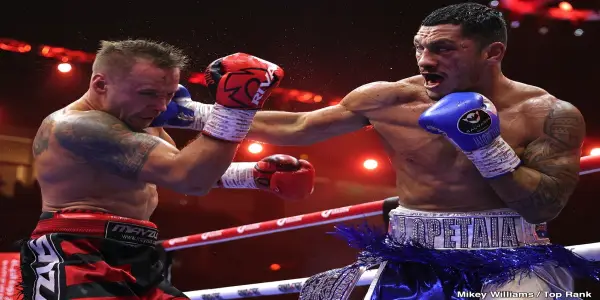
Jai Opetaia Draws Mixed Reactions After Flashy...
Yoervis Medina, Former MLB Pitcher, Dies at 37...
Oscar De La Hoya Rules Out Ryan Garcia vs. Jake...
How to Stream Scotland vs USA: Autumn Nations...
George Ford's Stellar Performance Leads England...
Novak Djokovic Falls to World No. 204 Valentin...
MLB Managers Reflect on Their Core...
Rockies Sign Outfielder Drew Avans to Minor...
New York Knicks Fans Turn to Unconventional...