World Cup Final to Feature Extended Halftime Show for the First Time
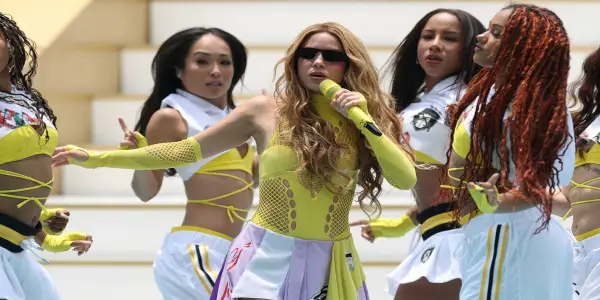
The World Cup final will introduce a Super Bowl-style halftime show, extending the break to 20-30 minutes, marking a historic first for the tournament.
In-depth analysis
Game results
The FIFA World Cup knockout stage has intensified the competition, with teams vying for survival in the tournament. Each match presents high stakes, as nations seek to advance and secure their place in the final rounds, showcasing their skills and determination on the global stage.
Player stats
Key players are stepping up, with standout performances influencing match outcomes. Notable contributions include goals, assists, and defensive plays that have defined the knockout phase, highlighting individual talents amidst the collective effort of their teams.
Team strategies
Teams are adapting their strategies, focusing on a balanced approach between offense and defense. Tactical formations are being emphasized, with coaches analyzing opponents' weaknesses while maximizing their squads' strengths to secure victories in these high-pressure matches.
Upcoming games
Looking ahead, the tournament schedule promises thrilling matchups as teams prepare for the next round. Anticipation builds as fans await crucial clashes that could determine the fate of their favorite nations in the pursuit of World Cup glory.
Did you know?
Why fans shouldn't miss this game
This knockout stage is a turning point for nations, where passion and national pride collide on the pitch. For fans like Maria, a soccer enthusiast from Buenos Aires, each match is a chance to rally with friends, sharing their hopes and fears. The stakes are high, making every goal not just a point on the board, but a moment that resonates deeply within communities, uniting them in shared dreams.
Off the court
The decision to incorporate a halftime show signals a significant cultural shift in sports. Fans are no longer passive spectators; they seek a holistic experience that combines sport with entertainment. This move could redefine how future sporting events are marketed and enjoyed, as organizers look to attract wider audiences beyond traditional fans.
From first love to the NBA
For many, soccer is more than just a game; it’s a rite of passage. Take 28-year-old Javier, who grew up in Mexico City, where street soccer was his first love. Every kick and goal on the neighborhood pitch ignited his dreams of playing professionally. Years later, as he watches the World Cup unfold, he reflects on how those early moments shaped his passion for the game. The tournament represents more than athletic competition; it embodies the dreams of countless individuals who, like Javier, find their identities intertwined with the sport. The evolution of the World Cup, especially with the halftime show, echoes the journey of fans and players alike, showcasing a blend of nostalgia and modernity that connects generations.
Expert Commentary
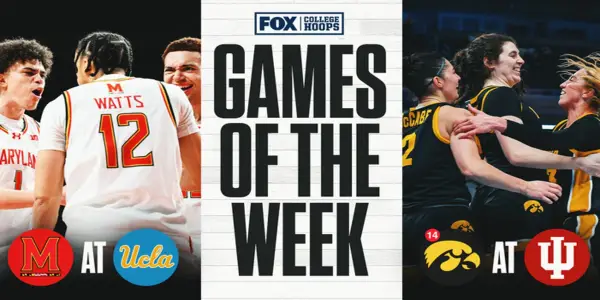
Key College Basketball Matchups This Weekend:...
Men's College Basketball NET Rankings: U-M Drops...
DraftKings Sportsbook Offers Three Months of Free...
Knicks and Spurs Set to Clash in NBA Finals...
Women's College Basketball NET Rankings: USC on...
FanDuel Offers Exciting NBA Cup Promo: Bet $5,...

Napheesa Collier Advocates for Women's Basketball...
Men's College Basketball NET Rankings: Michigan...
Arizona Triumphs Over UConn in Thrilling Top-5...
Historic Night in College Basketball: BYU's AJ...
Nike Faces Revenue Decline Amid Strategic Missteps
College Basketball Highlights: Jaloni Cambridge...
No. 4 Texas Secures Spot in Players Era...
U.S. Senators Seek Clarity from NBA Regarding...
Jrue Holiday's Impact on the Trail Blazers...
Philadelphia 76ers Rookie V.J. Edgecombe Thrives...
DraftKings Sportsbook Offers NBA Fans $200 in...
Victor Wembanyama Seeks Motivation After Chet...
FanDuel Unveils Equinox 2025 Promotions: Bet $5,...
NBA Reassesses Gambling Policies Following...
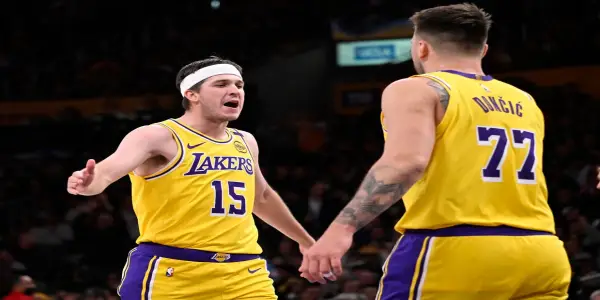
Exploring the Compatibility of Luka Dončić and...
NCAA Investigation Uncovers Game Manipulation by...
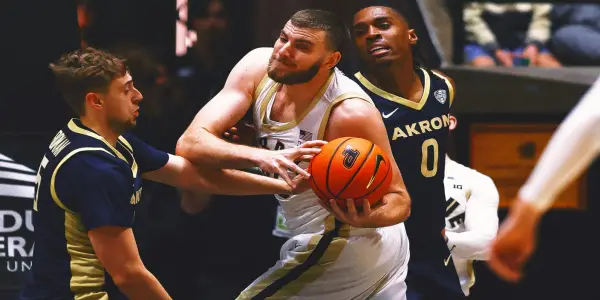
Purdue Reclaims Top Spot in AP Men's College...
FanDuel Offers Black Friday Promo: Bet $5, Get...
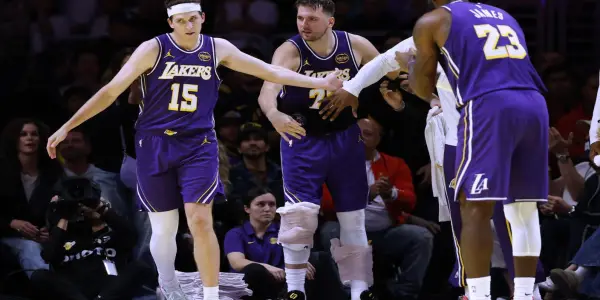
DraftKings Unveils Black Friday Offer: Bet $5,...
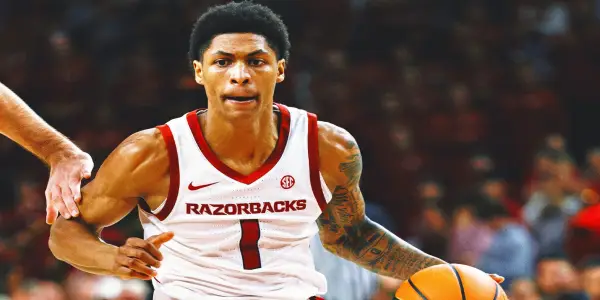
College Basketball Highlights: Arkansas Prevails...
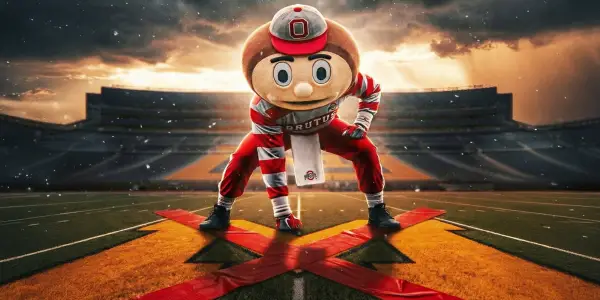
Ohio State Triumphs Over Michigan, Ending Long...
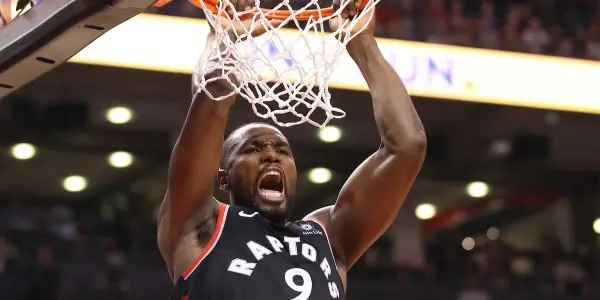
Serge Ibaka Signals Potential NBA Return Amid...
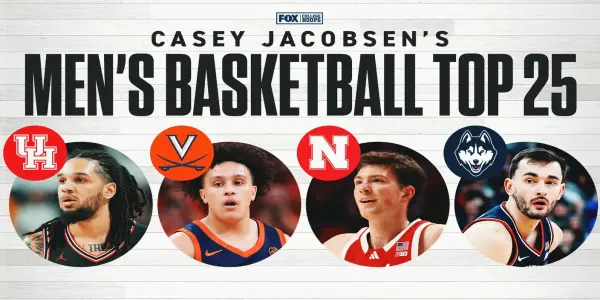
Men's College Basketball Rankings: Arizona...
Top College Basketball Players with High NIL...
Unlock $100 No Sweat Entry with Boom Fantasy...
Shaquille O’Neal's Marital Journey: A Closer Look...

Tragic Loss: College Basketball Player Ethan...
Celtics Edge Past 76ers in NBA Cup Opener,...
Arkansas Razorbacks and Michigan State Spartans...
LeBron James Makes Historic Return as Lakers...
Examining the 2025 Tax Implications for the Top...
Unlock $200 in Bonus Bets with Bet365's NBA Bonus...
UConn and South Carolina Lead 2026 Women’s...