Understanding the NHL's Unique Approach to No-Trade Clauses in Professional Sports
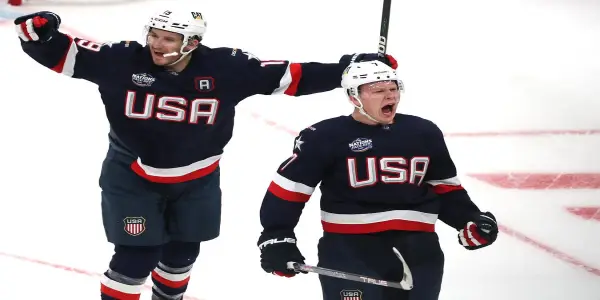
The prevalence of no-trade and no-move clauses in the NHL sets it apart from other North American sports leagues, reflecting unique financial dynamics and cultural values.
In-depth analysis
Game results
The NHL's recent matchups showcased a blend of intense competition and strategic gameplay. Teams demonstrated resilience and adaptability, with several games resulting in close scores. The outcomes not only impacted the standings but also highlighted the importance of player performance and team cohesion in achieving victory.
Player stats
Key players across the league have shown remarkable statistics this season, with several achieving career highs in goals and assists. These individual performances have been crucial in shaping their teams' successes and playoff aspirations.
Team strategies
Teams in the NHL are increasingly leveraging no-trade and no-move clauses as part of their strategic frameworks. This approach allows for stability in roster management, while also fostering long-term relationships between players and franchises, which is pivotal in maintaining competitive edge.
Upcoming games
Looking ahead, the NHL schedule features several critical matchups that could influence playoff positioning. Teams are gearing up for intense rivalries, and fans can expect high-stakes performances as the season progresses.
Did you know?
Why fans shouldn't miss this game
This game isn't just a match; it's a microcosm of the NHL's unique culture. Fans will witness the interplay between loyalty and strategy as players navigate contracts laden with no-trade clauses. This dynamic reflects broader themes of commitment and stability in today's fast-paced world, making it relevant for anyone grappling with their own job security and relationships.
Off the court
The prevalence of no-trade clauses raises deeper questions about player autonomy and the balance of power in sports. While these protections safeguard players, they also create rigidity in team dynamics, reflecting a tension between individual desires and collective goals. Understanding this complexity can enrich fans' appreciation of the game beyond the rink.
From first love to the NBA
Consider Mike Thompson, a lifelong hockey fan who grew up idolizing local players and dreaming of the NHL. Watching his favorite team’s veteran star secure a no-trade clause mirrors Mike's own journey of loyalty in his career. After years of hard work, he earned a role at a tech firm that values employee retention. For Mike, the NHL's emphasis on stability resonates deeply, reflecting his belief in long-term commitments, whether in sports or life. As he watches the game, he sees not just a match, but a reflection of his values—trust, loyalty, and the importance of building lasting relationships in any field.
Expert Commentary
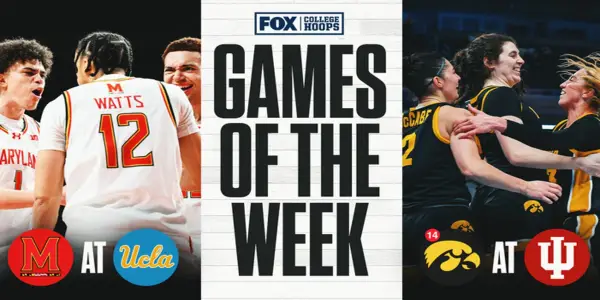
Key College Basketball Matchups This Weekend:...
Underdog Fantasy Offers FOXSPORTS Promo Code: Bet...
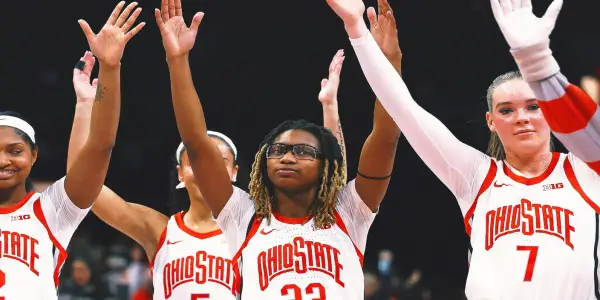
College Basketball Highlights: Jaloni Cambridge...
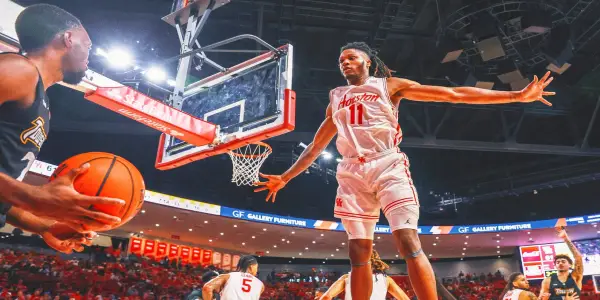
Houston Ascends to No. 1 in AP Top 25, Arizona...
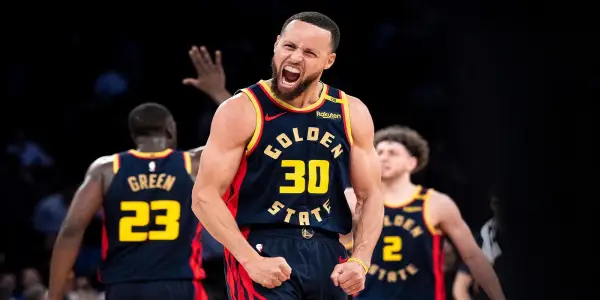
Valuation Surge: NBA Teams Reach Record Highs in...

Limited-Time Offer: PS5 Pro Console Discount...
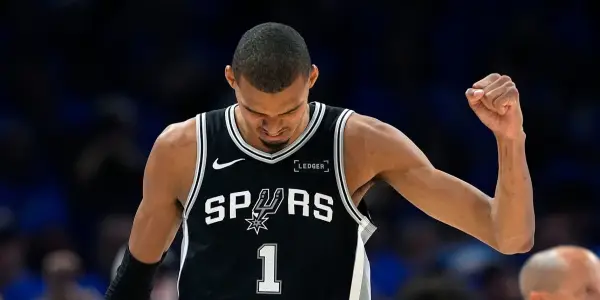
Knicks and Spurs Set to Clash in NBA Finals...
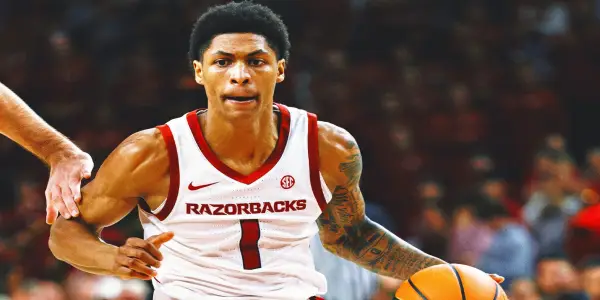
College Basketball Highlights: Arkansas Prevails...
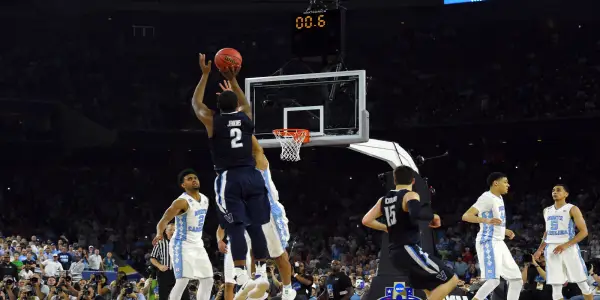
Five Iconic National Championship Buzzer Beaters...
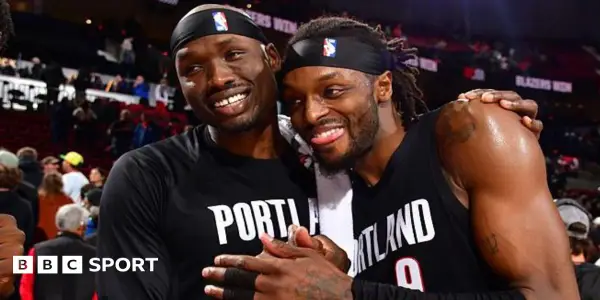
Portland Trail Blazers End Oklahoma City...
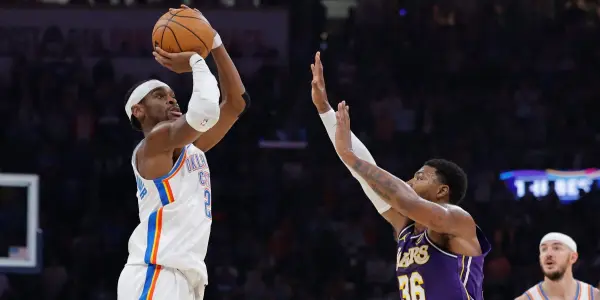
Lakers Suffer Heavy Defeat to Thunder; Curry...
Thrilling Triple-Overtime Showdown Highlights...
A Look at the College Basketball Programs with...
NBA Europe League Attracts Billion-Dollar Bids...
TCU Achieves Historic Dual Triple-Doubles in...
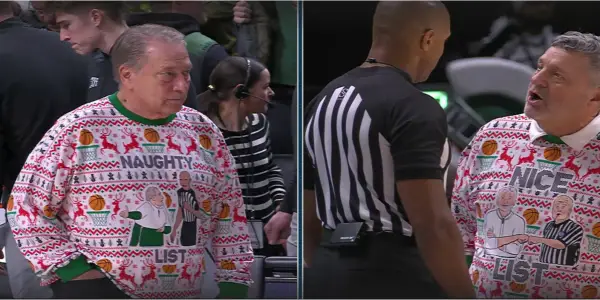
Tom Izzo's Holiday Humor: Referee-Themed Sweater...
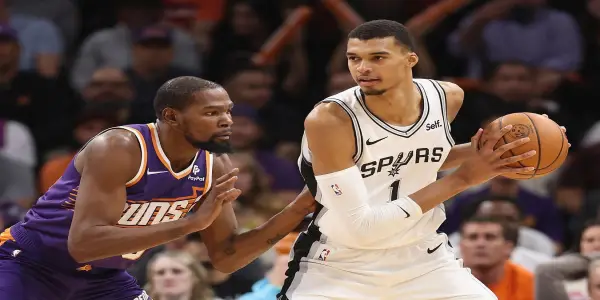
Victor Wembanyama Shines Early in NBA Season,...
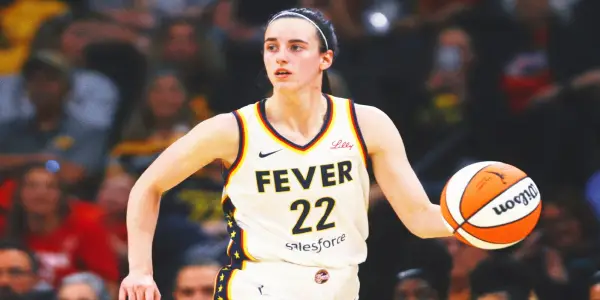
Caitlin Clark, Paige Bueckers, and Angel Reese...
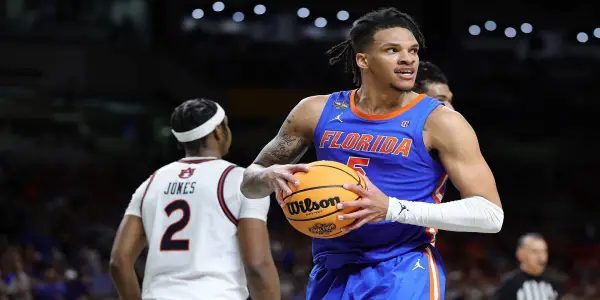
How to Watch NCAA College Basketball 2025/26:...
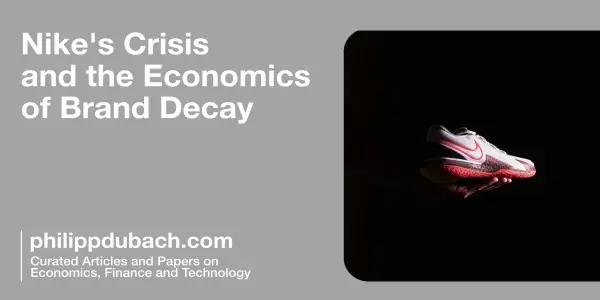
Nike Faces Revenue Decline Amid Strategic Missteps
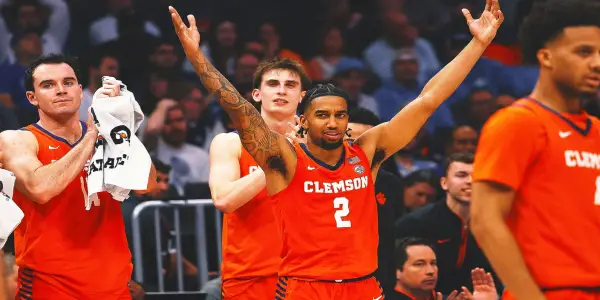
ACC Tournament Thrills: Clemson Upsets UNC, Duke...
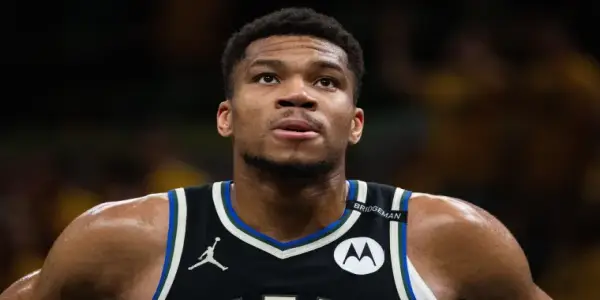
Giannis Antetokounmpo Ponders NCAA Eligibility...

Tragic Loss: College Basketball Player Ethan...
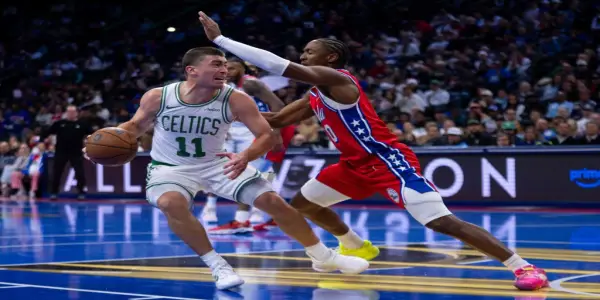
Celtics Edge Past 76ers in NBA Cup Opener,...
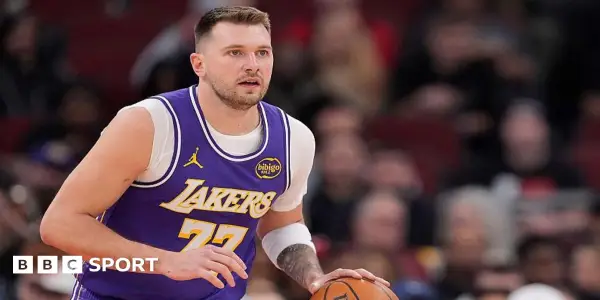
Doncic Shines Again as Lakers Defeat Bulls
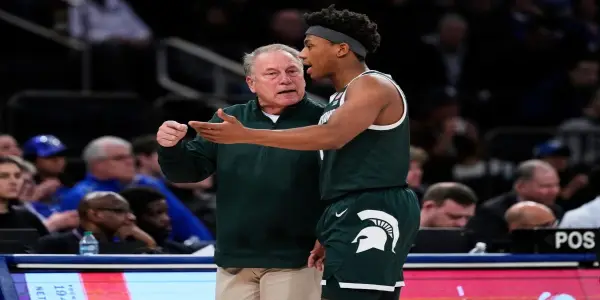
Tom Izzo Guides Michigan State to Landmark...
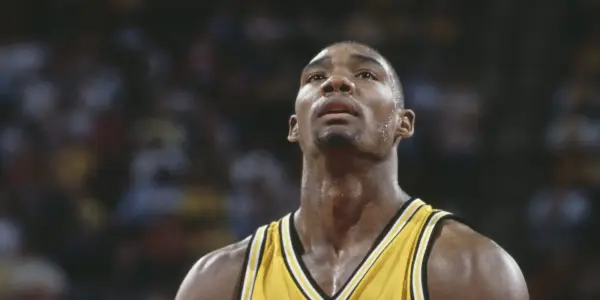
Rodney Rogers Passes Away at 54: Remembering an...
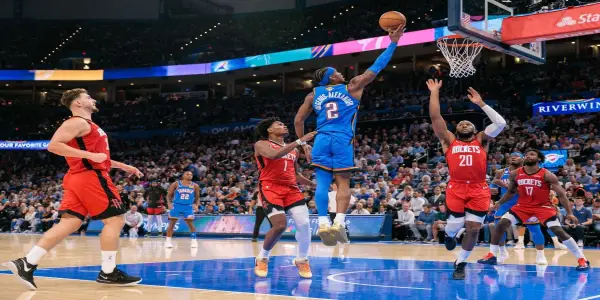
Surge in NBA Viewership Signals Growing Fan...
Assessing the Struggles of High Major College...
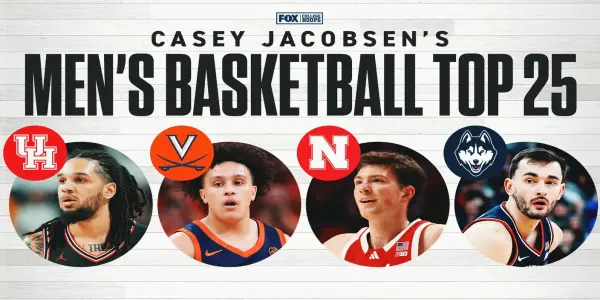
Men's College Basketball Rankings: Arizona...
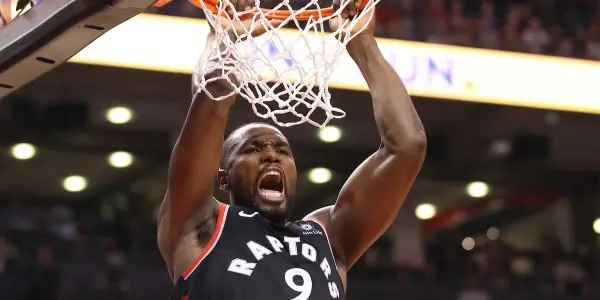
Serge Ibaka Signals Potential NBA Return Amid...
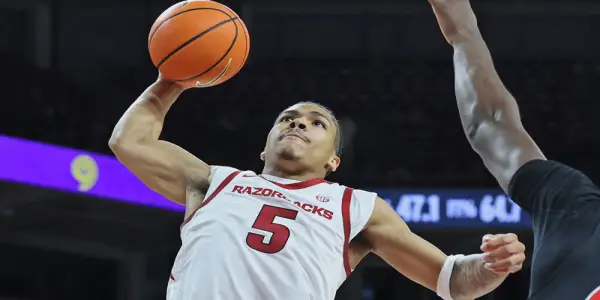
Arkansas Razorbacks and Michigan State Spartans...
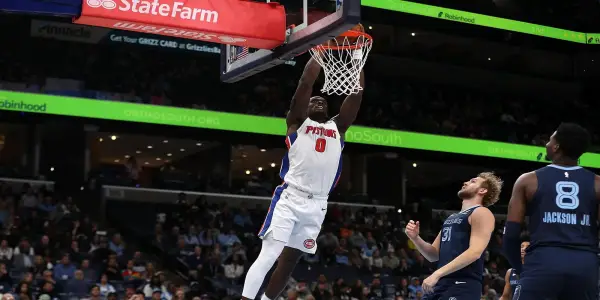
Jalen Duren Emerges as a Front-Runner for a Major...
MLB's Commitment to Integrity Amid Sports Betting...
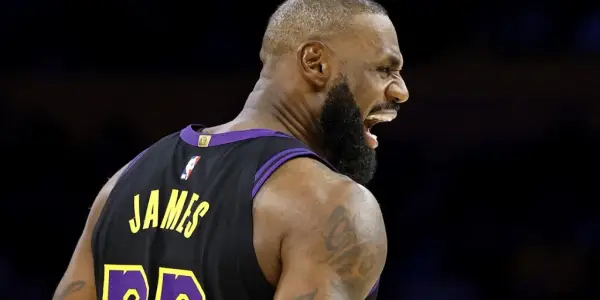
LeBron James Makes Historic Return as Lakers...
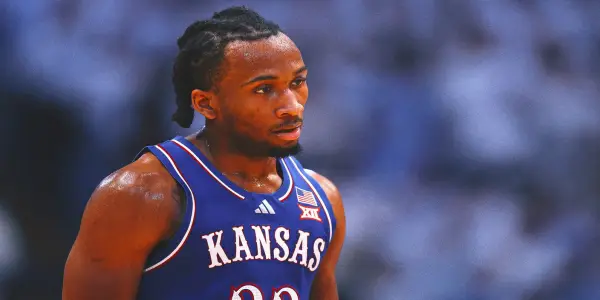
Kansas to Compete in Las Vegas Tournament Without...
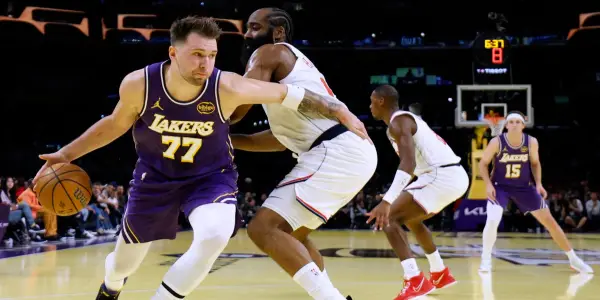
Luka Doncic Shines with 43 Points as Lakers...
Unlock $200 in Bonus Bets with Bet365's NBA Bonus...
U.S. Senators Seek Clarity from NBA Regarding...