FIA Implements Heat Hazard Regulation for Singapore Grand Prix
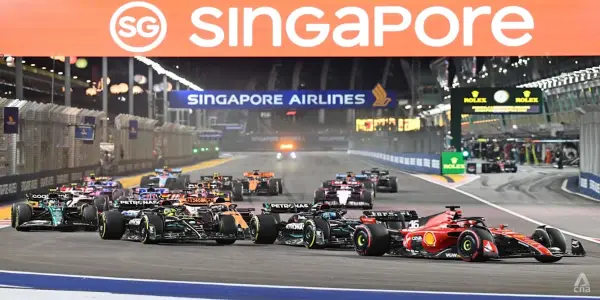
SINGAPORE: The FIA has activated its 'heat hazard' protocol for the Singapore Grand Prix, marking a significant first in Formula 1 history due to expected high temperatures this weekend.
In-depth analysis
Race results
The Singapore Grand Prix showcased the formidable challenges posed by extreme heat, with drivers navigating a grueling course under high humidity levels. The FIA's new heat hazard regulation played a crucial role in race dynamics, influencing strategies and performance outcomes as competitors adapted to the demanding conditions throughout the event.
Driver performance
Drivers exhibited remarkable resilience in the sweltering conditions, with many relying on the newly mandated cooling vests to combat fatigue. Their ability to adapt to the intense environment was critical in maintaining competitive lap times.
Technical updates
The introduction of cooling vests for drivers marks a significant technical shift in Formula 1. These vests, designed to circulate cold liquid, aim to enhance driver safety by reducing the risk of heat-related exhaustion, while the alternative ballast requirement ensures fairness in performance amidst varying strategies.
Next race preview
As teams prepare for the next race, the focus will be on how the heat hazard regulation influences strategies going forward. With mandatory cooling vests on the horizon, teams must adapt their approaches to ensure driver safety and performance.
Did you know?
Why this race will make history
Marcus, 34, from Chicago, recalls watching the Singapore Grand Prix with his late father, who was a racing enthusiast. They would cheer for their favorite drivers, but as temperatures soared, his father often remarked on the toll the heat took on them. This race, with its new heat hazard regulation, feels personal to Marcus—it symbolizes a commitment to driver safety that he wishes his father could have witnessed.
Garage secrets
Surprisingly, the cooling vests mandated by the FIA contain a unique liquid that not only cools but also conducts heat away from the driver’s body more efficiently than traditional methods. This innovation is a game-changer for managing driver fatigue in extreme conditions, illustrating the lengths teams will go to ensure safety and performance.
The mechanic's story
Sofia, 29, a mechanic from Singapore, has spent years working on cars for the Grand Prix. She remembers the 2021 race vividly, where drivers struggled against the oppressive heat. Witnessing Carlos Sainz nearly succumb to exhaustion ignited her passion for driver safety. Now, with the new regulations in place, Sofia feels a sense of pride, knowing her work contributes to the well-being of the athletes she admires. As she preps the cars with cooling vests, she thinks of the young fans who will one day race professionally, inspired by a safer environment.
Expert Commentary

Apple and MLS to Conclude Paid Subscription Model...
Norris Secures Pole Position at Mexican Grand...
Breitling Partners with Aston Martin F1 Team...
Williams Unveils Rebranding for 2026 Formula 1...
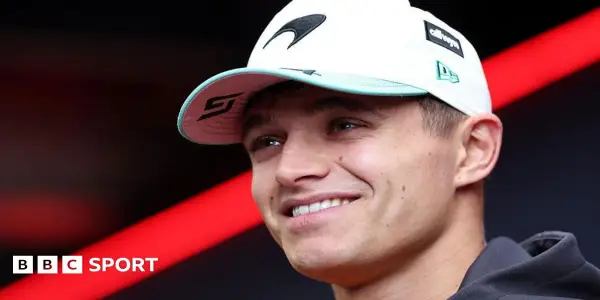
Norris Attributes Championship Lead to Enhanced...
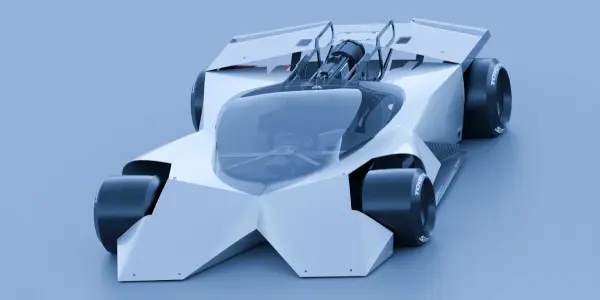
Mantis X99 Concept Vehicle Takes Cues from...
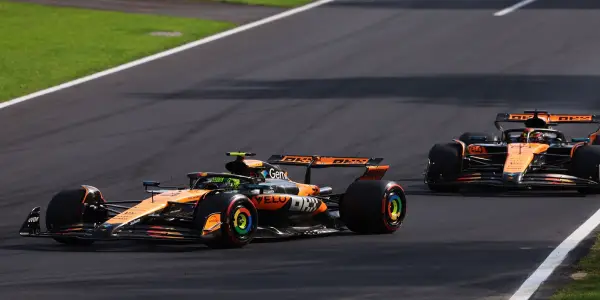
McLaren's 2025 Setbacks Forge a Stronger Team,...
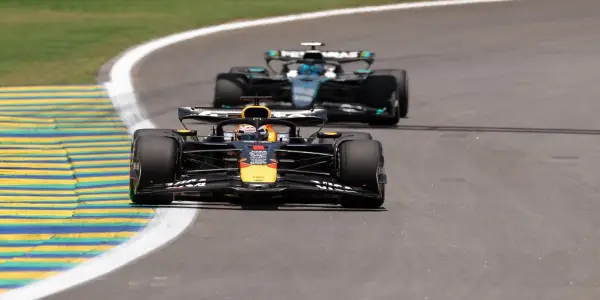
Max Verstappen Faces Challenges in Brazilian...
McLaren Faces Scrutiny for Plank Wear Violations...
Lando Norris Faces Booing from Fans at Mexico GP...
Tsunoda Seeks Clarity from Red Bull Following Las...

Liberty Media's CEO Discusses Future...
Marco Bezzecchi Dominates USA MotoGP, Solidifying...
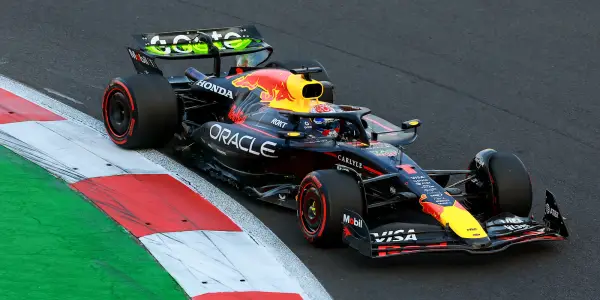
Red Bull to Launch 2026 F1 Season in Detroit,...
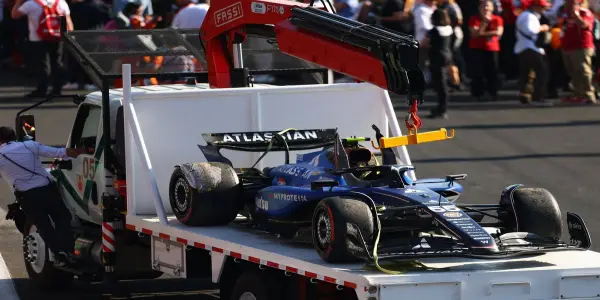
FIA Launches Inquiry into Mexico GP Marshal...
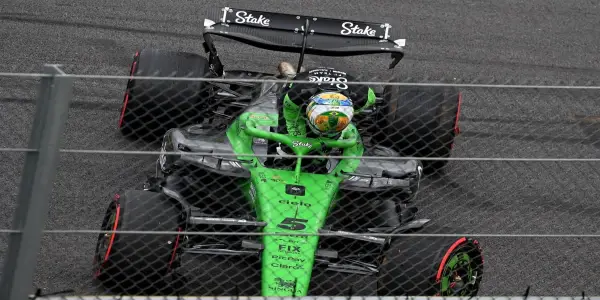
Colapinto Critiques Stroll Following Brazil GP...
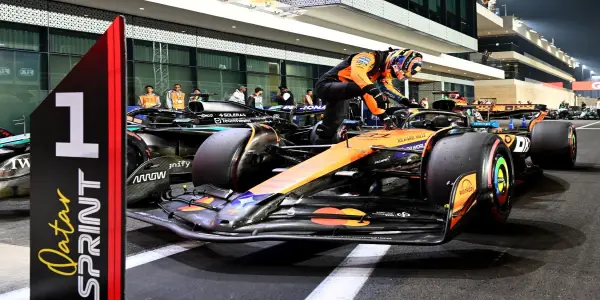
Starting Grid Unveiled for 2025 F1 Qatar Grand...
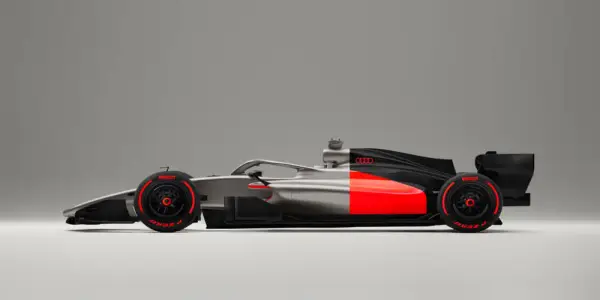
Audi Unveils Ambitious Formula 1 Concept Ahead of...
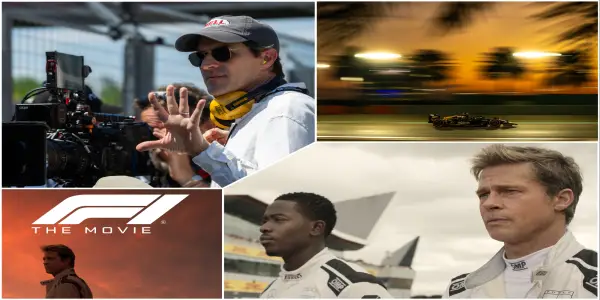
F1®: The Movie Sequel Delayed Amid Regulatory...
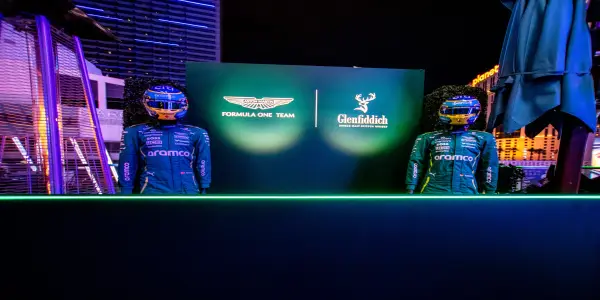
Experiencing Formula 1: The Glenfiddich and Aston...
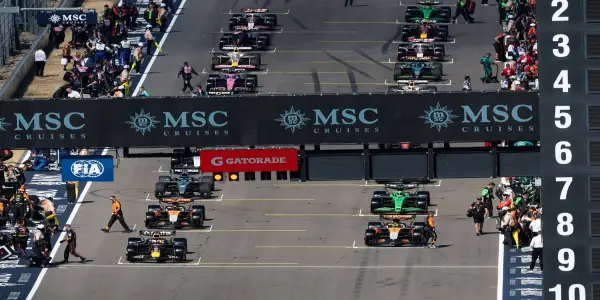
The Crucial Role of Pole Position in the 2025...

Ed Sheeran's Passion for F1 Shapes 'Drive' in...
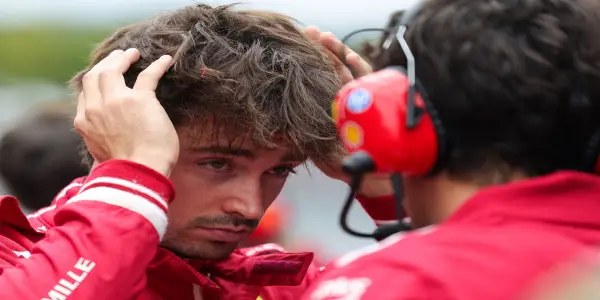
Leclerc Defends Elkann's Comments as Constructive...
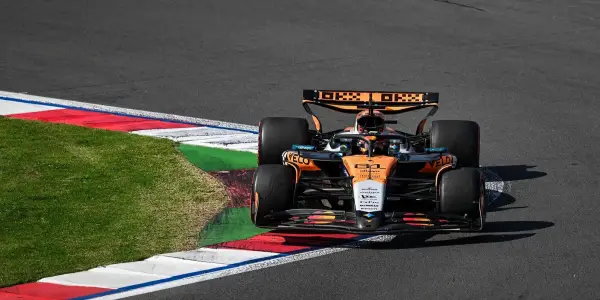
Piastri Adapts to Unique Driving Demands of...

Behind the Scenes of M3GAN 2.0: The Creation of...
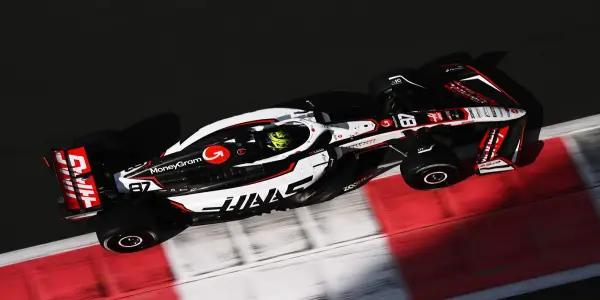
Oliver Bearman's Rookie Season: A Strategic Shift...
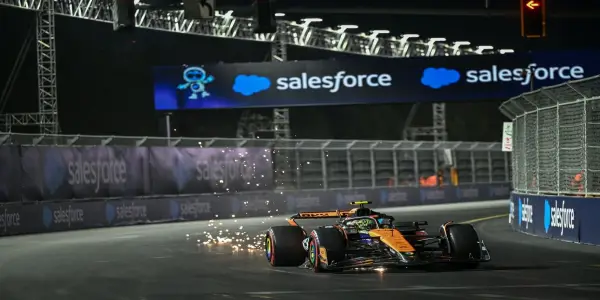
Norris Anticipates Challenges for McLaren at F1...
Lewis Hamilton Tops Final Day of F1 2026...
Prospects for Malaysian Grand Prix Return to F1...
Isack Hadjar Details Cause of His Crash During...

Nine Injured in Car Incident at Demolition Derby...

2026 INDYCAR Odds: Alex Palou and Kyle Kirkwood...
Charles Leclerc Secures Multi-Year Contract...
Pinnacle Motorsport Claims Surprising Victory at...
IMAX Unveils Trailer for Groundbreaking F1...
F1 Brazil Grand Prix: Sprint Race and Qualifying...
F1 Qatar Grand Prix: Start Time, Viewing Options,...
George Russell Leads Final Practice Ahead of Las...