Hamilton Achieves New Top Speed Record at Monza
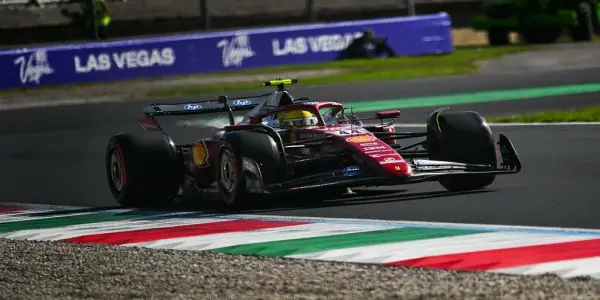
In his debut race for Ferrari at Monza, Lewis Hamilton defied a five-place grid penalty to set a new speed record, showcasing his skills and the performance of his team.
In-depth analysis
Race results
At the Italian Grand Prix in Monza, Lewis Hamilton finished sixth after starting from a five-place grid penalty. Despite the setback, he demonstrated remarkable skill and resilience throughout the race, executing impressive overtakes and challenging his former teammate George Russell, who secured fourth place with effective tire management.
Driver performance
Hamilton's performance was characterized by aggressive overtaking maneuvers and strategic racing, showcasing his ability to recover from a grid penalty. His sixth-place finish reflects both his skill and the challenges he faced during the race.
Technical updates
Ferrari's decision to implement a low-downforce aerodynamic configuration proved pivotal for Hamilton's performance, enabling him to achieve a record top speed of 362 km/h. Adjustments to the rear wing reduced drag, optimizing the car's speed on the straights and enhancing overall race performance.
Next race preview
Looking ahead, the next race presents an opportunity for teams to analyze the implications of speed records and aerodynamic strategies. As drivers prepare for the upcoming challenges, the competition is expected to intensify, particularly among those vying for top speeds.
Did you know?
Why this race will make history
At 29, Sofia from Milan had always dreamed of witnessing a record-breaking moment in Formula 1. Growing up watching her father cheer for Hamilton, she felt a deep connection to the sport. As Hamilton sped past the stands at Monza, Sofia's heart raced, knowing she was part of history—her father's legacy living on in her excitement.
Garage secrets
Did you know that the aerodynamic configuration used at Monza can significantly reduce drag by up to 15%? This allows drivers like Lewis Hamilton to achieve unprecedented speeds on the straights, making it a critical strategy for teams competing at the iconic Italian Grand Prix.
The mechanic's story
Marco, a 42-year-old mechanic from Bologna, watched with bated breath as Hamilton tore through Monza. Having spent years fine-tuning cars, he felt a personal connection to the driver’s record-setting speed. In his garage, he often reminisced about the late nights spent perfecting engines, hoping one day to see his work reflected in a champion’s victory. When Hamilton reached 362 km/h, Marco felt a surge of pride, knowing that every tweak and adjustment in the pit contributed to that moment. For him, it wasn’t just a record; it was a testament to the teamwork and dedication behind the scenes.
Expert Commentary
Alpine Faces Challenges as Competitors Continue...
Miami Grand Prix Enforces Strict Camera...
Adrian Newey Appointed as Team Principal of Aston...
Red Bull Faces Challenges Ahead of Mexico GP:...
Tsunoda Seeks Clarity from Red Bull Following Las...
Williams Unveils Rebranding for 2026 Formula 1...
Formula 1 Considers Mandatory Two-Pit Stop...
FIA Launches Inquiry into Mexico GP Marshal...
Breitling Partners with Aston Martin F1 Team...
F1 Qatar Grand Prix: Start Time, Viewing Options,...
Norris Anticipates Challenges for McLaren at F1...
Hadjar's Barcelona Testing Incident: Distinct...
The Dual Nature of Formula 1: Insights from the...

Max Verstappen Faces Challenges in Brazilian...
IMAX Unveils Trailer for Groundbreaking F1...
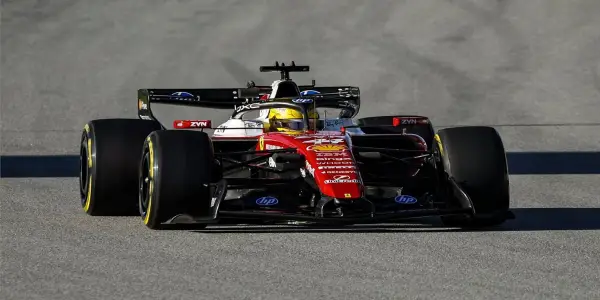
Lewis Hamilton Tops Final Day of F1 2026...

Behind the Scenes of M3GAN 2.0: The Creation of...
Understanding McLaren's Papaya Rules Ahead of...

Amazon Offers Lego F1 Collectible Race Cars at a...

Apple and MLS to Conclude Paid Subscription Model...
McLaren's 2025 Setbacks Forge a Stronger Team,...
Key Insights from Audi's 2026 Formula 1 Entry...
Yuki Tsunoda Surprised by Collision with Lance...

Dallas Cowboys and INDYCAR Unite for the Grand...
Norris Attributes Championship Lead to Enhanced...
Piastri Adapts to Unique Driving Demands of...
2026 INDYCAR Odds: Alex Palou and Kyle Kirkwood...
F1 Academy Driver Alba Hurup Larsen Embraces...
Audi Unveils Ambitious Formula 1 Concept Ahead of...
Marc Marquez Triumphs in Rain-Soaked MotoGP...
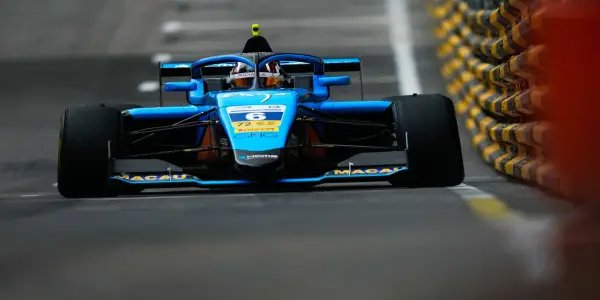
Pinnacle Motorsport Claims Surprising Victory at...
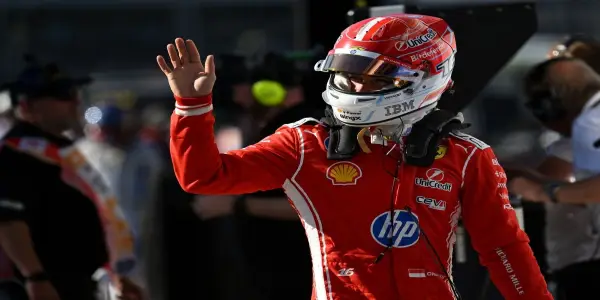
Charles Leclerc Secures Multi-Year Contract...
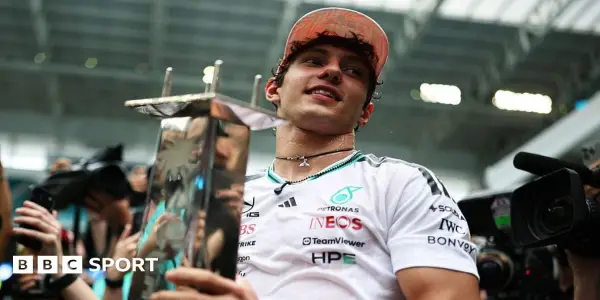
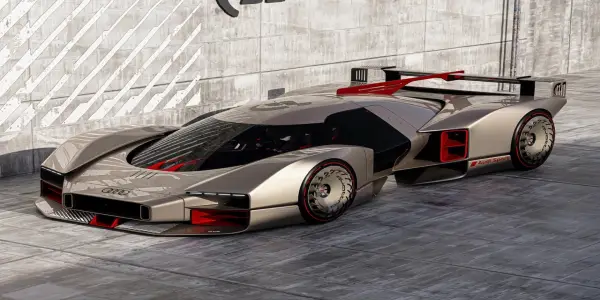
Audi's Vision Quattro: A Bold Leap into Electric...
Leclerc Defends Elkann's Comments as Constructive...
Dramatic Title Fight Highlights F1 2025 Season
Norris Overcomes Early Setbacks to Position...
Max Verstappen's Brazil GP: A Puncture and the...