Disney's Legal Action Against Character.AI Represents a Significant Moment for Artists Amidst AI Concerns
Disney's recent cease-and-desist letter to Character.AI underscores the ongoing debate surrounding intellectual property rights in the age of artificial intelligence.
In-depth analysis
Exhibitions and events
Disney's recent legal action against Character.AI marks a significant moment in the intersection of technology and intellectual property. The cease-and-desist letter highlights ongoing challenges in the digital landscape, where AI-generated content raises questions about ownership and artistic integrity. This event underscores the need for dialogue surrounding the implications of AI in creative industries.
Artist highlights
The dispute emphasizes the importance of protecting artistic integrity, particularly for creators whose works are being replicated or monetized without consent. Disney's proactive stance reinforces the necessity for artists to safeguard their intellectual property in an increasingly complex digital environment.
Audience reception
The audience's reaction to Disney's actions has been mixed, with some supporting the protection of intellectual property while others criticize the implications for creative freedom. The debate reflects broader concerns about how AI technologies may impact both fan engagement and artistic expression in the digital age.
Future trends
This incident may signal a shift in how intellectual property rights are enforced in the era of AI. As legal precedents are established, the dynamics between tech companies and content creators could evolve, shaping future interactions and collaborations in creative fields.
Did you know?
Why you should see this
Disney's legal action against Character.AI isn't just a corporate battle; it impacts how we interact with beloved characters in our daily lives. As AI-generated content becomes more prevalent, understanding the implications of intellectual property rights is vital. This case raises questions about ownership and creativity that affect artists, fans, and tech innovators alike, shaping the future of storytelling.
Secrets of art
Interestingly, Disney's enforcement of its intellectual property rights isn't new; in the 1980s, the company famously took legal action against a small business for using a character inspired by Mickey Mouse on a storefront. This history shows Disney's long-standing commitment to protecting its brand, highlighting the complexities of creative ownership throughout the years.
The artist's hand
Marcus, 34, from Chicago, grew up with Disney movies that shaped his childhood. He recalls watching 'Frozen' with his niece, laughing at Elsa's antics. When he learned about Disney's legal fight with Character.AI, it struck a personal chord. For Marcus, it's not just about trademarks; it's about preserving the magic of characters that have inspired generations. As an amateur writer, he worries that the rise of AI might overshadow the heartfelt stories created by real people. This incident reinforces his belief in protecting creative integrity.
Expert Commentary

The Resilient Journey of Art Satirist Jerry...
Northgard's Definitive Edition Set to Launch with...
New Alliance Formed to Revitalize Independent...
Philips Hue Play Wall Washer Review: An Elevated...
Ripley's Acquires $12 Million Golden Toilet at...
Apple's Strategic Shift: A New Era of iPhone...
Real-Life Inspirations Behind Iconic Horror Movie...
Junya Watanabe's Spring/Summer 2026 Collection...
Faye in 'Deliver Me from Nowhere' Represents...
The Art and History of Whip Cracking

Illusionary Artistry: The Enigmatic Works of...

Studio PROBA Unveils Monumental Stone Sculptures...
Submissions Open for CURRENTS 2026: Santa Fe's...
A Review of the Standout Humor in The Simpsons'...

Hacker Architects Unveils Innovative Senior...

10 Effective Exercises Using a Medicine Ball

A Fusion of Eras: Contemporary Art Installation...
Transforming Muddy Colours: A Guide for Artists
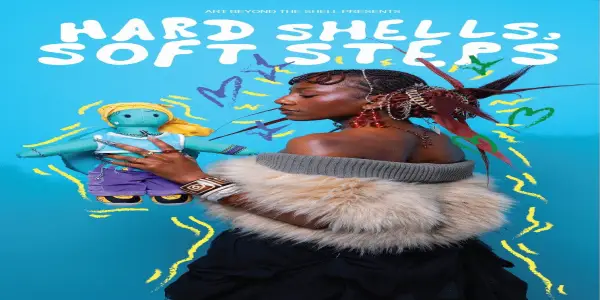
Art Beyond the Shell: An International Collective...
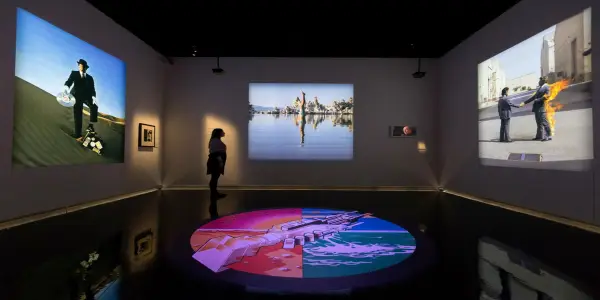
Pink Floyd's 'Wish You Were Here' Celebrates 50th...
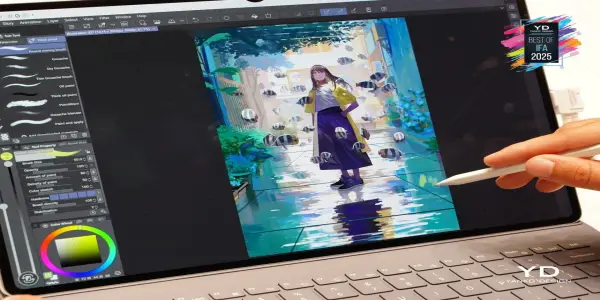
Top 5 Tablets for Designers: A Desktop...

Exploring Electrical Sex: A Deep Dive into...
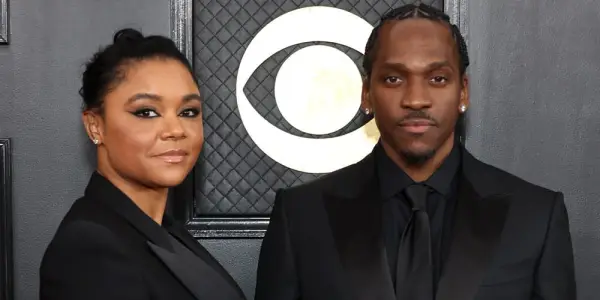
Pusha T and Virginia Williams Announce...
MrBeast Voices Concerns Over the Rise of...

Top 10 Innovative Audio Designs Transforming...
Kelly Wearstler Launches Innovative AI-Driven Art...
Exploring Nature's Artistry: Highlights from the...
Actress from 'Terrifier' Files Lawsuit Against...
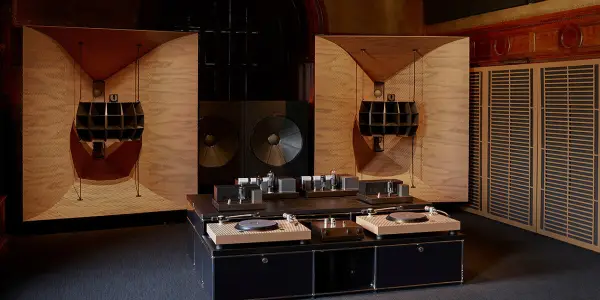
Devon Turnbull's Hi-Fi Pursuit Listening Room...
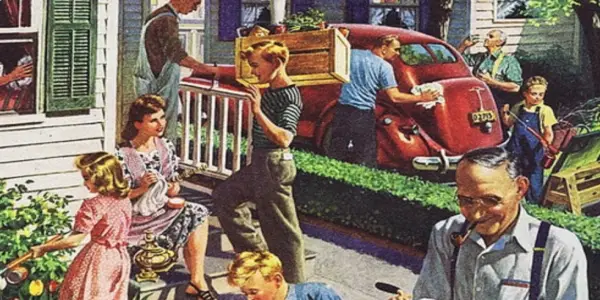
Essential Home Maintenance Checklist: Your Guide...
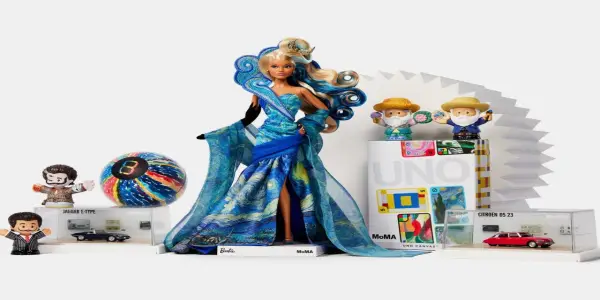
MoMA and Mattel Collaborate to Blend High Art...
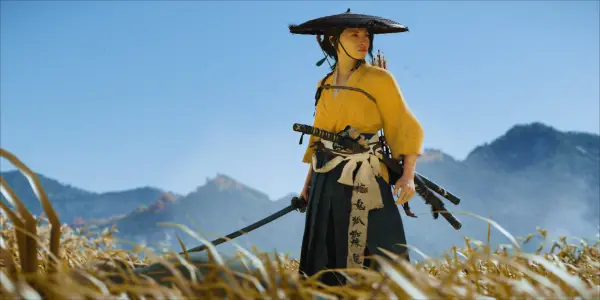
Exploring Ghost of Yōtei: An Interview with Erika...

Honor MagicBook Art 14 2025 Review: A Return to...
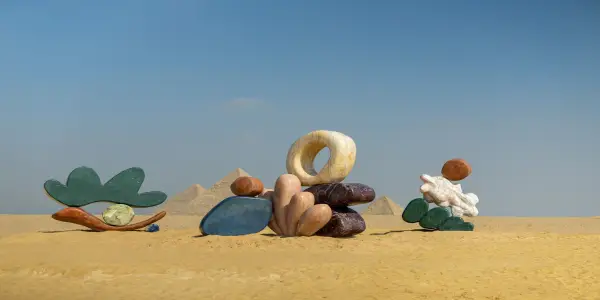
New Monumental Sculptures Unveiled at Giza...
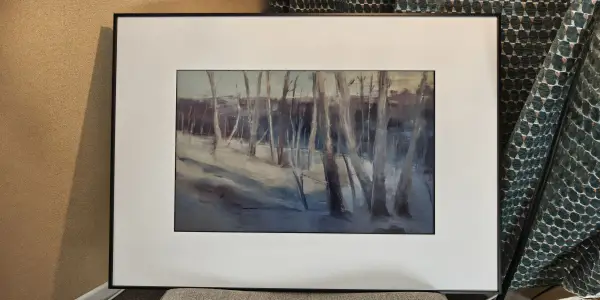
Revolutionizing Digital Art: The InkPoster Breaks...

Lidl Unveils Unique Advent Calendar for Men,...
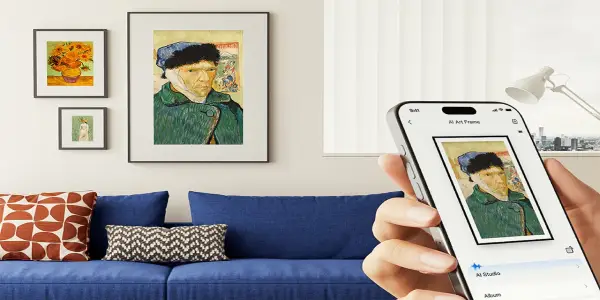
Switch Bot Launches Compact Self-Emptying Robot...
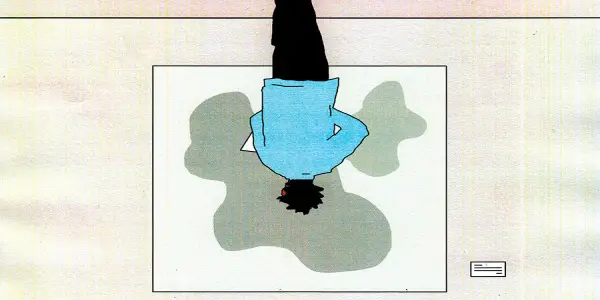
The Evolving Landscape of Art Criticism

Exploring Bogotá's Rich Design Landscape
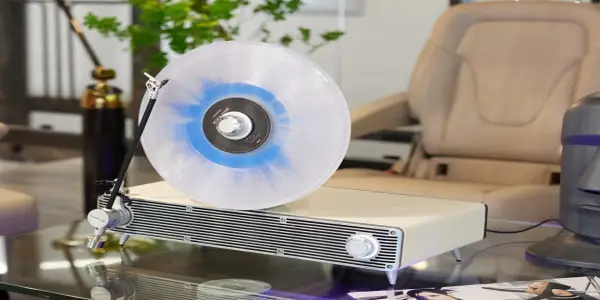
Innovative Vertical Turntable Transforms Vinyl...