The Evolving Intersection of UFC and Political Nationalism

The UFC's ties to political nationalism deepen as fighters embrace MAGA rhetoric, reflecting a shift in cultural dynamics and audience engagement.
In-depth analysis
Recent matches
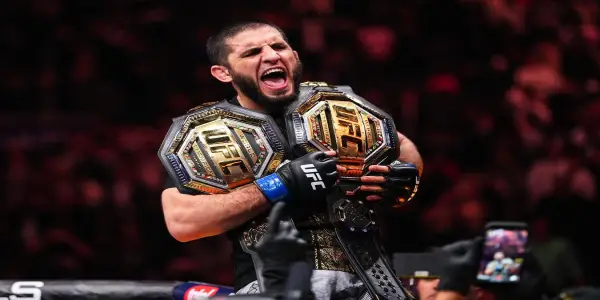
The UFC's recent events have showcased a blend of athleticism and political undertones, with fighters increasingly vocal about their stances. Notable matches have drawn attention not just for the fighting skills displayed, but also for the athletes' engagement in broader cultural dialogues, reflecting a shift in the sport's narrative.
Player performance
Fighters like Conor McGregor have demonstrated exceptional skill inside the octagon while simultaneously leveraging their platforms for political expression. This duality enhances their public personas, making them influential figures in both sports and societal discussions.
Team strategy
The UFC's strategic approach has evolved to embrace the intersection of sports and politics, encouraging fighters to express their views openly. This tactic not only broadens the appeal of the organization but also aligns with the sentiments of a youthful demographic seeking narratives of strength and identity.
Upcoming events
Looking ahead, the UFC plans to host several high-profile matches that are expected to further intertwine athletic competition with political discourse. These events will likely attract significant attention from both sports fans and political observers.
Did you know?
Why this game matters
The intersection of sports and politics, as seen in the evolving role of the UFC, reflects broader societal shifts. The White House's traditional celebration of Irish heritage now coexists with the rise of nationalist sentiments in sports. This evolution not only alters how cultural narratives are shaped but also influences the younger generation's perception of identity and pride—highlighting how athletes can become powerful voices in political discourse.
What you won't see on TV
While many focus on the fighters’ physical prowess, the UFC's early days were marred by controversy and skepticism. Initially, the organization lacked a weight class system, leading to mismatches that contributed to its reputation as a brutal spectacle. This chaos was pivotal in shaping the regulatory environment that now governs the sport.
On the road to a dream
Marcus, 34, from Chicago, grew up idolizing UFC fighters, dreaming of one day stepping into the octagon himself. His passion ignited during a middle school class when he first watched a UFC match. Inspired by fighters who spoke about national pride, he began training in Brazilian Jiu-Jitsu. As he honed his skills, he felt a personal connection to the sport’s history and its roots in Brazilian culture. The day he was accepted into a local fight promotion felt like a victory not just for him, but for every kid from his neighborhood dreaming of breaking barriers. Now, he uses his platform to advocate for youth programs, believing that the discipline learned in the ring can empower the next generation.
Expert Commentary
Three Key Free Agents the Phillies Should Target...

Jake Paul and Anthony Joshua Set for High-Stakes...
Elena Rybakina Makes History with WTA Finals...
NFL Trade Deadline Sees Jets Restructure for...

Anime Films Reach a Pivotal Moment in Theatrical...
Ben Shelton's ATP Finals Journey Ends with Three...
How to Stream the India vs New Zealand 2026 ODI...
Anticipation Grows for Raducanu and Osaka...
Nikola Jokic Makes NBA History with Back-to-Back...
Mets Eye Tarik Skubal as Tigers Consider Trade...
All Blacks Set for Grand Slam Challenge: Key...
Ohtani's Historic Home Runs Highlight Top 10...

Saracens Claim Top Spot in PWR as Aoife Wafer...
Roger Federer Set for Induction into...
How to Watch UCI World Tour 2026 Live Streams: A...

Samoa Joe Claims AEW World Championship at Full...
Olympic Champion Erin Jackson Raises Awareness...
Kate O'Connor Celebrates Remarkable 2025 Success...
Aryna Sabalenka and Nick Kyrgios Set for...
Jake Paul's Netflix Exhibition Faces Uncertainty...
Apple Valley Shocks East Ridge in Class 4A...

Jason Day Showcases Avoda Curved Face Irons at...
The New Superpower: Adaptability in the Age of AI
WTA Finals 2025 Prize Pool Hits $15.5 Million,...
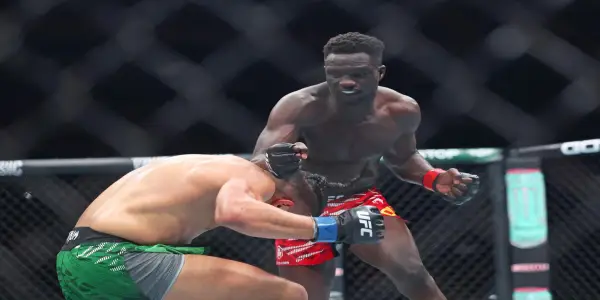
UFC Fight Night Preview: Steve Garcia vs. David...
Conor Murray Critiques Controversial Red Card in...
Diamondbacks Designate Christian Montes De Oca...

Joel Klatt Advocates for Elevated Standards for...

San Diego Padres Part Ways with Wes Benjamin
Team USA's Aspirants for the 2026 Milano-Cortina...
Dodgers Sign Cole Irvin to Minor League Contract...
Former Blue Jays Pitcher Erik Swanson Announces...
Live Streaming Guide for the 2026 French Open...
UFC 322: Dominant Performances Highlight Event at...
Braves Take Early Steps in Offseason Strategy...
Elvis Smylie Triumphs Over Jon Rahm in LIV Golf...
Bellingham Claims Division 3 Volleyball Title...

Faye Webster Celebrates Her Passion for Games at...