Q’orianka Kilcher Files Lawsuit Against James Cameron and Disney Over Likeness Rights in 'Avatar'
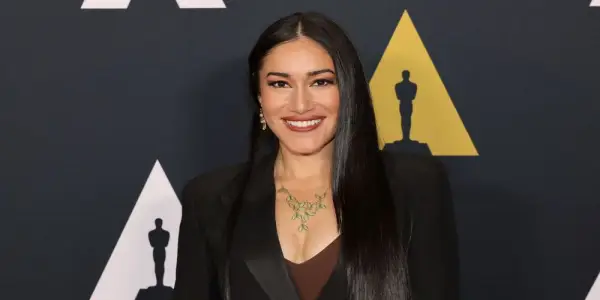
Actress Q’orianka Kilcher has sued James Cameron and Disney for allegedly using her likeness in 'Avatar' without consent, raising significant legal implications.
In-depth analysis
Latest releases
Q’orianka Kilcher has filed a lawsuit against James Cameron and The Walt Disney Company, claiming unauthorized use of her likeness for the character Neytiri in the 'Avatar' franchise. This legal action, initiated in California, highlights allegations of copyright infringement and seeks damages for the extensive use of her features without consent.
Celebrity updates
Q’orianka Kilcher, recognized for her role in 'The New World,' has taken legal steps against prominent figures in the film industry, asserting her likeness was used without permission in a major franchise.
Audience impact
The lawsuit filed by Kilcher raises significant concerns among audiences regarding consent and the ethical use of likeness in film. This case may influence public perception of how studios handle personal imagery, potentially altering viewer trust in the industry.
Upcoming projects
As the legal battle unfolds, the implications of the lawsuit may affect Kilcher's future collaborations and projects, prompting a reevaluation of likeness agreements in Hollywood and beyond.
Did you know?
Why this is becoming a trend
The rise of digital technologies in filmmaking is blurring the lines of artistic inspiration and intellectual property. As studios increasingly rely on advanced visual effects and digital likenesses, concerns about consent and ownership are surfacing. This lawsuit reflects a larger movement among artists advocating for better protections of their identities, ensuring that creativity does not come at the expense of personal rights.
Behind-the-scenes secret
A little-known aspect of the 'Avatar' production is that Cameron's team utilized a technology called 'performance capture,' which allows actors’ movements and expressions to be digitally replicated. This method, while groundbreaking, raises ethical questions about how closely likenesses can be modeled without explicit consent, as highlighted in Kilcher's lawsuit.
The star's unknown story
Before her role in 'Avatar' became a point of contention, Q’orianka Kilcher's journey as an actress was marked by her deep connection to her Indigenous heritage. Growing up in a multi-ethnic household, Kilcher was raised in a community that celebrated diverse cultural narratives. This background fueled her passion for authentic representation in media. When she learned that her likeness was used for Neytiri, it felt like a personal betrayal, as she had long championed Indigenous voices in film. Her emotional response was not just about the legal implications, but also about the cultural significance of representation, making her fight resonate deeply with many who share similar experiences.
Expert Commentary
Marion Cotillard's Memorable Exit as Celine...

Megan Thee Stallion Takes the Stand Against...

‘The Simpsons’ Officially Confirms the Death of...
Miss Universe Contestants Stage Walkout Following...

MTV Cancels Long-Running Series 'Ridiculousness'...

Ending Explained: Does Idris Elba's President...
Joan Branson, Wife of Billionaire Richard...
Veteran French Actor Tchéky Karyo Passes Away at...
WWE Announces Latest Round of Talent Releases,...
Millie Bobby Brown Alleges Harassment and...
Joe Hendry's Absence Confirmed Ahead of WWE RAW...
Jennifer Aniston Officially Introduces Hypnotist...

WWE Raw Recap (November 24): Key Moments Ahead of...
Tom Cruise Receives Honorary Oscar, Celebrates...
Will Smith Embarks on Antarctic Expedition with...

Reality Stars Behind The Mask: The Croissants...

Lucas Museum of Narrative Art Announces 2026...
King Charles to Deliver Christmas Message from...
Eddie Murphy Reflects on Missed Film...

Oscar Wins for 'Sinners': A Historic Achievement
James Van Der Beek Sells 'Dawson's Creek'...
Drake Appeals Dismissal of Defamation Case Linked...

Jennifer Lawrence Opens Up About 'Die My Love'...
Keith Urban, 58, Sparks Romance Rumors with...
New Book Explores Controversial Panorama...
Broadway's 'Moulin Rouge! The Musical' to...
Sasha Farber Comments on Ex-Wife Emma Slater's...
Celebrity Stars Shine at Baby2Baby Gala, Raising...

Luna's Desperate Escape Unfolds in Bold &...
New Statue of Bridget Jones Unveiled in London,...
Mon Rovîa's 'Bloodline': A Deep Exploration of...

Warner Bros. Announces Release Date for 'Hello...
Jennifer Lawrence Reflects on Past Interviews,...
Cardi B Welcomes Baby Boy with NFL Star Stefon...

Lily Allen's Halloween Costume Takes Aim at David...
Netflix's 'The Beast in Me' Features Claire Danes...

Whitney Leavitt to Rejoin 'The Secret Lives of...
Rapper Max B Released from Prison After 16 Years
Another Actor Files Sexual Assault Lawsuit...
Investigation Into Celeste Rivas' Death Expands...