Nuremberg Film Sparks Debate Over Psychiatric Representation
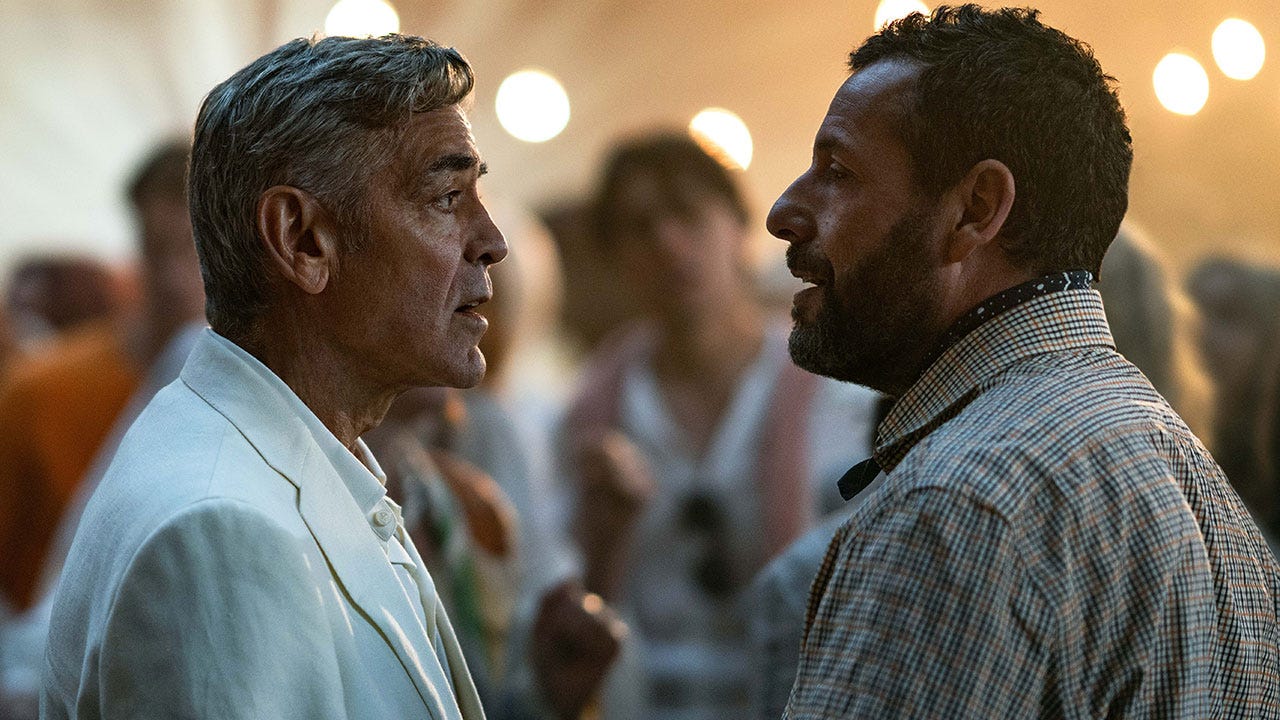
The film 'Nuremberg' starring Rami Malek reignites debates on psychiatric portrayals, highlighting contrasting legacies of psychiatrists Douglas Kelley and L...
In-depth analysis
Latest releases
The film 'Nuremberg' has sparked renewed debate over the historical accuracy of its portrayal of key figures from the iconic trials. Starring Rami Malek as Douglas Kelley, the film has overshadowed Leon Goldensohn's significant contributions, particularly his extensive interviews with Nazi defendants, which provide critical insights into the psychological profiles of war criminals.
Celebrity updates
Rami Malek's performance in 'Nuremberg' has drawn attention, but the film's focus on his character has overshadowed the vital contributions of Leon Goldensohn, whose work remains crucial to understanding the trials.
Audience impact
The release of 'Nuremberg' has prompted discussions regarding the representation of historical narratives, with viewers expressing concern that the film's emphasis on Kelley may limit public awareness of Goldensohn's extensive and insightful contributions to the trials.
Upcoming projects
As the conversation around the Nuremberg Trials evolves, there may be opportunities for future projects that highlight lesser-known figures like Leon Goldensohn, ensuring a more balanced portrayal of historical events.
Did you know?
Why this is becoming a trend
The trend of focusing on certain historical figures while sidelining others in cinematic portrayals stems from a combination of star power and narrative simplicity. Filmmakers often prioritize characters who can drive dramatic tension, resulting in a skewed representation of history. This creates an opportunity for lesser-known yet vital voices to be overlooked, sparking debates about authenticity and the complexities of historical memory.
Behind-the-scenes secret
Despite being overshadowed, Leon Goldensohn’s extensive interviews allowed him to build rapport with Nazi defendants, leading to candid reflections on their actions. His ability to foster trust came from his calm demeanor and professional integrity, which some defendants preferred over other psychiatrists.
The star's unknown story
Leon Goldensohn, known for his compassionate approach, faced a unique challenge as a Jewish psychiatrist working with Nazi war criminals. During one session, Hermann Goering expressed a surprising level of openness, stating, 'I feel freer to talk to you than to some other psychologists.' This rapport allowed Goldensohn to gain unprecedented insights into the minds of the defendants. His son, Dan, recalls how their family struggled to keep Leon's work relevant, often feeling that Hollywood's focus on more prominent figures like Douglas Kelley undermined his father's significant contributions. The Goldensohn legacy is not just about the trials; it reflects the broader struggle for recognition of those who navigate complex moral landscapes.

Rihanna Makes a Stunning Return to the Red Carpet...

Netflix's Latest Release Sparks Debate with Tense...
Sean 'Diddy' Combs Navigates Early Days in...

Jennifer Lawrence Reflects on Past Interviews,...
Unresolved Mysteries in the 'Stranger Things'...
Broadway's 'Moulin Rouge! The Musical' to...

Aimee Lou Wood Critiques Sydney Sweeney's...

Sydney Sweeney Faces Mixed Reactions Over Sheer...
Duffer Brothers Share Insights Ahead of 'Stranger...

Jennifer Lawrence Opens Up About 'Die My Love'...
Paris Jackson's Legal Claims Spark Family...
Joan Branson, Wife of Billionaire Richard...
James Van Der Beek Sells 'Dawson's Creek'...

Tragic Loss: Young Actress Dies at 23 from Rare...
Oscar Wins for 'Sinners': A Historic Achievement
Another Actor Files Sexual Assault Lawsuit...

WWE Raw Recap (November 24): Key Moments Ahead of...
New Statue of Bridget Jones Unveiled in London,...


Billy Bob Thornton Returns in Season 2 of...
Texas Man Indicted for Murder of Voice Actor...

Comic-Con 2025: A visual showcase of panels, fan...

Action Comics No. 1, Once Stolen from Nicolas...

MTV Cancels Long-Running Series 'Ridiculousness'...
Warner Music Group Forms Partnership with AI Firm...
David Szalay's 'Flesh' Wins 2025 Booker Prize

Allison Mack Opens Up About Her NXIVM Experience...

Harry and Meghan's Attendance at Jenner...
Netflix's 'The Beast in Me' Features Claire Danes...
King Charles to Deliver Christmas Message from...
Sam Elliott Joins Taylor Sheridan's 'Landman' for...

Will Smith Embarks on Antarctic Expedition with...

Jennifer Aniston Officially Introduces Hypnotist...

Luna's Desperate Escape Unfolds in Bold &...
WWE Announces Latest Round of Talent Releases,...
Broadway's 'The Lost Boys' Musical: A Captivating...

Millie Bobby Brown Alleges Harassment and...

Whitney Leavitt to Rejoin 'The Secret Lives of...

Vince Gilligan and Rhea Seehorn Discuss...

Warner Bros. Announces Release Date for 'Hello...